
18 Jun 2026
Housing in Northern Ireland: A beginner’s guide
Finding a good, affordable place to live is one of the most important parts of life. But understanding how it all works can feel overwhelming if you’re not used to it (and sometimes even if you are!). If you’re trying to navigate the housing system, you might hear a lot of different terms used by politicians and the media.
This guide breaks down the current state of housing in Northern Ireland. We’ll look at property prices, options for renting and what the government is doing to fix current housing issues.
What is the state of house prices in Northern Ireland?
The cost of buying a house has risen steadily across the region. According to the Ulster University quarterly house price index, the average price of a house in Northern Ireland reached £224,607 in early 2026. This means house prices went up by 5.2 per cent compared with the same period in 2025.
While house prices in Northern Ireland are still generally lower than in Great Britain, buying a home remains a big financial stretch. Even with recent strong wage growth, property prices have historically risen faster than earnings. This long-term gap makes it more difficult for first-time buyers to save a deposit. High mortgage interest rates have also added to the monthly costs of owning a home.
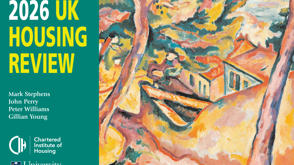
For a more detailed breakdown of these market figures, you can explore our UK Housing Review.
Challenges facing private renters
The UK Housing Review also shows that the proportion of income spent on rent in Northern Ireland jumped by nearly eight per cent over a 12-year period. By comparison, rental costs relative to income across the rest of the UK stayed almost completely flat. This shows just how quickly local housing costs are outpacing what people actually earn.
Since 2022, politicians have debated introducing rent control to cap how much landlords can charge. However, our independent research undertaken for the government shows that capping rents can have unintended consequences. The data shows that strict rent controls actually reduce the total number of homes available in an already tight market.
Tenants also face other hurdles. A study by the UK Collaborative Centre for Housing Evidence found that private tenants face barriers when trying to have a say in how their homes are managed.
This is largely because most local landlords own one or two properties, making formal regulation more complex. Also, tenants tend to move frequently, getting new accommodation after relatively short periods to meet their changing household needs.
Understanding social housing in Northern Ireland
When people can’t afford to buy a home or rent privately, or they want a long-term rental, they often look to social housing. This refers to homes that are owned and managed by the government or non-profit organisations.
In Northern Ireland, these properties are looked after by the Northern Ireland Housing Executive (NIHE) and 18 different housing associations. There is one social housing waiting list to access all these properties, and people apply to join it by contacting NIHE.
Rents for these homes are kept low to ensure they stay affordable for people on lower incomes. However, demand is currently much higher than the actual supply available. The social housing waiting list stands at around 50,000 households as of March 2026, and out of those families around 33,000 are legally homeless.
Because of this supply shortfall, many applicants wait years before a suitable property becomes available.
What is affordable housing?
You might also hear the term affordable housing used. This is a broader category that includes social housing but also has other options that sit between traditional social housing and buying or renting a home on the open market.
Affordable housing includes Co-Ownership Housing which is designed to help people buy a home who otherwise couldn’t afford it. This involves buying a share of a house and renting the remaining portion, until you can buy it in full.
If you are looking for properties that fit this model, you can filter for co-ownership eligible homes on the NI property portal PropertyPal. PropertyPal lists homes for both sale and rent across the region.
Affordable housing also includes a new option called intermediate rent, with rents set at a discount of at least 20 per cent below private rents. The government is funding an initial 300 homes to be delivered by Maple and May, the first of which are expected to be delivered in 2026.
These options are important for keeping Northern Ireland housing accessible to young professionals and working families. New, larger developments of private housing must now include a portion of affordable housing. CIH and Co-Ownership are working with the government to help make this process smooth, a partnership we explore in detail in our blog on mixed-tenure housing.
Looking ahead: The future of Northern Ireland housing
The coming years will bring changes to how homes are built, managed and allocated across the region.
The government has a long-term goal to build 100,000 new homes, a third of which will be social housing. But tight budgets, rising construction costs and an ageing sewage network mean that meeting the immediate demand for housing in general remains a major challenge.
For those on the social housing waiting list, the way homes are offered to applicants is being updated by April 2027. The traditional points system is being rolled into a simpler ‘banding’ model to help manage the highest cases of housing need more fairly. New digital portals are also rolling out to help people manage their applications online.
Finally, private renters can expect stronger protections and higher living standards from 2026 and onwards. The government is working on new rules to give tenants longer notice periods if a landlord decides to end a tenancy, a change informed by CIH research, especially for those who have lived in a property for several years. New energy efficiency targets are also being introduced by 2027 to ensure that rented homes are warmer, safer and more affordable to heat.
Take the next step
To understand the statistics, funding gaps and policies shaping our local communities, read the full independent analysis. Download the latest UK Housing Review executive summary today to get the definitive overview of housing policy across Northern Ireland and the rest of the UK.
If you want the full analysis, data and charts behind these findings, download the UK Housing Review 2026 for free today and explore the chapter on help with housing costs. It is essential reading for anyone working to make renting genuinely affordable.