


All-Ireland Housing Awards 2026
Read all the shortlisted entries into this award category, excellence in housing innovation, at the All-Ireland Housing Awards (AIHA) 2026 and find out who won the award on the night.
This award is aimed at programmes or projects which can clearly demonstrate how they have developed an innovative approach which has made a real difference to the lives of tenants and customers.
This award was sponsored by Co-Ownership.
Winning project name
From hospital to home: The Article 15 Pathway
Winning organisation
Apex Housing Association
Partner organisation
Western Health & Social Care Trust
Statement of support
The Article 15 Pathway is an innovative housing solution developed by Apex Housing Association (Apex) in partnership with the Western Health and Social Care Trust (WHSCT). It was created to address a critical challenge: supporting individuals with severe and complex mental health needs who have spent years in hospital because they could not maintain a tenancy. These individuals often faced repeated admissions lasting two to four years, with no clear route back to independent living. The pathway offers a new approach - one that combines creativity, collaboration and compassion to give people a real chance at having a home.
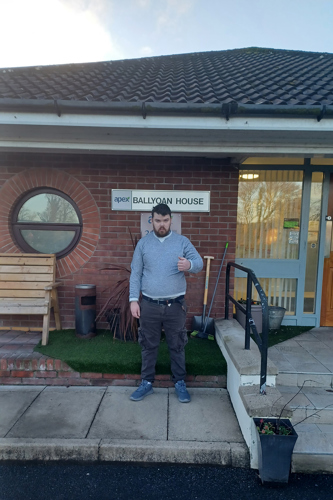
An innovative approach
The pathway is based on Article 15 of the Mental Health (Northern Ireland) Order 1986, which allows for “leave of absence” from hospital for “detained individuals”. Apex and WHSCT used this provision in a new way: as a structured, monitored transition from hospital to supported living. Instead of abrupt discharge, individuals move gradually into their own tenancy over a negotiated period - typically eight to 12 weeks - while receiving tailored support. This approach challenges traditional processes and demonstrates how innovation can transform lives.
Partnership and personalisation
The success of the pathway lies in strong partnership working. Apex collaborated with WHSCT teams, hospital staff, regulators and funders to ensure safety, compliance, and long-term sustainability.
Each person’s individual plan was shaped by professionals who knew them best, alongside input from the individuals themselves. This holistic assessment considered the individual’s human rights, personal goals, and community integration. By focusing on what matters most to each person – including security, independence, and belonging - the pathway delivers outcomes that go far beyond simply housing.
Improving lives and communities
The impact has been profound. People who had spent years in institutional settings now live in supported living schemes, among peers, with access to local amenities. They are learning new skills, rebuilding confidence, and becoming valued members of their communities.
One tenant shared: “I liked the help I got through Article 15 to get me out of hospital. I look forward to Christmas in Ballyoan and hope to get my own place in the future.” Another said: “Article 15 was positive. It helped me get out of hospital, I like my own room in Dunvale and enjoy going to the local gym. I feel well.” These voices show the real difference this pathway makes - turning isolation into opportunity and giving people something priceless: a home of their own.
Value for money and wider benefits
The pathway also delivers significant system-wide benefits. It reduces delayed discharges and long-term hospital stays, cutting costs for health services. It lowers the risk of re-admission through early intervention and ongoing wraparound support. Apex staff completed a bespoke training programme delivered by hospital, forensic and community teams, resulting in a highly skilled workforce that benefits all tenants. Voids in supported living schemes have been reduced, improving efficiency and sustainability. In short, this model offers exceptional value for money while improving outcomes for individuals and communities.
Proven success
The results speak for themselves: every person who accessed the pathway has successfully maintained their tenancy. Following the pilot’s success, Apex has now embedded Article 15 into its admissions criteria, ensuring this innovative approach continues to offer hope and opportunity for those with the most complex mental health needs.
The Article 15 Pathway is more than a process - it is a lifeline. It shows what can be achieved when organisations work together, think differently, and put people at the heart of housing solutions.
Outcomes and achievements
- Innovation in practice: Used Article 15 legislation creatively to successfully enable safe, supported transitions from hospital to tenancy, challenging traditional discharge processes.
- Improved lives: 100 per cent success rate - every participant has maintained their tenancy. Individuals report feeling well, enjoying independence, and reconnecting with community life.
- Customer satisfaction: Tenants describe the pathway as “life-changing”, highlighting improved wellbeing and opportunities for personal growth.
- Wider outcomes: Reduced delayed discharges and hospital stays, lowering costs for health services. Early intervention and tailored support has reduced risk of readmission.
- Value for money: Significant savings through reduced hospital costs and voids in supported living accommodation. Apex’s long-term voids (units vacant for more than two years) in its mental health accommodation have been reduced by 42 per cent due to the Article 15 Pathway. Bespoke staff training enhances service quality for all tenants.
- Sustainability: Pathway now embedded in Apex’s admissions criteria, ensuring long-term impact and continued opportunities for those with complex mental health needs.
The Article 15 Pathway demonstrates how innovation, partnership, and person-centred planning can transform lives, strengthen communities and deliver lasting value for the most marginalised in society.
Shortlisted entries
Radius Housing - Intensive Support Worker Pilot (Radius/Extern)
Application entry
- Project name: Intensive Support Worker Pilot (Radius/Extern)
- Lead organisation: Radius Housing
- Partner organisation: Extern
Statement of support
Radius recognise the increasing support needs of tenants. We also recognise that statutory and voluntary services that support our tenants are at breaking point. We know that when those who need support receive it they are more likely to sustain their tenancy.
At the start of tenancies, most tenants settle in well and go onto successfully sustain tenancies. However, we are increasingly dealing with a minority of tenants who have histories of behavioural issues, active addictions and mental health issues as well as histories of offences and find it challenging to sustain tenancies. Their range of support needs and traumatic histories can manifest in chaotic behaviours which may cause problems within communities, often making tenancy sustainment difficult and repeat homelessness inevitable. In many instances, these cases have had a series of previous failed tenancies and multiple temporary accommodation placements also.
When such a tenant persistently presents with problems, this can have serious detrimental effects on other residents within communities. Radius has built a network of partners such as PSNI, Council, Health, and other support providers and can rely upon our established working relationships to effectively resolve the problems and help stabilise the community. However, where the interventions fail, the individuals may re-enter the revolving door of homelessness.
To help address this Radius are currently operating a collaborative pilot with Extern which is testing whether a more intensive housing management and support service can enable these clients to successfully sustain tenancies and integrate better within their communities.
This project is for up to 12 tenants in both general needs and Independent Living schemes.
The intended benefits of this project are:
- Tenants with high or complex support needs are offered an intensive housing management and support service incorporating a risk assessment and management action plan that delivers client specific and timely interventions creating a greater chance of permanently resolving their homelessness.
- Develop a tailored ‘wrap around person centred’ support service
- Reducing the barriers in accessing and retaining support from external agencies
- Responding more effectively to crises
- Reducing the likelihood and impact of risk not only to the person themselves but also to others living in the same scheme/location
- Specialist, professional and experienced staff with the skills knowledge and training to respond and address the issues presenting more effectively
- Greater access to a range of support options and services for the tenant using Extern’s established network of services
- Local communities will benefit from greater stability and the provision of support for residents with complex support needs
- The Housing Executive will benefit through repeat homelessness being prevented and progress in delivering the ambitions of the Homelessness Strategy and Strategic Action Plan for Temporary Accommodation
- Health and Social Care Trust – evidence suggests that health interventions are more effective when individuals are in secure and stable housing
- Justice related depts. (PSNI, PBNI etc.)– evidence suggests a reduction in reoffending and easier offender management when people are in stable housing.
A full time support officer from Extern provides intensive housing management and support to tenants and develops ‘person centred’ support plans which are reviewed to measure the success of the outcomes achieved against objectives. Our aim is that staff could develop pathways into existing health and other services to benefit to clients. Support plans identify how to maintain support to the individuals beyond the life of the project. Staff can put measures in place with the tenants through external agencies and partners which could continue beyond the project funding period.
The pilot commenced in December 2024 and current stats are:
- 11 active referrals
- 15 closed cases
- Seven waiting list (one to be made active)
Outcomes and achievements
One case which is now closed, the initial referral was made based on declining mental health, addiction etc. With Extern’s support that tenant has engaged positively, is currently receiving relevant support and has secured part time employment.
One active case is a tenant who was about to be served a Notice for her tenancy. Since her engagement with the support worker, there have been no reports of tenancy breach, she has engaged positively on mental health and addiction support and Extern are currently supporting her with this alongside the news that the tenant is now expecting.
One of our housing officers provided this feedback regarding a successful intervention: ‘The tenant was referred for hoarding and additional support needs for mental health and motivation. She engaged very well and enjoyed the sessions that she had with her.
We have seen excellent improvement in the condition of the tenant’s home, mental health and motivation levels. Before Alex’s help it was cluttered and the tenant could not use the shower or the bedroom. Alex has provided the tenant with tools to help her continue her journey of healing and to help her enjoy her home and the scheme in which she lives.’
Northern Ireland Housing Executive - Extensive Improvement Works to 330 A-F Lisnafin Park, Strabane
Application entry
- Project name: Extensive Improvement Works to 330 A-F Lisnafin Park, Strabane
- Lead organisation: Northern Ireland Housing Executive
- Partner organisation: McCusker Contracts
Statement of support
The Northern Ireland Housing Executive has recently completed an extensive multi-element improvement scheme to a block of six flats in Lisnafin Park, Strabane, constructed in 1971. Block has been shuttered since 2011 and had fallen into a poor condition becoming a blight in a settled housing area.
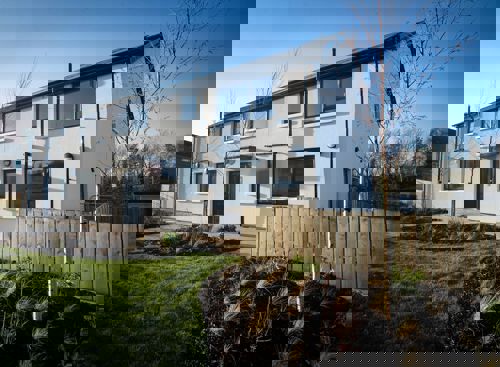
The extensive refurbishment completed in January 2026, improving the building fabric through high levels of insulation, replacing the roof, windows, external doors, along with re-configuring the internal layouts to better meet modern standards and providing ease of accessibility aiding supported living for users.
Along with this an innovative heating system of both air and ground source heat pumps has been installed supplemented by PV panels, and a fully integrated monitoring system to provide data lead research.
The increased energy performance of this block has been achieved by replacing the majority of the ground floor build up incorporating insulation, installing blown bead cavity wall insulation with external wall insulation, loft insulation along with including an airtightness layer which has resulted in air permeability test results that are more than twice as good as the Building Regulations min requirement.
Along with these improvements, this scheme also incorporates the NIHEs first ground source heat pumps using two vertical bore holes as the heating source for the three first floor flats with the three ground-floor flats using air source heat pumps. All flats have electricity for the running of heat pumps supplemented by solar PV panels installed on the roof. The ground source heat pumps were made possible from additional funding provided by the DfC Climate Change Fund. A demand led decentralised ventilation system has also been incorporated to each flat.
To fully utilise the systems and provide valuable learning for future schemes, a monitoring system has been integrated for multiple purposes from information that can be used to educate and inform the tenants on how to maximise building efficiency based on their own personal usage as well as data to inform future schemes, with the split of ground source and air source heat pumps within the same block this gives a direct comparison on heating systems performance informing future schemes, providing informed decisions to meet the Governments energy and carbon targets.
This fully refurbished block of flats has rejuvenated both itself and its surroundings and really has demonstrated what is possible with well considered innovate retrofit for both bringing existing buildings up to modern living standards for space and amenities as well as energy improvements providing an affordable, comfortable, healthy environment for its inhabitants.
The Climate Change Act (Northern Ireland) 2022 sets targets for the reduction of greenhouse gas emissions and this along with the Energy Strategy for NI, which is the Department for Economy’s pathway to 2030, assist to help achieve the long-term vision of net zero carbon and affordable energy for NI. The Strategy will support the highest levels of energy efficiency, thus reducing the amount of energy we need whilst making sure the energy we do use comes from clean renewable sources.
On top of this within its role of Northern Ireland’s Home Energy Conservation Authority the NIHE is tasked with achieving a significant improvement in the energy efficiency of residential accommodation in Northern Ireland, addressing fuel poverty and reducing carbon emissions.
To achieve these goals there will need to be improvements in design expertise, on-site skills and increasing understanding of low energy principles, by directly delivering schemes such as Lisnafin, the NIHE not only leads the way in innovative, sustainable solutions, provides useful data and also provides a massive opportunity for upskilling with the construction sector.
Outcomes and achievements
Lisnafin Flats were primarily initiated as a scheme that not only brings important housing stock, in an area of high housing need, back into use but also provides the opportunity for research and learning outcomes used to develop understanding of retrofit possibilities, for future large-scale projects for the NIHE and other social housing providers.
At the time that the associated Building Control application was submitted, average block DER improvement over TER was more than 50 per cent, SAP scores have been taken from an average of a low D to a high B and it’s projected that the energy costs for the end users will be half of that compared with the previous block.
Having just been completed, tenants who have moved in have already commented on the high standard, comfortable environment provided and it’s envisaged the future data gathered will back this up.
The real achievement of this scheme is leading government funded research to feed into future decision making, specifications and standards while maximising the possible learning opportunities, while raising the benchmark for quality of performance re. existing social housing stock, whilst reducing both embodied and operational carbon and giving tenants a healthier, energy efficient home.
Homeless Connect - Furniture Voucher Scheme
Application entry
- Project name: Furniture Voucher Scheme
- Lead organisation: Homeless Connect
- Partner organisations: East Belfast Mission Restore and 4R's Recycling C.I.C
Statement of support
Homeless Connect identified furniture poverty as a critical but often overlooked barrier to sustaining tenancies in Northern Ireland. This issue emerged directly from frontline practice. While delivering Home Starter Packs to people moving into new tenancies, drivers repeatedly encountered homes that were completely bare - no furniture, no appliances, no flooring, and in some cases no curtains or blinds. Many people were sleeping on mattresses on the floor, had no cooker or fridge to prepare food, and nowhere to sit, eat, or invite others into their home.

These observations reflected a wider national issue. Research from End Furniture Poverty shows that over six million people across the UK lack access to essential furniture, furnishings, or appliances, with around nine million essential items missing from homes. Nine per cent of adults (4.8 million) and nine per cent of children (1.2 million) are affected, and people with disabilities are three times more likely to experience furniture poverty. In Northern Ireland, where most social housing is unfurnished, this problem is particularly acute for people on low incomes and those moving on from homelessness, domestic violence, or unstable private rented accommodation.
Homeless Connect responded by developing an innovative, practical solution to address furniture poverty at the point people move into a new tenancy. Building on the existing Home Starter Pack Project, which provides essentials such as bedding, cleaning products, ambient food, and small electrical items, it was recognised that packs alone could not resolve the wider challenge. Furnishing an entire home from scratch is simply beyond the means of many households, yet without furniture, a tenancy is far harder to sustain.
The innovation was the introduction of a Furniture Voucher Scheme that places dignity, choice, and efficiency at its centre. Instead of distributing pre-selected items, people receive a voucher and can choose the furniture and appliances they need most. Through a partnership with East Belfast Mission Restore, a social enterprise specialising in reused and refurbished furniture, items are selected in-store and delivered directly to the home. This approach empowers individuals to make their house feel like their own while ensuring support is targeted and appropriate.
From January to December 2025, the scheme expanded through Sustaining Tenancies funding to support 164 Northern Ireland Housing Executive tenants with enhanced vouchers valued at £485. These enhanced vouchers included access to white goods, enabling people to cook, store food safely, and establish stable daily routines. This expansion strengthened tenancy sustainment at a critical transition point.
Alongside this, a pilot scheme in Derry/Londonderry was delivered in partnership with 4R’s Recycling C.I.C, providing £300 furniture vouchers to housing association tenants. Of the 25 vouchers available, nine have already been issued, demonstrating early uptake and clear potential for further rollout.
The outcomes for tenants are clear. Access to a cooker and fridge supports healthier eating and medication storage. Having a bed improves sleep, physical health, and mental wellbeing. Furniture such as sofas and tables helps reduce isolation and supports social connection. Together, these outcomes contribute directly to tenancy sustainment and reduce the risk of repeat homelessness.
The approach also delivers strong value for money. By working with East Belfast Mission Restore, the scheme supports the circular economy, reduces waste, and provides furniture at significantly lower cost than new alternatives. Preventing tenancy failure also reduces costs for housing providers and public services.
Through the Furniture Voucher Scheme, Homeless Connect has delivered an innovative, scalable response to furniture poverty. By listening to frontline insight, using evidence to shape services, and prioritising dignity and choice, Homeless Connect is improving lives and supporting long-term solutions to homelessness across Northern Ireland.
Outcomes and achievements
The Furniture Voucher Scheme has delivered outcomes by addressing furniture poverty in people’s housing journeys. Delivered through partnership working between Homeless Connect and East Belfast Mission Restore, and through a separate pilot with 4R’s Recycling C.I.C in Derry, the scheme supports people moving into unfurnished tenancies to access essential furniture and appliances in a dignified, practical way.
Between August 2024 and August 2025, the initial furniture pilot supported 53 tenants with £250 furniture vouchers through East Belfast Mission Restore shops. Recipients included Northern Ireland Housing Executive tenants and tenants of Apex, Choice, Woven, and Woodvale and Shankill Housing Associations. This pilot demonstrated benefits for tenants previously moving into empty properties with no essential furniture.
Building on this success, from January to December 2025, the scheme expanded through Sustaining Tenancies funding to support 164 Northern Ireland Housing Executive tenants with enhanced vouchers valued at £485, including access to white goods. This expansion strengthened tenancy sustainment by enabling people to cook, store food safely, and establish stable routines.
In Derry/Londonderry, a pilot delivered in partnership with 4R’s Recycling C.I.C provided £300 furniture vouchers to housing association tenants. Of 25 available vouchers, nine have already been issued, demonstrating early uptake and potential for further rollout.
North and East Housing Association - County Cavan Combined Regeneration: Converting Existing Buildings into Modern Homes – Arva and Cootehill
Application entry
- Project name: County Cavan Combined Regeneration: Converting Existing Buildings into Modern Homes – Arva and Cootehill
- Lead organisation: North and East Housing Association
- Partner organisations: Galetech Sustainable Living, JM Johnston Consultants
Statement of support
North and East Housing Association, in partnership with Cavan County Council and Galetech Sustainable Living, is pleased to present our regeneration work in Cootehill and Arva for the Excellence in Housing Innovation award. These projects were made possible with funding support through the Capital Advance Leasing Facility (CALF) and the Housing Finance Agency (HFA). The programme shows a practical and replicable approach to converting vacant and underused buildings/brownfield sites into high quality homes while strengthening the centres of small rural towns.
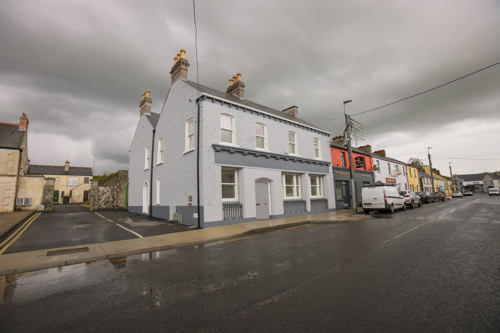
The programme responds to a clear housing need. Many people want secure, efficient homes in central locations where they can easily access services, amenities and public transport. At the same time, rural town centres contain vacant or deteriorating buildings that contribute little to economic or social life. By prioritising regeneration over new build development, these projects demonstrate how existing structures can be renewed to modern standards and brought back into meaningful use.
In Cootehill, the redevelopment of 67 Market Street has delivered nine homes across two refurbished buildings: five apartments facing the main street and four one bed maisonettes to the rear. The works included internal renewal, improved thermal performance, upgraded ventilation and hot water systems, accessible layouts, new kitchens and bathrooms and a full fire detection and alarm system. This project has revitalised a prominent part of the town centre and shows how older buildings can be adapted to deliver safe, efficient and comfortable homes.
“These schemes show genuine innovation in how rural housing can be delivered. By reusing existing buildings in Cootehill and Arva, we reduce waste, improve energy performance and bring people back into the heart of our towns. It is a practical, sustainable model that delivers real impact for residents and long-term value for the community.” Donogh O’Brien, Galetech Sustainable Living
In Arva, the protected structure former Bank of Ireland building has been refurbished to create four apartments, including two one-bed and two two-bed homes. The project retained original stone and brickwork, restored chimneys and sash windows and introduced insulated floors, upgraded roof coverings, modern fire safety systems, efficient electric heating and factory insulated hot water cylinders. A landscaped courtyard with seating, planting, bike storage and bin storage complements the building and enhances the residential environment. The homes are complete and fully occupied, providing secure and centrally located accommodation in the town.
Innovation is evident throughout these projects. They integrate modern performance standards into existing structures, avoid the land take and cost associated with greenfield development and demonstrate how compact, efficient homes can be delivered in central, walkable locations. The projects show how regeneration can meet housing demand, improve building performance and contribute to the long-term sustainability of rural towns.
“The innovation in these projects lies in combining conservation with modern standards. We have created safe, comfortable and efficient homes inside existing structures while retaining the character of each building. This approach shows how thoughtful design can deliver high quality housing in town centre locations that truly meet residents’ needs.” Jarlath Johnston, JM Johnston Consultants
These projects highlight the strength of partnership. Galetech contributes sustainability expertise and local insight. The design teams and contractors bring conservation skills and modern construction knowledge. NEHA provides the long-term commitment to delivering safe, reliable and comfortable homes in well-connected town centre locations.
“The regeneration of these buildings in Cootehill and Arva reflects thoughtful, practical housing delivery that directly benefits our communities. The work has transformed vacant structures into high quality homes in accessible, central locations. It is an excellent example of how collaboration can produce real and lasting outcomes. Cavan County Council commends NEHA’s commitment to delivering high quality homes and supporting wider regeneration objectives.” Ramona McAvenue, Housing Section, Cavan County Council
Together, Cootehill and Arva show that rural housing innovation depends on practical design, strong collaboration and the creative use of existing assets. These schemes demonstrate how regeneration can deliver durable, well-designed homes that strengthen rural towns.
Watch aerial view of Arva development: https://youtu.be/RVCRdsP-754
Watch aerial view of Cootehill development https://youtu.be/qIIBUqCr4ms
Outcomes and achievements
The Cootehill and Arva regeneration programme has already delivered strong early outcomes that demonstrate clear housing impact. In Cootehill, nine completed homes now provide warm, secure and accessible accommodation in the heart of the town. The refurbishment work has renewed a previously underused main street building, improved the town’s visual character and created modern, energy efficient homes with upgraded ventilation, hot water and fire safety systems. The scheme supports older residents to live independently and contributes to increased activity and confidence in the town centre.
In Arva, the sensitive conversion of a protected former bank building is complete and has created four new apartments that meet modern standards while respecting heritage fabric. The development now includes improved access, a secure communal courtyard, bike storage and high-quality internal finishes. Both two bed and one bed homes have been designed to support comfortable, everyday living with modern heating, storage and safety systems in place. All homes are now fully occupied.
Across both locations, vacant buildings have been transformed into viable, attractive homes. The approach supports ageing in place, strengthens local services, enhances the public realm and reduces the environmental impact associated with new construction. The outcomes achieved to date show a strong, scalable and value driven model for rural regeneration and housing innovation.
East Belfast Mission - 240 Newtownards Road
Application entry
- Project name: 240 Newtownards Road
- Lead organisation: East Belfast Mission
- Partner organisation: Hosford Community Homes
Statement of support
Hosford Community Homes (HCH) is a new community led housing project founded by East Belfast Mission to fight homelessness, poverty and exclusion by creating and sharing innovative housing models.
Hosford has been working with the most vulnerable and marginalised in society for the last 25 years.
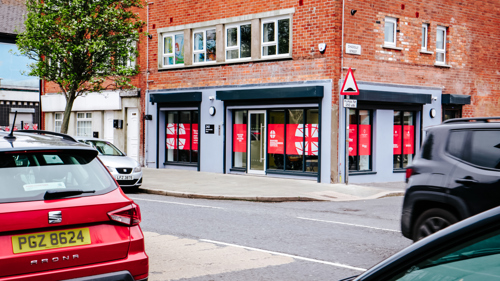
Through our Hosford Community Homes initiative, we are addressing the urgent need for affordable, stable housing and homes that are still part of a vital community, for individuals who are homeless or at risk of homelessness, particularly those who fall through the gaps in current provision.
The transformation of a vacant office building on the Newtownards Road, now provides six high quality new apartments and a good relations community space. Giving access to housing and support to those facing challenging circumstances and who are at risk of homelessness and social isolation.
This project was a groundbreaking partnership between Urban Villages, East Belfast Mission and Belfast City council with additional capital support from Ulster Garden Villages, Benefact Trust and Garfield Weston.
An independent Social Return on Investment (SROI) analysis was completed for the Newtownards Road project in 2022. The evaluation confirmed that the project offers a cost-effective, replicable model for addressing homelessness and associated mental health challenges.
This environment will allow for greater stability, privacy, and safety, while also enabling us to provide tailored, wraparound mental health services on site.
Residents will benefit from direct access to one-to-one and group-based mental health support, designed to help them recover, gain confidence, and move forward positively. Living independently to build confidence while also knowing there is support there if needed.
Need for the Project
We also consulted service users about the housing barriers they face.
Clients told us:
- “I have refugee status but no job yet – no one will rent to me.”
- “Hostels make my mental health worse – I need peace and privacy.”
Homelessness in Northern Ireland is escalating rapidly:
- The number of households in temporary accommodation has surged from 3,024 to 10,253 in just five years.
- As of March 2023, there were 26,310 households on the housing waiting list with Full Duty Applicant (FDA) status. This makes up over half of all those on the housing waiting list, which is a 50 per cent increase since 2017.
- Long-term stays in temporary accommodation are rising sharply: those staying more than a year increased from 818 in 2019 to 1,553 by July 2022 – a 90 per cent increase.
- The number of households in housing stress has increased by 148 per cent, from 13,042 in 2003 to 32,371 in 2022.
- Housing is a fundamental need. Providing the access to good quality, affordable housing has a transformative effect on people’s lives. We have found that within months of having their own home, people start working or volunteering or education, reconnect with family, and have significantly improved mental health and wellbeing. Without proper housing people’s lives are put on hold and their potential is wasted.
- These figures indicate systemic pressure on housing and homelessness services. HCH Ltd was established to deliver a scalable response to these challenges, prioritising those who are excluded from existing pathways.
- The need for this model of Community Led Housing is grounded in extensive consultation, strategic analysis, and first-hand experience of the limitations within the current homelessness system in Northern Ireland.
We strive to offer the best possible support for every client. This can be seen in some feedback from our clients:
"Their support is unconditional. They have compassion and empathy."
Outcomes and achievements
The impact of this project will be to change the lives of those affected by homelessness in our community and to offer a supportive community.
And by recognising that our clients need community to thrive we included the good relations programme from the building in the good relations space. Inclusion is one of our core values and our clients come from a diverse range of groups.
The outcomes of this project are:
- To progress the implementation of the 240 Newtownards Road accommodation project as the first “Hosford Community Home”
- To provide accommodation each year to six people who are homeless
- To support clients with the issues they face, move into long term accommodation, have a better life; this will be done via our good relations strategy and our one-to-one housing support services
- To generate an income from the project, develop our skills in providing similar projects, and to plan and develop further projects of this kind in East Belfast through Hosford Community Homes
We always strive to offer the best possible support for every individual we work with. This can be seen in some feedback from our clients:
‘I wouldn't be on this earth if it wasn't for Hosford.’
Co-operartive Housing Ireland - EnergyCloud Rollout in Fingal Local Authority
Application entry
- Project name: EnergyCloud Rollout in Fingal Local Authority
- Lead organisation: Co-operartive Housing Ireland
- Partner organisation: EnergyCloud
Statement of support
Energy poverty affects hundreds of thousands of households across Ireland, with many families forced to make difficult choices between heating their homes and meeting other essential living costs. At the same time, significant volumes of renewable electricity are routinely curtailed due to periods of surplus generation. The Fingal EnergyCloud initiative, led by Co-operative Housing Ireland, addresses both challenges through a simple but highly innovative idea: redirecting wasted renewable energy to households experiencing energy vulnerability.
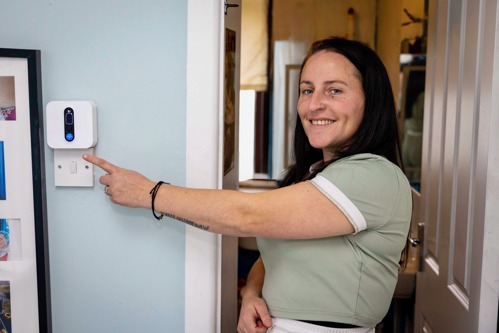
Co-operative Housing Ireland, in partnership with not-for-profit EnergyCloud Ireland, is delivering an innovative housing-led energy project in Fingal that uses surplus renewable electricity to provide free hot water to Member Tenants. The project is funded by Amazon Web Services and was officially launched in July 2025 by the Minister for Climate, Energy and the Environment. This application relates specifically to Co-operative Housing Ireland’s delivery of the initiative across its own housing stock in Fingal.
The initiative uses EnergyCloud-enabled smart immersion controller devices installed in participating homes. These devices automatically activate immersion heaters when surplus renewable energy is available on the grid, heating domestic hot water tanks at no cost to households. No action is required by Member Tenants, and the technology integrates seamlessly with existing immersion systems.
The innovation lies in how the project rethinks both energy and housing infrastructure. Rather than relying on behavioural change, subsidies or building upgrades alone, the project turns a system inefficiency into a social good. Electricity that would otherwise be wasted is transformed into a direct, everyday benefit for households, reducing energy bills while also supporting decarbonisation.
Delivery in Fingal is already producing measurable results. Since the project commenced, over 3,000 tanks of free hot water have been delivered to households in Fingal, including Co-operative Housing Ireland homes, representing more than 11,000 kWh of renewable energy diverted from curtailment. This has resulted in an estimated carbon saving of approximately 2.5 tonnes of CO₂, demonstrating both environmental and social impact at local level. In 2025 alone, there were 120 nights of renewable energy curtailment nationally, highlighting the scale of the opportunity this project seeks to address.
Member Tenant experience is central to the initiative. Devices and installation are provided at no cost, ensuring equitable access. Feedback from participating tenants highlights the real-life impact of the project. One Fingal-based tenant described how having hot water already available in the morning removed the constant worry of switching on the immersion and took the pressure off household finances, particularly during busy weekday routines.
Recognising that innovation also depends on effective engagement, Co-operative Housing Ireland and EnergyCloud have actively trialled a range of approaches to encourage tenant participation. These have included door-to-door engagement, letter drops, QR-code sign-up options, information posters within schemes, and visible livery on installer vans during installation works. This flexible, tenant-centred approach has enabled the project team to understand what works best in different settings and to adapt engagement methods accordingly.
Co-operative Housing Ireland has committed to delivering the initiative across up to 300 homes in Fingal, with installations progressing on a phased basis. In parallel, EnergyCloud Ireland is working with other social housing providers to expand the model further, with an overall ambition to reach up to 500 homes across Fingal, including Co-operative Housing Ireland’s homes. This wider rollout is being delivered concurrently, demonstrating the scalability and replicability of the approach while this submission focuses specifically on Co-operative Housing Ireland’s delivery.
From a value-for-money perspective, the project maximises the use of existing renewable energy and housing infrastructure, delivering social and environmental benefits without placing additional financial burden on tenants. The Fingal EnergyCloud initiative demonstrates how housing providers can act as platforms for innovation, delivering immediate benefits to tenants while also contributing to national climate goals.
Outcomes and achievements
The Fingal EnergyCloud initiative delivered by Co-operative Housing Ireland has already achieved tangible and measurable outcomes. Since commencement, over 3,000 tanks of free hot water have been delivered to homes in Fingal, representing more than 11,000 kWh of renewable energy that would otherwise have been curtailed. This equates to an estimated carbon saving of approximately 2.5 tonnes of CO₂.
Participating Member Tenants benefit from regular access to free hot water during periods of surplus renewable generation, directly reducing electricity costs and easing financial pressure. Tenant feedback highlights reduced anxiety around energy use, improved peace of mind and practical benefits for daily routines, particularly for families.
The project has demonstrated strong and adaptive tenant engagement. A range of sign-up approaches have been trialled, including door-to-door engagement, letter drops, QR-code registration, scheme-based posters and installer vehicle branding. This has supported participation and generated valuable learning on how best to engage tenants with innovative energy solutions.
Co-operative Housing Ireland has committed to installing EnergyCloud-enabled devices in up to 300 homes in Fingal, with delivery ongoing. In parallel, EnergyCloud Ireland is working with other social housing providers to expand the model further, with an ambition to reach up to 500 homes overall. This demonstrates both the immediate impact of the CHI-led initiative and the wider potential of the approach.
At a national level, 120 nights of renewable energy curtailment occurred in 2025, reinforcing the relevance and scalability of the model.
DLRCC - Implementation of a Hybrid Power System on a Dún Laoghaire-Rathdown Housing Construction Site
Application entry
- Project name: Implementation of a Hybrid Power System on a Dún Laoghaire-Rathdown Housing Construction Site
- Lead organisation: DLRCC
- Partner organisation: dlr County Architect
Statement of support
Clancy Construction with Dún Laoghaire-Rathdown County Council (DLR) identified a construction site in Stillorgan as a landmark innovative project to pilot a solution to significantly reduce the carbon generated during the project’s construction phase. The development is of significant scale, comprising 88 apartments in a mix of duplex, one, two and three bed units, as well as a new public library.
This initiative is a first for a construction site in Ireland.
Together, DLR with Clancy Construction and JTM Energy, are transforming how to power construction sites in Ireland by swapping generators for batteries. Replacing generators by battery power results in a carbon reduction of circa 70 per cent during the project’s construction phase.
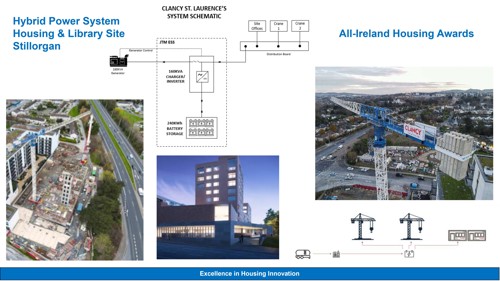
Electricity demand on construction sites is significant, often requiring multiple generators for uninterrupted power supply. Generators are required on many construction sites where grid connection is unavailable or inadequate for the projected loads, particularly if there are tower cranes on site.
This traditional approach is inefficient and environmentally unsustainable. This transformative proposal introduces a hybrid power system comprising a single200kVA generator and a storage battery as an alternative to using three 200kVA generators during the housing construction phase. It not only ensures a reliable power supply but also contributes to sustainability efforts by reducing fossil fuel usage and the resulting environmental impact.
The Key Components of the Hybrid System are:
- 200kVA Generator: Utilizing a single high-capacity generator ensures sufficient power supply for the construction site's needs.
- Storage Battery System: The integration of a storage battery allows for energy storage during periods of low demand or when the generator operates at a fraction of its capacity. This stored energy can then be utilized during peak demand periods, reducing the reliance on the diesel generator.
This objective has been achieved, and the hybrid power system has been successfully working on the construction site in Stillorgan since the beginning of 2024.
Embracing this innovative approach not only ensures a reliable power supply but also signifies Clancy Construction and DLR’s commitment to a greener, more sustainable future for Ireland's construction industry, as well as supporting the local authority’s public exemplar role.
The impact of this initiative is measured by the environmental benefits, reduced fuel consumption, and alignment with Ireland's sustainability goals, making this proposal a viable and impactful initiative.
This proposal aligns with Ireland's strategic objectives to transition towards cleaner and renewable energy sources outlined in the National Energy and Climate Plan. By reducing reliance on fossil fuel powered generators, this initiative contributes directly to Ireland's targets for increased renewable energy usage and reduced carbon emissions.
This proposal aligns with the Sustainable Development Goals (SDGs) to find sustainable and innovative development solutions for the benefit of all, to achieving the Sustainability Strategy 2030 targets strategic objectives for using cleaner and renewable energy sources, and to contribute to Renewable Energy Targets and reduced carbon emissions.
The innovative project especially contributes to the following SDGs:
- Good Health and Wellbeing - Sustainable built environments can improve people’s health and wellbeing for all at all ages.
- Affordable and Clean Energy - Ensure access to affordable, reliable, sustainable, and modern energy for all.
- Decent Work and Economic Growth - Building sustainable infrastructure creates jobs and boosts the economy.
- Industry, Innovation, and Infrastructure - Build resilient infrastructure, promote sustainable industrialization, and foster innovation.
- Sustainable Cities and Communities - Make cities inclusive, safe, resilient, and sustainable.
- Responsible Consumption and Production - Ensure sustainable consumption and production patterns.
- Climate Action - Sustainable built environments produce fewer emissions, helping to combat climate change and its impacts.
- Partnership for the Goals - Through building sustainably, we create strong, global partnerships.
Outcomes and achievements
Sustainability and Environmental Benefits:
- Reduced Fuel Consumption: Implementation of a single generator instead of three substantially reduces fuel consumption. Studies show that one generator operating at optimal capacity in conjunction with a battery storage system is more fuel-efficient than multiple generators operating intermittently.
- Emissions Reduction: By minimizing the number of generators in use, emissions of greenhouse gases and pollutants are significantly lower, contributing to improved air quality in the vicinity of the construction site.
- Noise Reduction: Fewer generators mean reduced noise pollution, creating a more pleasant environment for workers and neighbouring communities.
- Resource Conservation: Lower fuel consumption translates to reduced strain on fossil fuel resources, aligning with Ireland's commitment to reducing overall fossil fuel usage and transitioning towards sustainable energy sources.
- Implementing this hybrid power system sets a precedent for sustainable practices within the construction industry, encouraging other sites to adopt similar eco-friendly solutions. DLR is constructing a building project designed to the stringent low energy Passive House construction standard and with this collaboration with Clancy, the construction phase is also an exemplar in sustainability. A byproduct of this decision is a much-improved air quality for the site workers, local residents and the planet.
Newington Housing Association - Fuelling growth, Inspiring Innovation
Application entry
- Project name: Fuelling growth, Inspiring Innovation
- Lead organisation: Newington Housing Association
- Partner organisation: Grow NI
Statement of support
Newington Housing Association (NHA) is proud to nominate its long standing partnership with GROW NI, an innovative and socially inclusive initiative that has transformed wellbeing, skills, connection, and community life for tenants aged 55 + in NHA’s Sheltered Housing Scheme, Camberwell Court but now beyond to the wider community.
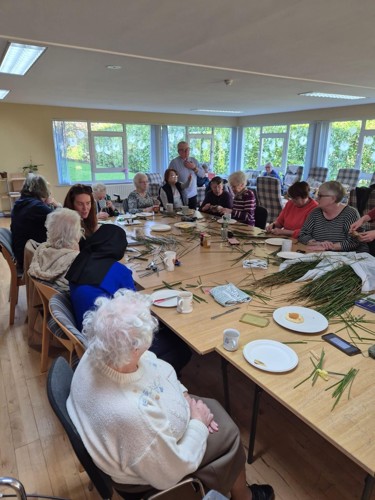
At a time when environmental sustainability was not the focus of many, tenants and the community facilitated by GROW were learning the importance of protecting and developing green spaces to share with their families and preserve for future generations in a densely populated and built-up area of North Belfast.
Following the implementation of the Tenant Participation and Community Involvement Strategy and the Community Investment Strategy 2023-26. NHAs board has supported the Association’s need to positively impact innovation and the lives of NHA tenants and the wider community.
To support this and other work NHA invests three per cent of rent receivable back into the community. This delivery of this evolving, innovative project provides value for money for Camberwell tenants and the community. Annually NHA provides £7,000 of funding and has spent circa £110,000 from its inception. Recent studies show the impact of loneliness is exceeds £9,000 per person per year.
There are 34 tenants in Camberwell Court all ranging in ages from mid-55s to over 90 years of age. This groundbreaking partnership started in the late noughties, suggested by a tenant at the newly developed Camberwell Court sheltered scheme.
GROW was founded in 2008 (link below) and a long-term working relationship and bond was established with GROW and NHA and now the wider Limestone Road community. Importantly for everyone taking part this is fun, learning new skills, cooking produce, working outdoors if physically able or indoors if not. The mental health impact is extremely important and one older tenant, a respected former head teacher, during the Covid-19 lockdown was always to be found the garden. Later recalling she couldn’t have got through lockdown without getting out into the garden and fresh air, a country girl originally, she always was at home outdoors.
Through innovative use of Camberwell’s extensive garden, tenants and GROW have created growing spaces, poly tunnels, raised beds, intergenerational activities, and tailored participation, the programme directly addresses social isolation, mental and physical health, and community cohesion. Our partnership demonstrates innovation not as a single idea, but as a sustained culture of listening, co design, and adaptation to meet the evolving needs of tenants.
- Inclusive and adaptable – Activities are intentionally designed so tenants of all ages, abilities, and health conditions can meaningfully participate.
- Community building – Safe, shared garden spaces create a non-threatening environment where relationships grow naturally across backgrounds and experiences.
- Purpose driven – Sessions are shaped around tenants’ own interests, feedback and energy levels, ensuring activities feel relevant, achievable and personalised.
- Holistic – The programme addresses mental health, physical mobility, food access, confidence building and community integration simultaneously.
What makes this programme truly innovative is the care and thoughtfulness woven through every part of it. Together with our community partners, we have created spaces where:
- Everyone is welcome - beyond the initial Camberwell tenants, young people, NHAs cross-community women’s group and men’s shed and other NHA partnership groups are included
- Sessions are adapted so each person can take part in a way that feels natural and manageable for them, herbal wellbeing sessions and healthy cooking sessions
- Listening comes first - weekly organic vegetable harvests shared with at least 15 regular attendees and other tenants during the growing season, supported by a dedicated harvest trolley in the common room
- Connection – the gardens become gentle meeting places where people can chat, share stories, or simply enjoy being around others at their own pace. Ongoing maintenance of a thriving organic vegetable and flower garden for all residents to enjoy.
Outcomes and achievements
NHA and its tenants want to work with GROW as it is different from other garden groups because of our commitment to planned, inclusive and task-adapted sessions, ensuring that everyone can participate meaningfully regardless of physical ability, health condition or confidence. NHA staff and GROW listen closely to what participants, NHAs Community Engagement Officer has developed this beyond Camberwell Court and our Scheme Coordinator works closely want and need, shaping sessions around their interests, energy levels and capabilities so that everyone can contribute in a way that feels achievable and valued. Our participants consistently told us that having a place to go, people to meet and a shared purpose gave them structure and meaning to their week. For many, the group has become a highlight in the middle of the In practical terms, participants report:
- A noticeable improvement in mental health and wellbeing, with many describing a genuine lift in mood and outlook
- Increased enjoyment of being outdoors and connected to nature
- Stronger social connections and a reduction in loneliness and isolation
- Opportunities to learn new skills and try things they never thought possible
- Access to healthy, home-grown meals, particularly valuable for those who do not cook regularly
- A deep sense of purpose and pride in contributing to the growth of vegetables, flowers and the beautiful garden space
- Environmental sustainability for future generations.
Newington Housing Association - Innovation in Youth Development
Application entry
- Project name: Innovation in Youth Development
- Lead organisation: Newington Housing Association
Statement of support
Newington Housing Association (NHA) is committed to developing opportunities for NHA tenants and the wider community in North Belfast. In doing this NHA has worked with a range of youth providers and has delivered innovative ways of working in partnership with New Lodge Youth Club (NLYC) and Holy Family Youth Club (HFYC).
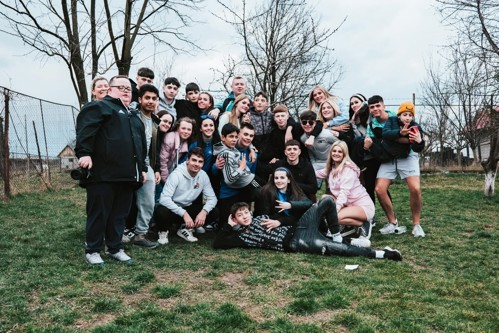
NHA is acutely aware of the importance of investing in young people and working in partnership with the organisations who have firsthand knowledge and expertise to change lives. This project was recently recognised in the inaugural Supporting Communities Awards in the Innovation in Tenant Participation category receiving a Highly Commended Award.
Following the implementation of the Tenant Participation and Community Involvement Strategy and the Community Investment Strategy 2023-26. NHAs board has supported the need to prioritise working with young people and youth provision to positively impact their lives. To support this and other work NHA invests three per cent of rent receivable back into the community. Working in partnership with the youth clubs the following initiatives have been developed – Development of a Youth Committee - NLYC, HFYC and NHA worked together to develop a youth committee.
Initially informal meetings were held with pizza evenings and chats to find out what the priorities were for the young people. Issues that were raised by the young people included lack of opportunity including jobs, drugs, mental health challenges and the negative view society has on young people. Wider community issues raised were housing, homelessness and mental health. Several events have now taken place, organised by young people, supported by youth leaders and NHA.
For the past two years (Aug 24 and 25) at the University of Ulster Belfast, to coincide with exam results information days were planned. Each event was organised by the youth committee from HFYC and NLYC. Through their active engagement with local organisations a vast range of information was available on training, employment, mental health and community safety, showcasing the opportunities and support on offer for school leavers.
Each year the events were well attended with 100+ attendees. Other projects have included Christmas Support, -again organised by young people a food drive for local hostels and foodbanks during the Christmas period. This project demonstrated hard work and compassion from the young people, going over and above for those in need.
Essentials such as hats and gloves were also provided. ASB in December 2025 - young people worked within the interface area to deliver gifts to homes affected by anti-social behaviour (ASB) between communities. The programme helped young people to better understand the challenges faced by families living on the interface, particularly during periods of heightened tension, rioting, and negative community behaviour. Funding staff worked to support this and provided finance for the even Romania Sponsorship - NHA provides funding for young people from North Belfast area to travel to Romania to work with young people with disabilities, in social care and local schools. The trip is fundraised in its entirety.
This important project empowers young people to build leadership skills and empathy. This project is best described watching the video in the ‘Supporting Evidence’ and listening to the impact it has made on those who have taken part.
The next project which NHA is working on with youth providers and young people is an employability day. This event will look at apprenticeship opportunities with a focus on careers in housing and the Housing Apprenticeship Programme. NHA has already had one young person from the area complete the apprentice course and currently have another housing apprentice.
NHA recognises young people will be future residents of the area. It is extremely important they are given every opportunity to shape their community and their future. NHA will continue to work on innovative projects with young people and youth leaders to ensure all are given an opportunity to achieve their full potential
Outcomes and achievements
NHAs commitment to multi-agency work has proven NHA is a key stakeholder in innovation with youth organisations in decreasing ASB and increasing life opportunities. The value for money this brings cannot always be easily measured in monetary terms. It has opened up life opportunities, encouraged good decision making and now is giving a career choice through exploring apprenticeships before exams are taken in May/June. NHA has provided over £35k in financial support in recent years working in partnership with both youth clubs. Other projects NHA and the youth clubs have worked on include Winter Wonderlands for both areas, development of an external green space at NLYC, funding towards a minibus for HFYC and funding for youth awards in December 2024 (Supporting Evidence gives additional details). BJ McKevitt, HFYC “We work well NHA many young people and their families live in Newington homes. The young people in the area are very capable and need chances and opportunities in life. Working with Newington has created innovative opportunities and we’re working closely with Newington to develop the employability day.” Sean McMullan, Senior Youth Worker NLYC “NHA has provided key support not only in sponsorship but community leadership in the Greater New Lodge community particularly for young people who face many barriers in their lives. The support NHA provides enabled young people to obtain opportunities which would not be possible. The ethos of giving back to support communities to overcome barriers they face is apparent in all aspects of NHAs work”.