

All-Ireland Housing Awards 2026
Read all the shortlisted entries into this award category, housing team of the year, at the All-Ireland Housing Awards (AIHA) 2026 and find out who won the award on the night.
The title of team of the year will be awarded to a team who have delivered an outstanding contribution to their organisation and for the housing sector.
This award was sponsored by Apex Housing Association.
Winner
Clanmil North Belfast Neighbourhoods Team from Clanmil Housing
Statement of support
The Clanmil North Belfast neighbourhoods team demonstrated exceptional professionalism, compassion and leadership in responding to sectarian attacks on customers’ homes in North Belfast in May and September 2025. This was a complex and sensitive situation involving community tensions, paramilitary intimidation, criminal attacks, media scrutiny, and significant fear among customers and the local community. These attacks were the subject of commentary by the First and Deputy First Minsters, the Minister for Justice and the Minister for Communities. The attacks, and the involvement of paramilitaries, were debated on the floor of the Northern Ireland Assembly and the NI Policing Board.

The team’s response exemplified outstanding collaboration, values-led decision-making and a deep commitment to customer wellbeing, setting a benchmark for the housing sector.
The first attacks occurred over a bank holiday, with homes in Annalee and Alloa Streets targeted. The local housing team attended immediately to support customers who no longer felt safe in the new homes they had moved into just the previous Christmas. Guided by Clanmil’s values and strong professional judgement, the team acted decisively. As Clanmil CEO, Carol McTaggart later noted, the team required no instruction; they instinctively did what was right to support customers through a crisis.
Several customers unfortunately decided to leave their new homes. A deliberate decision was taken not to place these families into the Housing Executive temporary accommodation system. The team recognised that doing so would result in them being placed far from their support networks, at a time when they were already traumatised, fearful and needed support. Instead, Clanmil chose to manage the response directly, retaining responsibility for accommodation and support. This enabled staff to provide tailored solutions and minimise further distress for customers.

Clanmil’s housing and repairs teams worked together to provide rapid, practical and emotional support. Customers who felt unsafe were immediately offered suitable accommodation, including nearby hotels. For those moved into void Clanmil properties at short notice, staff went far beyond normal practice, working day and night to lay carpets, hang curtains, move furniture, source bedding, toys and food, to ensure people could sleep safely that night. Empty properties were transformed into welcoming homes, helping to restore a sense of normality, particularly for children.
The team also supported customers who chose to remain in their homes, respecting their resilience while managing risk. This included close liaison with PSNI, local politicians, Victim Support, Community Restorative Justice, local Interface workers Belfast City Council and security providers. Housing colleagues remained available at all hours, responding to calls from anxious customers, even during the night, and constantly providing reassurance. Clanmil’s CEO also reached out to and met with the Minister for Justice. The Minister for Communities acknowledged and commended Clanmil’s approach, recognising the speed, compassion and leadership shown by the team.
Clanmil’s communications team were bombarded by media enquiries and handled all sensitively and responsibly, protecting identities while ensuring accurate and calm messaging. The organisation’s response was referenced widely in news reports, highlighting the role of housing associations in peace-building and community stability. Further threats in September led to continued customer support and renewed media interest, including a BBC Spotlight programme.
This response represents an outstanding example of cross-team and cross-sectoral collaboration and moral leadership. Clanmil did not simply manage a housing emergency, the team stood alongside customers at one of the most frightening moments of their lives, offering safety, dignity and humanity. Clanmil also showed sector leadership by speaking out against sectarianism and paramilitary influence on housing and the impact on communities. Their actions reflect the very best of the housing sector and its role in supporting inclusive, resilient communities.
Outcomes and achievements
- All affected customers were immediately supported with suitable safe, appropriate accommodation where needed, managed directly by Clanmil .
- Families were kept as close as possible to their communities, reducing further trauma and disruption during a period of extreme stress.
- Void properties were transformed into liveable, welcoming homes within days through exceptional cross-team effort.
- Customers who remained in their homes were supported with enhanced security measures, patrols and ongoing reassurance.
- Clanmil leveraged existing strong partnerships with PSNI, community organisations, and local representatives to ensure customers had the support they needed.
- Heightened media interest was handled sensitively and professionally, protecting customer confidentiality while reinforcing Clanmil’s leadership and values.
- All customers are now living safely, with ongoing support provided to those still affected by the situation.
- Clanmil raised awareness of and sparked debate about the importance of political leadership in addressing ongoing sectarianism within communities so that people can live in peace in their chosen neighbourhood.
- The response strengthened sector learning around crisis management, trauma-informed housing practice and community resilience.
Shortlisted entries
Housing First Team - Galway Simon
Application entry
- Team nominated: Housing First Team
- Organisation: Galway Simon
Statement of support
Our Team Housing First: Providing Comprehensive Support Across Galway, Roscommon, and Mayo
At Housing First, we are a dedicated team committed to ending homelessness in Galway City, Galway County, Roscommon, and Mayo by providing stable, permanent housing and the support necessary to help individuals rebuild their lives. Our core belief is that housing is the foundation for addressing the other challenges that individuals facing homelessness may encounter, such as mental health issues, addiction, and physical health concerns. Our team’s approach is rooted in the Housing First model, which prioritizes offering individuals a safe, permanent home before addressing other challenges.
The backbone of our programme is the team of Housing First practitioners, who are the key players in managing client loads and ensuring a seamless service delivery. These professionals take the lead in working closely with clients to ensure that they not only find stable housing but also receive the wraparound support they need to succeed. HF practitioners are skilled in case management, coordinating services, and offering individualized support that addresses the diverse needs of each client. They serve as the central point of contact, helping clients navigate housing, health services, and social reintegration.
Once clients are housed, HF practitioners continue to work alongside them, connecting them to critical services like addiction support, mental health care, and physical health care, all of which are integral to long-term success. Our team works collaboratively to ensure that all aspects of an individual’s wellbeing are addressed, creating a comprehensive support system for each person.
Addiction Support Workers play a crucial role in our approach. Many individuals experiencing homelessness struggle with substance use disorders, which can be a significant barrier to maintaining stable housing. Our addiction support workers help clients work through their substance use issues by offering counselling, access to rehab programmes, and connections to detoxification services. They provide ongoing support, whether through harm-reduction strategies or helping individuals enter long-term recovery programmes. Our team’s addiction support specialists are skilled in creating personalized recovery plans, ensuring that each client receives the care and attention needed to overcome their addiction and regain control of their lives.
For clients who need detoxification, our Detox specialists are there to provide critical, medically supervised support. Detoxification can be a difficult and risky process, and our team is dedicated to ensuring that clients undergo it safely. By managing withdrawal symptoms and offering support, detox specialists help individuals start their recovery process with the right foundation in place, so they can focus on rebuilding their lives in stable housing.
Psychologists and the Mental Health Team also provide critical services, offering therapy and counseling to clients who face mental health challenges. Many of the individuals we work with have experienced significant trauma, depression, anxiety, and other mental health conditions. Our mental health specialists provide trauma-informed care, helping clients heal from past experiences, manage ongoing mental health issues, and build emotional resilience. Mental health support is integral to the success of our clients’ transition into stable housing, as it helps them develop the emotional strength needed to sustain their independence.
Additionally, Occupational Therapists assist clients in developing practical skills for daily living. These skills can include managing finances, preparing meals, maintaining a home, and seeking employment. OTs work closely with clients to enhance their ability to live independently and integrate into their communities. This support ensures that clients are equipped with the life skills necessary to succeed long-term, both in terms of maintaining their housing and leading fulfilling lives.
Our team also benefits from the deep local knowledge and partnerships we’ve cultivated across Galway, Roscommon, and Mayo. We work closely with local healthcare providers, addiction services, social services, and other community organisations to ensure that clients have access to the full spectrum of resources available. This network of services ensures that no client falls through the cracks and that all their needs – whether medical, psychological, or social – are met.
At Housing First, we don’t just offer housing – we offer hope, stability, and the chance for a better life. Our team’s commitment, collaboration, and compassion make a lasting impact in Galway, Roscommon, and Mayo, where we are empowering individuals to regain control of their lives, rebuild their futures, and reintegrate into society. Through our holistic approach, we are changing lives, one person and one home at a time.
Outcomes and achievements
Our Team Housing First: Transforming Lives Across Galway, Roscommon, and Mayo
At Housing First, our team is dedicated to providing stable housing and comprehensive support to individuals in Galway City, Galway County, Roscommon, and Mayo. We follow the Housing First model, which prioritises securing permanent housing before addressing other challenges like mental health, addiction, and social reintegration. This holistic approach is managed by our skilled Housing First practitioners, who take the lead in supporting clients through every step of their journey toward stability.
Our outcomes speak volumes about the impact of our work. Many clients achieve recovery from addiction, reconnect with family, and successfully return to work. Some even receive awards of recognition for their perseverance or experience personal milestones like getting married or building a family. Our clients also reintegrate into their communities, gaining confidence, and independence.
A shining example of our team's success is Mags O'Connell, one of our HF practitioners, who was invited to present at the European Housing First Conference in Berlin this November. This invitation highlights the expertise and innovation of our team and the positive impact we’re having locally and beyond.
Through compassion and collaboration, Housing First is changing lives, one person at a time, in Galway, Roscommon, and Mayo.
Clúid Housing Advice Centre - Cluid Housing Association
Application entry
- Team nominated: Clúid Housing Advice Centre
- Organisation: Cluid Housing Association
Statement of support
The Clúid Housing Advice Centre (HAC) is a new dedicated specialist frontline team at the heart of our organisation. The HAC is a vibrant hub that is the main point of contact for all Clúid residents, our business and service delivery partners, and members of the public. The multi-skilled team is a resident focused service that deals with varied and interesting challenges daily.

The HAC team balances queries through a variety of channels, primarily phone, email webchat and personal callers to the office. The team aim to provide a One Stop Shop service for all resident and public queries.
The HAC team evolved from a business wide project throughout 2024 to identify a Targeted Operating Model (TOM). The model’s aim for HAC was to merge two existing teams into single support with a team of 19 Advisors, three Team leads and a Manager. The team is a multinational team based in Dublin but also enjoy a hybrid working pattern with time split between the office and home.
Coupled with the rollout of Clúid Connect a new Microsoft Dynamics based Housing management system, the HAC team can support resident queries with greater speed, efficiency and accuracy. HAC now has all relevant resident historical data available to it so they have increased visibility of existing cases and can achieve better outcomes. As the HAC team evolves an ongoing training and development programme has been put in place to grow the capability and capacity of the team across all channels and contact type. The benefits for residents following the introduction of Clúid Connect and the development programme will be increased ownership, reduced transfers and improved outcomes.
Information and Advice: Residents receive guidance on rights and responsibilities, differential rent queries, transfer processes, downsizing, RTB queries, anti-social behaviour concerns and how these are managed and other matters relating to their tenancy.
Prospective Clúid residents are provided with guidance on the application process whether for Social Housing or for Discounted Rent.
Repairs and Maintenance Reporting: Residents report repairs for which Clúid provides an emergency, urgent and routine service depending on the nature of the repair or the vulnerability of the situation. Residents are provided with information on outstanding issues e.g timelines and responsibilities. For example, following Storm Éowyn in January 2025 the HAC team responded to 2737 Calls, 1038 emails and raised 818 repairs.
Case Management Support: For ongoing housing matters, the HAC can provide updates on anti-social behaviour and complaint cases. During annual rent assessment programme, the team clarify required documentation and explain next steps.
Signposting to Other Services: Where identified, residents are directed to relevant support services within Clúid such as our Tenancy Support team or to external social services or specialist teams within the local authority.
Accessibility and Support: The HAC team will also coordinate services for residents who may have mobility, health, language, or digital access challenges can still engage effectively with housing services.
Clann, SHY Residents: Using integration tools between our phone and CRM systems we identify our age friendly (Clann) and our supported housing for the youth (SHY) from the start of the call. This allows us to customize the service we provide.
Clúid was one of the first Approved Housing Bodes to provide Webchat support to the users of our website. Launched in Sept 2019 the webchat service, our team provides a human response that is important to our residents. In 2025 we managed over 10200 webchat sessions. For our Discounted Rent e.g. Cost Rental the HAC team provides a consistent and dedicated response service that assist applicants through the eligibility and registration process.
On all queries the team endeavour to provide a quick First Contact Resolution. Where necessary some issues will require referral to the SME in that area.
The HAC team also provide support to the internal Clúid customer across all departments. This support has been vital for individual personal development, and the HAC team has former teammates in roles across departments such as Finance, Commercial Development, People Partnering, Central Services and Housing.
Some key numbers for the HAC in 2025
Channel Volume Managed
Phone 11,3959
Email 8,2358
Post 2,6072
Webchat 10,247
Outcomes and achievements
A significant focus for the HAC since the launch of TOM in 2025 was to leverage the value of the merged team and to build its capabilities and capacity to serve our residents in a professional and efficient manner.
Throughout 2025 during a time of much transformation in our structure and the upgrade of technology we delivered positive improves in the service delivered to residents. We measured our success by maintaining the percentage of service levels, percentage calls answered, Talk Time and reduction in Post volumes.
In addition, the focus on personal development saw a welcome level of internal recruitment from the HAC to other parts of the business. Currently the HAC have staff seconded to our Rents, Commercial, Housing and Lettings teams.
Operations metric success.
Percentage Calls Answered with 30seconds
The HAC improved the Service level percentage from 81 per cent in Jan 25 increasing steadily throughout the year to a peak of 87 per cent in Nov 25.
Percentage calls answered
The new HMS system introduced in Q2 2025 had an expected impact on percentage calls answered. Peaking in Oct 25 with 95 per cent the overall the trend is positive and continues moving in the right direction
Decrease in Post volume.
Clúid Connect was rolled out in Q2 2025 which leveraged our email communication capabilities. In addition to significant cost savings for Clúid, the benefit to the resident is that we can now communicate more quickly and effectively by email, while the resident retains the right for post if needed.
Employee Net Promoter Score
As mentioned above the HAC team provides an excellent training base to recruit from within Clúid. This focus on developing the skills and abilities and our most recent Employee Engagement ENPS Score of 68 for the HAC in 2025.
To Conclude
Clúid’s Housing Advice Centre provides meaningful and timely support to Clúid’s range of residents and to the wider public.
The Iveagh Trust Housing and Community Team - The Iveagh Trust
Application entry
- Team nominated: The Iveagh Trust Housing and Community Team
- Organisation: The Iveagh Trust
Statement of support
Over the past four years the Housing and Community Team in the Iveagh Trust has developed from a two-person office based team into a nine person fully functioning Housing and Community Team consisting of a Director and Head of Department, a Tenancy Services Manager, four Housing and Community Officers, a Tenant Relations Officer and a Tenancy Sustainment Officer.
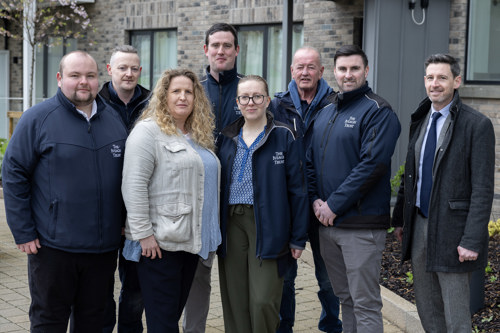
2025 saw the introduction of a Tenancy Sustainment Officer to our Housing and Community Team. Our Tenancy Sustainment Officer works with those most at risk of losing their tenancies and supports them to live independently. The Iveagh Trust and the sector in general has seen a huge increase in those coming from homelessness who may require extra supports and guidance while adjusting to their new homes. The Iveagh Trust’s Housing and Community Team are committed to ensuring tenants feel safe, secure and supported. The Team strives to provide excellent customer service and to establish thriving communities where people feel listened to and included. Each estate has a Residents' Committee and regular meetings are held. Members of our Housing and Community team attend these meetings to support residents in their efforts to improve the community they live in, and to provide feedback to the organisation regarding residents' satisfaction.
The hard work and commitment demonstrated by the Housing and Community Team deserves recognition and the Team will continue to have a meaningful impact on people’s lives within the community.
Outcomes and achievements
This year saw the team take on its biggest challenge yet with the onboarding of the Trust’s Stonemount Estate in Ballyfermot. The scheme consists of 420 homes for individuals and families who are in need of much needed secure accommodation. The work involved in bringing such a big scheme to fruition is endless. The Trust’s Stonemount Housing and Community Officer led on the allocations while the rest of the team assisted with the large number of interviews, pre tenancy training sessions and signups.
The Trust is now able to offer a Tenancy Sustainment Service to any tenants who may be struggling with their new tenancy. This not only reduces the number of failed tenancies but encourages all of the team to look at the longer term picture.
Housing, Communities, and Property Services teams - Ark Housing Association
Application entry
- Team nominated: Housing, Communities, and Property Services teams
- Organisation: Ark Housing Association
Statement of support
The nomination for Team of the Year recognizes the integrated efforts of Ark Housing’s Housing, Communities, and Property Services teams. Over the past 12 months, these departments have moved beyond traditional functional silos to deliver a unified, high-impact initiative: the Community Pop-Ups and Scheme Walkabouts. This project meets the award criteria by providing evidence of a difficult task tackled well together: transforming tenant engagement from a passive requirement into a vibrant, high-turnout community event. By coordinating frontline housing officers, maintenance staff, and the Customer Solutions Team, Ark Housing has ensured that tenants have direct, face-to-face access to the entire spectrum of service providers in a single, accessible setting.
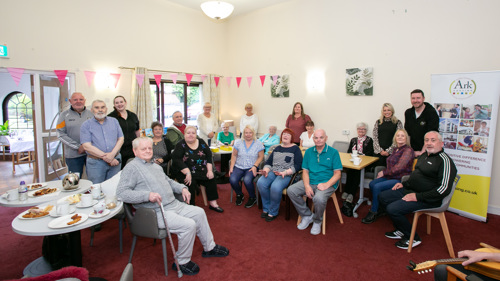
A central ambition of this initiative is to recognize and celebrate the vital role of frontline staff. In the housing sector, the tireless work of those on the "sharp end" of service delivery can often go unnoticed. By bringing housing, maintenance, and customer-facing staff together in the heart of our schemes, the Community Pop-Ups provide these dedicated professionals with the visibility and credit they deserve. This platform allows the team to showcase their expertise and commitment directly to residents, ensuring mutual respect and highlighting the human faces behind our service delivery.
The team has successfully improved the performance of the organisation and outcomes for tenants by strategically increasing the scale and depth of these engagements. Now in its second year, the initiative has seen a substantial increase in tenant responses and participation. The teams have expanded the number of schemes visited, directly resulting in a richer data set of tenant feedback. This feedback is used to shape service delivery, ensuring Ark meets its ambitious Tenant Participation targets. To maximize turnout, the team demonstrated creative problem-solving by leveraging funding from the National Lottery Community Fund to launch the Ark Creative Network, a new initiative that connects the creative community with the social housing sector. By integrating musicians and artists into the pop-ups, the team turned routine consultations into celebrated community events, significantly boosting tenant satisfaction.
The Scheme Walkabouts, in particular, have allowed the team to address localized concerns in real-time. This proactive approach has improved the physical environment of the schemes while building a constructive contract between staff and residents. As Ark Housing executes its ambitious strategic plan to increase its housing stock to 1,300 properties, this inter-departmental team is ensuring that growth does not come at the expense of community. They are laying the solid foundations of strong community relations, proving that even as the organization scales, its commitment to "Quality Homes and Strong Communities" remains personal and direct.
Outcomes and achievements
The collaborative efforts of the Housing, Communities, and Property Services teams have delivered measurable improvements in organizational performance and community wellbeing over the past year.
Key outcomes include:
Increased Engagement: The Community Pop-Up initiative saw a significant year-on-year increase in attendance, with more tenants than ever before connecting directly with senior staff and service providers.
Frontline Visibility: The project successfully raised the profile of frontline housing and maintenance staff, providing them with a platform to receive direct tenant feedback and professional recognition for their on-site service delivery.
Service Transformation: Feedback captured during scheme walkabouts led to direct improvements in communal area management and maintenance scheduling, directly influenced by tenant priorities.
Strategic Integration: The team successfully utilized National Lottery funding to support the "Ark Creative Network," driving record-high turnout at engagement events.
Future-Proofing Growth: As Ark expands toward its 1,300-home target, the team has successfully maintained a high engagement rate across all new and existing schemes, ensuring positive staff-tenant relationships are embedded in the organization’s growth.
Alpha Housing Scheme Co-ordinators - Alpha Housing
Application entry
- Team nominated: Alpha Housing Scheme Co-ordinators
- Organisation: Alpha Housing
Statement of support
Alpha Housing is proud to nominate its sheltered housing Scheme Co-ordinators for team of the year.
Alpha Housing provides homes and support primarily for older people, enabling them to live independently for longer in safe, well-managed homes within supportive communities. At the heart of this are Scheme Co-ordinators, who provide a trusted presence and help turn housing schemes into places where people feel safe, supported and able to thrive.
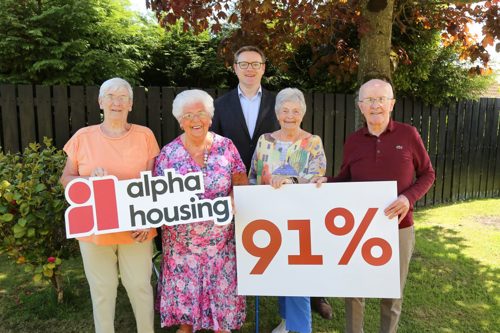
Scheme Co-ordinators provide individual support to sheltered tenants, helping arrange repairs, signposting to medical and advice services and producing an updated individual support plan for each resident annually. Just as important is their work to foster community and companionship among tenants. This includes hosting coffee mornings and lunch clubs, facilitating music and craft activities and organising scheme outings, such as trips to the beach or garden centre.
Over the past 12 months, Alpha’s Scheme Co-ordinators have delivered significant improvements in tenant experience, communication and community across sheltered accommodation. During this period, day to day pressures increased while tenant expectations continued to rise. The key challenge for the team was to maintain a consistent, high-quality presence within schemes, respond early to concerns and sustain strong communities, while continuing to promote independence.
Rather than introducing new services or short-term initiatives, Scheme Co-ordinators focused on strengthening core practice. Their work is grounded in a scheme-based, relationship-led model of support, which prioritises trust, consistency and early engagement.
In practice, this means Scheme Co-ordinators maintain a regular presence within schemes, build strong relationships with tenants over time and use informal contact to notice early changes in wellbeing, confidence or engagement. They balance support with independence by responding proportionately and encouraging tenant choice. Scheme Co-ordinators are trusted to use professional judgement and local knowledge, allowing issues to be addressed early and helping prevent isolation or escalation.
Through this approach, Scheme Co-ordinators:
- Provide practical and emotional support that helps tenants live independently
- Respond quickly and calmly to emergencies and personal concerns
- Build trust-based relationships that allow early help and prevention
- Create safe, welcoming communities within schemes
- Prevent or delay the need for many tenants requiring more intensive care and support, such as residential or nursing care
This is where Alpha Housing’s service standards and values are experienced directly by tenants. One tenant, Chris, said:
“I’ve lived in my scheme since 2008, and the support from our Scheme Co-ordinator has made a real difference to my life. Our Co-ordinator, Roisin, knows everyone here and always takes time to check in, so any worries are spotted early.
As well as sorting the practical things like repairs, she has built a real community through coffee mornings, day trips and activities like mother and baby classes. Her support has helped some neighbours stay living independently, including one who was able to stay at home rather than moving into a nursing home. That meant so much to her, and to all of us. It reassured us that if we ever needed that kind of support, we wouldn’t be on our own. I just love living here.”
Alpha Housing’s experience, supported by independent market research from the IFF Research ‘STAR’ tenant satisfaction survey, shows that consistent, relationship-led scheme support can deliver strong outcomes. These results reflect the work of Scheme Co-ordinators and demonstrate that supporting independent living through trust, regular presence and community building contributes directly to improved tenant satisfaction, safety and confidence.
As a result, Alpha Housing’s Scheme Co-ordinators demonstrate measurable impact on tenant outcomes while also offering clear learning for the housing sector. They do not simply support housing schemes. They help older people live independently with confidence, connection and security.
Outcomes and achievements
The impact of this work is demonstrated in the IFF Research ‘STAR’ tenant satisfaction survey, carried out in February 2025. Alpha achieved the highest overall satisfaction score among 34 UK housing providers, ranking first on 13 of the 14 main service measures, with Scheme Co-Ordinators central to this. Key outcomes included:
- 91 per cent of tenants satisfied with the overall service
- 95 per cent of tenants feeling safe in their home
- 89 per cent believing they are treated fairly and with respect
- 87 per cent feeling well informed
Behind each figure is a tenant who feels more confident and secure in their home. This is reflected in feedback, where tenants consistently describe Scheme Co-ordinators as responsive and caring. Comments include:
- “Our Scheme Co-ordinator is great. I feel safe.”
- “They are very approachable and keep you up to date with everything.”
- “The staff are lovely. It is a wonderful place to live.”
- “I can go to bed and feel comfortable.
Alongside these quality of life benefits, Scheme Co-ordinators deliver significant financial savings for the NI public sector, by reducing demand for other public services, particularly health and social care. NICVA research demonstrates that every £1 spent on supported housing services for older people generates £2.60 in net financial benefits.
Customer Service Centre - Respond
Application entry
- Team nominated: Customer Service Centre
- Organisation: Respond
Statement of support
Respond’s Customer Service Centre (CSC) is a vital frontline service and the first point of contact for thousands of tenants and stakeholders each year. More than a contact centre, the CSC is the organisation’s front door: a place where trust is built, issues are resolved and people are listened to, often at moments of real vulnerability.
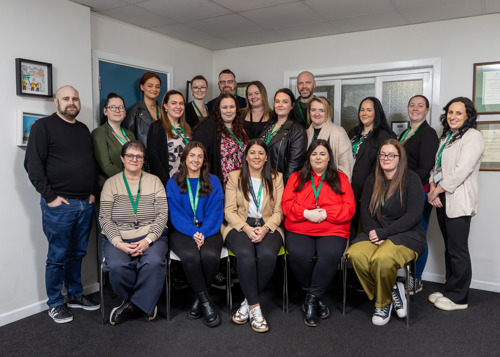
The CSC team has demonstrated an outstanding contribution to Respond and to the wider housing sector through its ability to deal expertly and compassionately with an wide range of issues. On any given day, Customer Service Advisers (CSAs) handle routine but important matters such as rent reviews, repairs queries and tenancy information, while also responding to complex and high-risk calls, including from tenants experiencing acute distress or suicidal ideation. The team is trained and supported to manage all of these situations with professionalism, empathy and calm, ensuring tenants feel heard, supported and safe.
A particular challenge successfully tackled by the CSC has been maintaining a consistently high-quality, human-centred service while Respond has grown significantly in scale and complexity. Since its establishment in September 2014, the CSC has expanded steadily in line with organisational growth, without losing sight of what matters most: the tenant experience. This has required the team to continuously adapt, build knowledge across a growing range of services, and remain resilient in the face of emotionally demanding work.
The CSC’s impact is clearly evidenced in outcomes. In a Behaviour and Attitudes Poll carried out in 2024, 91 per cent of tenants expressed satisfaction with the service provided by the Customer Service Centre. At a time when many services are moving rapidly to digital-only models, the CSC has remained responsive to tenant preferences. While the team communicates via email, text and letter, the telephone remains the most important channel, with 75 per cent of tenants preferring to make contact by phone. The CSC has recognised this, ensuring that tenants can speak directly to a trained adviser when they need to, particularly important for those who may be digitally excluded or in distress.
Beyond direct service delivery, the CSC has significantly improved organisational performance by acting as one of the strongest training grounds within Respond and, arguably, the sector. Many CSAs join the organisation without prior experience of social housing. Through a thorough induction and ongoing, hands-on training, they develop deep operational knowledge and a strong understanding of tenant needs. The progression of CSAs into specialist and senior roles across the organisation is a clear testament to the quality of this training, the confidence it builds, and the culture of support within the team.
This culture is shaped by strong leadership. Susan Goodison, who has led the CSC since its creation, alongside Megan Ronan, have created a team environment grounded in ongoing learning, professionalism and care. Their commitment to investing in people, and recognising the emotional labour involved in frontline service has been central to the CSC’s success.
In every sense, the Customer Service Centre exemplifies what Team of the Year represents: a team that has tackled difficult situations together, improved outcomes for tenants and communities, strengthened organisational performance, and set a benchmark for frontline housing services.
Outcomes and achievements
The Customer Service Centre (CSC) has delivered consistently strong outcomes for tenants, staff and the organisation, demonstrating excellence in frontline service delivery and team development.
- Supporting vulnerable tenants: Suicide awareness training is embedded as part of the CSC’s formal induction, ensuring Customer Service Advisers are equipped to respond appropriately and compassionately to tenants in acute distress. This reflects Respond’s commitment to safeguarding and supporting its most vulnerable tenants at their first point of contact.
- Improved service quality through specialisation: The CSC operates a number of specialist micro-teams, enabling advisers to develop expertise and deliver high-quality, focused support. These include an Annual Rent Review specialist team, achieving a national success rate of over 90 per cent, and an Allocations team supporting applicants for both social and cost rental homes. This model improves accuracy, consistency and customer experience while allowing staff to apply their strengths and interests.
- Strong tenant satisfaction: In 2025, 91 per cent of tenants expressed satisfaction with the CSC service, reflecting the team’s professionalism, responsiveness and tenant-centred approach.
- Career development and retention: The CSC has become a recognised training and progression pathway within Respond. Despite wider recruitment challenges, team members have consistently progressed into specialist and senior roles across the organisation. This reflects the quality of training, the supportive team culture, and strong leadership that enables talent to flourish.
Together, these outcomes demonstrate a high-performing team delivering excellent service while building long-term organisational capacity.
Services Centre - Choice Housing
Application entry
- Team nominated: Services Centre
- Organisation: Choice Housing
Statement of support
Choice’s Services Centre is the heartbeat of the organisation, delivering frontline services that support thousands of tenants every day. Over the past 12 months, the Services Centre team has demonstrated exceptional commitment and innovation in transforming how services are delivered to improve access, efficiency and outcomes for tenants across Northern Ireland.
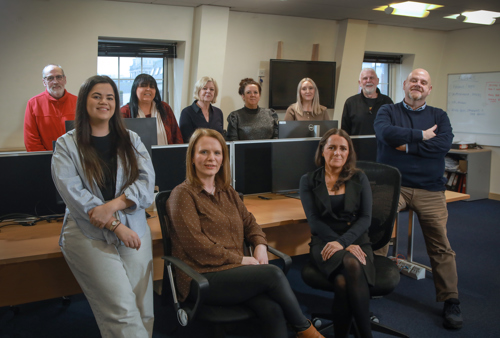
Operating as the first point of contact, the Services Centre plays a vital role in shaping the customer experience by providing assistance on housing, repairs, general enquiries and complaints through a team of professionally trained advisors. Last year, the Services Centre received over 100,000 calls, with 73 per cent resolved at first point of contact, highlighting both the scale and complexity of demand managed by the team.
During this period of high demand, the team embraced the challenge of modernising service delivery by introducing omnichannel strategies and self-service tools to empower tenants and staff while continuing to provide a high quality, responsive service.
Emmeline Johnston, Service Centre Manager: “Choice recognises that our tenants have different needs, varying levels of digital confidence and different preferences for how they want to communicate. Offering multiple, connected channels helps address these challenges effectively. Omnichannel communication including phone calls, emails, WhatsApp, self-service portals and chatbots ensures inclusivity by accommodating these preferences and allows tenants to contact Choice at a time that suits them. Tenants expect the same level of service from us, as they receive from other organisations and, by offering multiple platforms for communication, we are aligning with modern expectations.”
Prior to this transformation, tenants relied heavily on telephone and email contact for their repairs, rent queries and general support. This placed staff under high pressure due to increased calls and delays. Recognising the need for change, the Services Centre led the rollout of a new Tenant Portal, enabling tenants to report repairs, check rent balances and make payments online. This was not a straightforward technical implementation process. It required carefully managed change, tenant onboarding campaigns and extensive staff training. The team worked proactively to ensure tenants felt confident using the new system, delivering guidance, outreach calls and community engagement to support adoption.
Alongside the portal, the team introduced a self-service diagnostic tool for repairs, allowing tenants to log issues 24/7 and book appointments at a time that suits them. Chatbot technology was also implemented to provide instant responses to common queries. These innovations have reduced pressure on call handlers while empowering tenants with greater control and flexibility.
Internally, the team developed staff-facing bots to provide advisors with up-to-date policies and procedures. This has significantly improved the consistency and accuracy of the advice given to tenants, strengthened service quality, reduced repeat contact and enabled staff to focus on more complex cases.
The success of this work is reflected in strong performance outcomes. Over 4,200 tenants have registered for the Tenant Portal with more than 2,000 active users managing their services online. Routine repairs are now reported digitally, freeing up advisor capacity and improving response times. These changes have led to greater convenience and accessibility for tenants.
Customer experience remains central to the Services Centre’s approach. Customer Satisfaction surveys carried out by IFF Research Agency consistently demonstrate high levels of tenant satisfaction (89 per cent) with services provided by the team, highlighting the quality and impact of the service delivered.
The Services Centre has gone above and beyond to improve service delivery, enthusiastically embracing new technology to create a seamless experience for tenants and staff. The team has efficiently responded to increased service pressures while maintaining a positive and professional attitude. Through their collaborative approach and strong commitment to innovation, they have made an outstanding contribution to Choice.
Outcomes and achievements
The Services Centre has delivered significant and measurable improvements to both organisational performance and tenant experience through the successful implementation of digital and omnichannel services.
A key achievement has been the launch of the Tenant Portal. To date, over 4,200 tenants have registered, with c.2,100 actively using the platform to manage their housing needs. This has reduced reliance on traditional contact methods, improved accessibility and empowered tenants to manage their services at a time that suits them.
The introduction of digital self-service options has had a clear organisational impact. Call volumes and manual processing have reduced, resulting in improved operational efficiency and lower costs, while staff are better supported to deliver high-quality, responsive services.
For tenants, the benefits have been substantial. Services are now more accessible, offering greater convenience and flexibility. Repair reporting and rent payments are quicker and easier resulting in improved satisfaction and stronger engagement with the digital service.
The Services Centre recently reached its 20th anniversary, a milestone that reflects the team’s dedication, resilience and adaptability. Their achievements in the past year alone have had a clear and measurable impact, and clearly demonstrate why they are deserving recipients of the Team of the Year Award.
Neighbourhoods Team – Housing Services - Co-operative Housing Ireland
Application entry
- Team nominated: Neighbourhoods Team – Housing Services
- Organisation: Co-operative Housing Ireland
Statement of support
Over the past year, the Neighbourhood Lettings Team (Housing Services) has delivered a step-change in performance, transforming how lettings are managed and improving outcomes for Member Tenants, communities and stakeholders. Following a structural reorganisation in 2023, the team was established with a clear purpose: to address long-standing inefficiencies, strengthen accountability, and develop a more responsive and reliable service. In 2025, the impact of this transformation has been realised through sustained performance improvement and stronger partnership working with local authorities, nomination teams and support agencies.
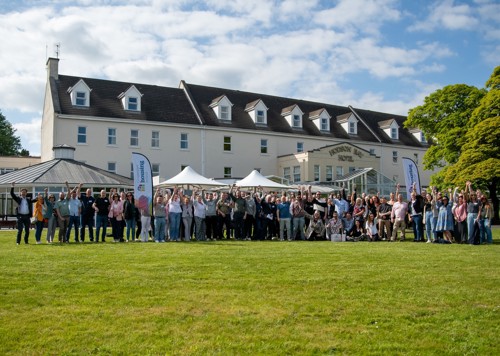
The challenge was significant. Historically, lettings performance was constrained by fragmented oversight, inconsistent processes across housing teams, and limited mechanisms to resolve blockages in local authority nomination pathways. This contributed to extended void periods, operational pressure on staff, and delays for applicants awaiting housing. Recognising the need for fundamental change, a specialised team was created with responsibility for oversight, training, process improvement and external engagement.
A cornerstone of this work has been the comprehensive revamp of our lettings policies and procedures. Outdated guidance was reviewed and rewritten to provide clear, standardised processes. New procedures now guide decision-making, define roles and responsibilities, and establish consistent service expectations. This has brought clarity and confidence to staff, reduced variation in practice, and created a strong foundation for accountability and continuous improvement.
To ensure these changes translated into day-to-day practice, the team introduced a structured training programme for all staff involved in lettings. This included induction support, refresher training and dedicated team sessions focused on policy application, systems integration and customer engagement. Investing in staff capability has improved consistency, reduced processing errors and strengthened the experience for applicants navigating the allocations system.
Performance oversight has also been strengthened. Quarterly monitoring and reporting were introduced for the first time, enabling data-led management of the lettings pipeline. This allows early identification of emerging risks, targeted intervention where performance dips, and evidence-based decision-making. As a result, the service has shifted from reactive problem-solving to proactive performance management.
Partnership engagement with local authorities has been another key success factor. The team embedded regular liaison meetings, shared performance reviews and clear escalation routes for resolving blockages in nomination and allocation processes. Where delays or complex cases arise, concerns are now raised promptly and addressed collaboratively. This has strengthened relationships, improved transparency and reduced avoidable delays in the lettings process.
The combined impact of these initiatives has been significant. Throughout 2025, lettings performance has shown sustained improvement. Void turnaround times have reduced, allocation throughout has increased and backlog pressures have eased. Internally, staff report clearer ownership, stronger morale and confidence in the new operating model. Externally, partner feedback reflects improved responsiveness, professionalism and trust in service delivery.
Most importantly, these improvements deliver tangible benefits for Member Tenants and communities. Homes are relet quicker, reducing vacancy times and enabling individuals and families to access secure housing without unnecessary delay. Stronger oversight and partnership working ensures vulnerable applicants receive coordinated support, while robust policies reduce the risk of service failure.
Through embracing change, challenging established practice and maintaining a relentless focus on outcomes, the Neighbourhood Lettings Team has delivered a sustainable improvement in organisational performance and a stronger, more dependable housing service for our partners, communities and, most importantly, the people we house. This strengthened approach to partnership working has been independently recognised by Dublin City Council.
Dublin City Council’s overall experience of dealing with Co-operative Housing Ireland in respect of lettings and allocations has been very positive. Dublin City Council have an excellent working relationship with Co-operative Housing Ireland. Co-operative Housing Ireland have demonstrated a good understanding of Dublin City Council Allocation policies and engage proactively with the Allocations Team to progress nominations in a timely manner. Co-operative Housing Ireland consistently demonstrates exceptional professionalism with effective communication, contributing to a smooth allocation process.
The transition of Member Tenants to their new properties is managed seamlessly by Neighbourhood Specialists in Co-operative Housing Ireland, reflecting their excellent planning, co-ordination, and a strong commitment to ensuring a smoother and positive experience for all new Member Tenants.
Outcomes and achievements
The restructure of the lettings service and creation of the Neighbourhood Lettings Team has delivered measurable improvements in performance and service delivery. Housing Alliance quarterly data shows clear progress between 2024 and 2025. By quarter three of 2025, average re-let times reduced from a 2024 yearly average of 45 days to 37 days, improving void turnaround and reducing vacancy loss. New-let performance saw greater gains, with average letting times reducing from 31 days in 2024 to 16 days by quarter three of 2025, almost a 50 per cent reduction, enabling applicants to access housing significantly sooner.
Efficiencies have been realised through reduced void days and void rent loss, delivering direct financial savings and improving income stability. Faster re-letting has reduced periods where properties sit empty, lowering associated operating costs and risks, including security, maintenance and insurance exposure.
Delays for nominees have reduced, improving service flow and access to housing. Standardised policies, structured training and quarterly performance monitoring have strengthened consistency, accountability and staff confidence, while faster turnaround has addressed public concern around homes appearing left idle.