


Scotland Housing Awards 2026
Read all the shortlisted entries into this award category, Excellence in Customer Service, at the Scotland Housing Awards (SHA) 2026 and find out who won the award on the night.
In a rapidly changing environment, the need to deliver excellent service is more important than ever. This award recognises housing teams who go above and beyond to deliver truly outstanding customer service.
This award was sponsored by Elderpark Housing Association.
Winning project name
Here to Help
Winning organisation
Blairtummock Housing Association
Statement of support
Here to Help Initiative – Delivering Outstanding Customer Service
In 2025, BHA identified a growing challenge affecting both tenants and the organisation. Properties were increasingly being returned at the end of tenancies in poor condition, leading to significant repair costs and highlighting issues that could have been addressed much earlier. The Management Committee, made up of tenants, recognised the need for a more proactive approach that would protect housing stock while improving outcomes for residents.
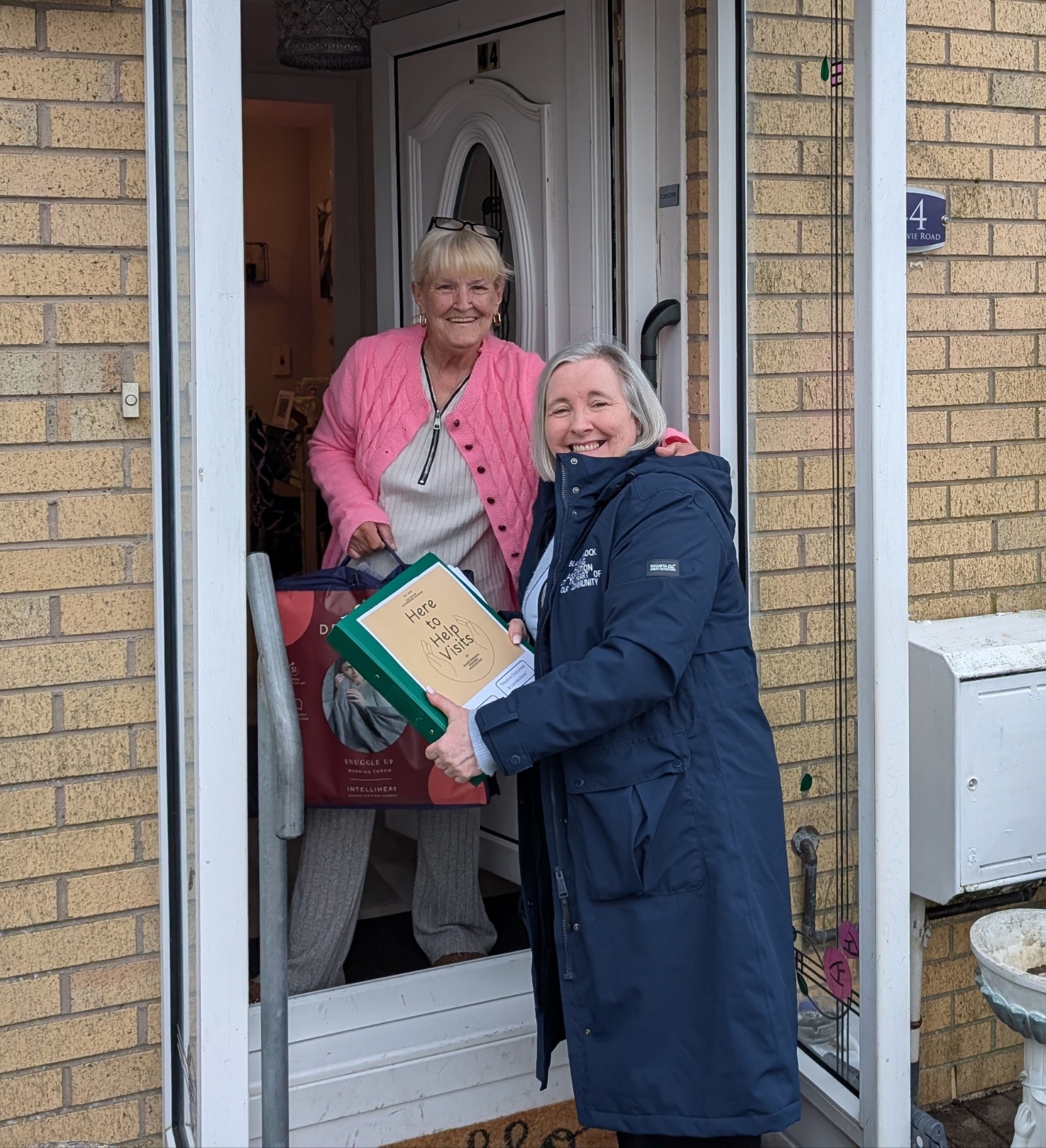
Initially conceived as an annual house inspection programme, staff highlighted that a traditional inspection model could feel intrusive and discourage engagement. Using this insight, BHA redesigned the approach around tenant wellbeing, support and relationship-building, creating the Here to Help Initiative.
Rather than focusing solely on property condition, Here to Help provides a supportive annual home visit that helps identify unmet needs, build trust and connect tenants with appropriate services before problems escalate.
The initiative is centred on early intervention and personalised support. Visits cover a wide range of topics, including financial wellbeing and benefit maximisation, fuel poverty, home safety, repairs, damp and mould, occupational therapy referrals, home contents insurance, energy efficiency, and access to community resources. Tenants are also connected to local groups and support networks that help reduce isolation and improve wellbeing.
A key strength of the project is the commitment and approach of BHA staff. Visits are delivered in a positive, empathetic and non-judgemental way, creating an environment where tenants feel comfortable discussing concerns they may never otherwise raise. Staff have built strong partnerships with welfare rights advisers, occupational therapists, fire safety services, health and social care partners, and community organisations to ensure tenants receive timely and coordinated support.
The project has been particularly successful in reaching residents who rarely contact the association. Traditionally, housing providers spend much of their time supporting a relatively small number of tenants with high levels of need. Here to Help has enabled BHA to engage with the wider tenant population, uncover hidden issues and ensure that those who “don’t want to bother us” are not overlooked.
Customer feedback demonstrates the exceptionally high standards achieved:
- Ninety-three per cent of tenants were very satisfied with their Here to Help visit
- Ninety-four per cent said the visit made a positive difference to their household
- Ninety-nine per cent felt more supported by BHA after the visit
- Ninety-eight per cent said the visit helped address issues or concerns they had.
Helped to speak to someone from BHA, getting information that you wouldn't have known about otherwise.
Great, gave me information and help and resources I had no idea were available to me.
Very helpful and got us help to sort finances.
Following the visit, a repair was quickly completed in my flat and I received support with my electricity. Since the visit I have been contacted by the other agencies who BHA referred me to and received information that is beneficial to me and my family. I can't thank BHA enough for their time and understanding.
The project continues to evolve through continuous improvement. A key lesson learned was the importance of reducing no-access appointments. BHA now aligns Here to Help visits with annual gas servicing appointments, making engagement easier for tenants and increasing access rates. Satisfaction surveys are issued after referrals and follow-up actions have been completed, ensuring feedback reflects the full customer journey and helping shape future improvements.
What began as a response to property condition concerns has evolved into an innovative customer service model that strengthens relationships, builds trust and delivers meaningful outcomes. By listening to tenants, empowering staff and focusing on early intervention, BHA has transformed a routine housing service into an outstanding customer experience.
Outcomes and achievements
The Here to Help Initiative has transformed annual home visits into a proactive support service that delivers measurable benefits for tenants and the wider community.
Following the first 200 visits, the project has achieved:
- More than £476,000 in financial gains for tenants through welfare advice and income maximisation
- Ninety-seven referrals to specialist services, including welfare rights, money advice, occupational therapy, fire safety, language learning and community support organisations
- Three-hundred-and-ninety fuel vouchers distributed to households experiencing fuel poverty
- One-hundred-and-sixty-one energy-saving household items provided, including air fryers, heated blankets and high-tog duvets
- Eighty-five Rainbow Fund payments awarded to tenants facing financial hardship
- Early identification of repairs, damp, mould, hoarding concerns and fire risks, improving home safety and preventing property deterioration.
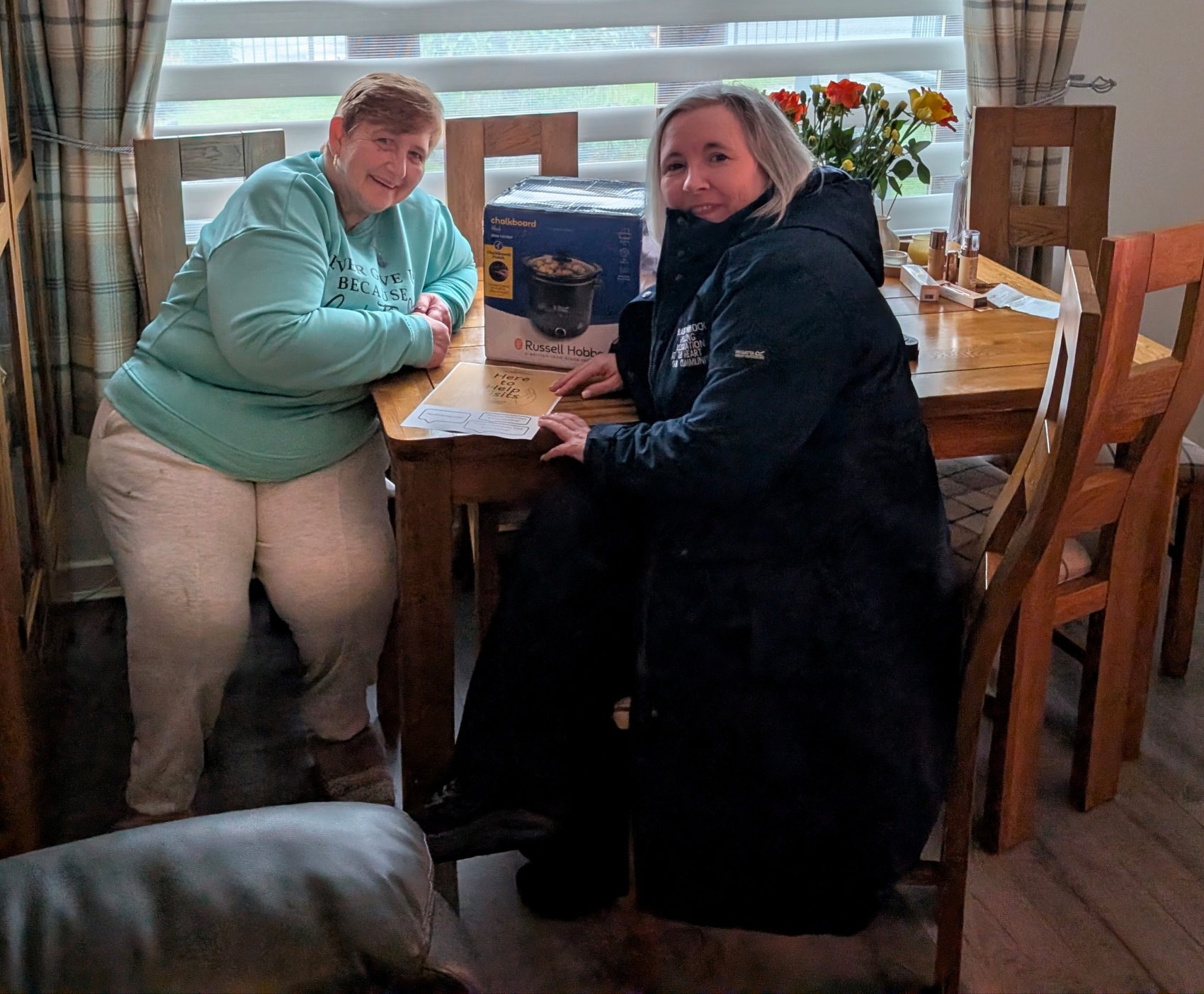
The project has also strengthened trust between tenants and BHA, increased engagement with support services and improved overall wellbeing. Most importantly, it has enabled the association to reach tenants who may otherwise remain unseen, ensuring they receive support before challenges become crises.
Tenant feedback shows the initiative is highly valued, delivering an excellent customer service with 94% of residents reporting a positive impact on their household and 99% feeling more supported by BHA following their visit.
Shortlisted entries
Cassiltoun Housing Association - Cassiltoun Connects
Application entry
- Project name: Cassiltoun Connects
- Lead organisation: Cassiltoun Housing Association
Statement of support
What is Cassiltoun Connects?
At Cassiltoun Housing Association, excellent customer service means more than responding when tenants contact us. We believe in proactively reaching out to customers, understanding their circumstances and identifying issues before they become problems.
Cassiltoun Connects was developed to strengthen relationships with tenants and ensure no resident falls through the cracks. Through planned home visits, staff take the time to carry out property checks, identify repairs, discuss tenants' wellbeing, raise awareness of available services and connect people with the support they need.
The initiative reflects Cassiltoun's commitment to delivering person-centred services, building trust with customers and improving outcomes for both tenants and their homes.
What is Cassiltoun Connects trying to address?
Through customer feedback, housing management activity and lessons learned from the COVID-19 pandemic, Cassiltoun recognised that many tenants were experiencing challenges that were not always visible through traditional service delivery methods.
Whilst tenants would often report repairs when they became serious, the project creates the opportunity to identify issues earlier, preventing inconvenience, distress and additional costs. At the same time, many residents were facing wider challenges including:
- Social isolation and loneliness
- Financial pressures arising from the cost of living crisis
- Poor physical or mental health
- Digital exclusion
- Lack of awareness of support services available through the association and partner organisations.
Cassiltoun recognised that some of the tenants most in need of support were often those least likely to contact the association. Waiting for customers to approach the association was no longer enough. What was needed was a proactive approach that would allow a better understanding of tenants' experiences and provide support before concerns escalated.
Engaging with residents and responding to their needs
Cassiltoun Connects was designed around a simple principle: go to the customer rather than expecting the customer to come to the association.
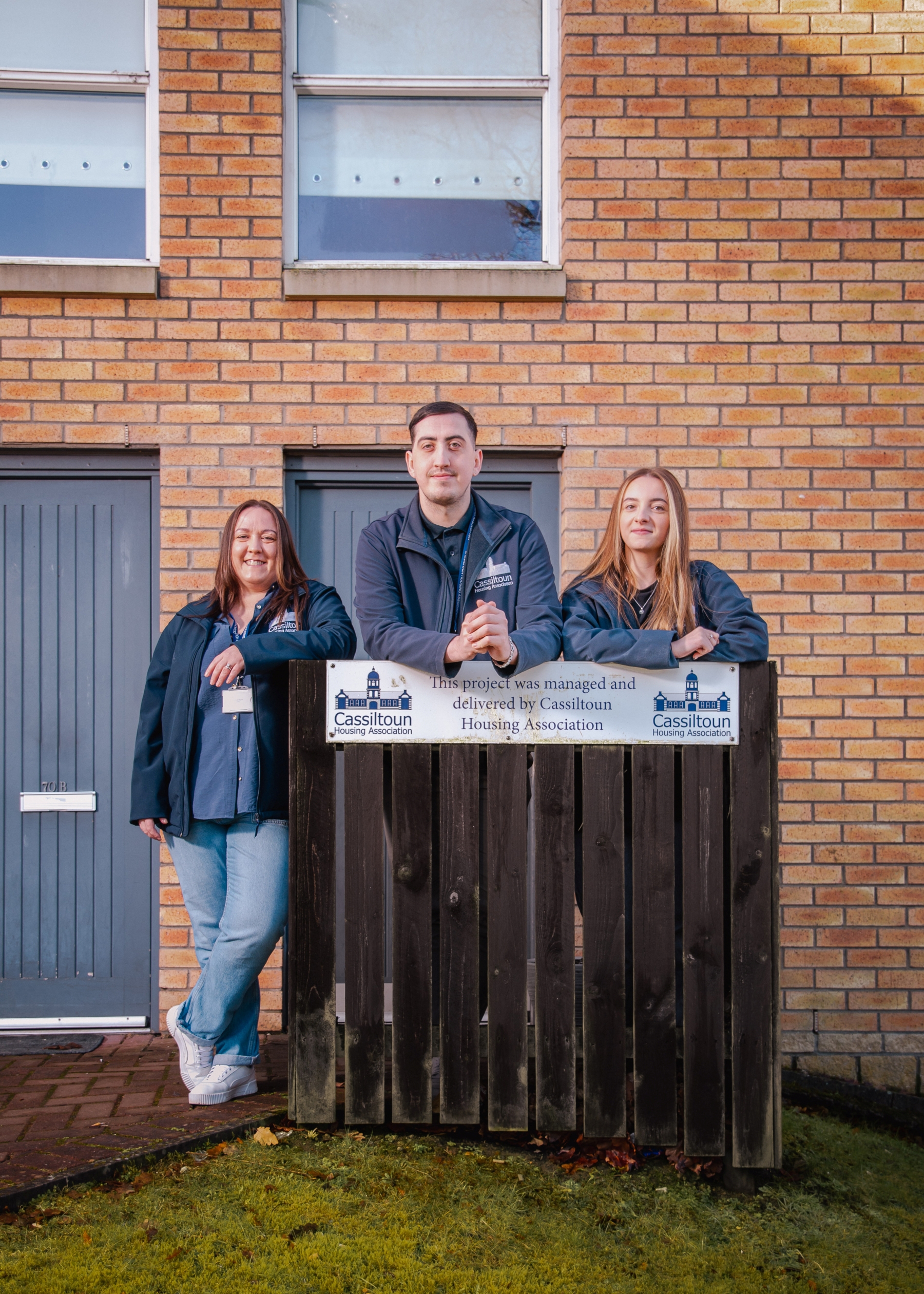
Dedicated staff visit tenants in their homes and spend meaningful time with each resident. These visits are not simply inspections; they are opportunities to have genuine conversations and understand how tenants are managing within their home and community.
During each visit, staff:
- Carry out a comprehensive property check
- Identify and report repairs that may not have been reported by the tenant
- Discuss the condition of the home and any concerns the tenant may have
- Conduct a welfare and wellbeing conversation
- Provide information on services available through Cassiltoun Housing Association
- Signpost residents to relevant internal and external support organisations
- Identify opportunities for additional support or intervention
- Encourage greater participation in the association through joining focus groups or the board.
A key element of the programme's success has been the approach taken by staff. Visits are carried out in a friendly, respectful and non-judgemental manner, ensuring tenants feel comfortable discussing concerns they may not otherwise raise.
Rather than focusing solely on housing issues, staff take a holistic view of the customer experience. Conversations can lead to referrals for welfare advice, community activities, employability support, digital inclusion services, health and wellbeing programmes or specialist partner organisations.
This person-centred approach ensures tenants receive support tailored to their individual circumstances.
Outcomes and achievements
Tenants appreciate having dedicated time with staff and value the opportunity to discuss issues in the comfort of their own home. They tell the staff that they feel listened to, respected and genuinely cared for during the visits. Many have commented that the service demonstrates that Cassiltoun Housing Association is interested in them as people, not simply as tenants.
Outcomes achieved through the programme include:
- Early identification of repair and maintenance issues
- Increased tenant awareness of available support services
- Earlier intervention for residents experiencing difficulties
- Improved engagement with vulnerable tenants
- Enhanced customer satisfaction and trust
- Increased referrals to specialist support services
- Stronger relationships between tenants and housing staff.
Feedback from tenants has been overwhelmingly positive:
- "It was good to have someone take the time to ask how things were and see if I needed any help."
- "The visit identified repairs I hadn't reported and got them sorted quickly."
- "I didn't know about many of the services available. The visit helped me access support that has made a real difference."
The personal nature of the visits has helped build confidence and trust, particularly amongst tenants who may otherwise have limited engagement with services.
Harbour Homes - Tenant Advice Service
Application entry
- Project name: Tenant Advice Service
- Lead organisation: Harbour Homes
Statement of support
Identifying an issue of concern for tenants
Harbour Homes is Leith’s biggest registered social landlord managing over 3,000 tenancies in North Edinburgh. One challenge front line staff have identified is that new tenants, particularly those coming from a homeless background, can face difficulty turning an empty social rent property into a home.
For new tenants, the cost of carpeting and furnishing a new home is a barrier, particularly to those on low incomes. This difficulty can be further compounded when tenants have no prior experience of managing a home, or where they have had previous experiences of failed tenancies.
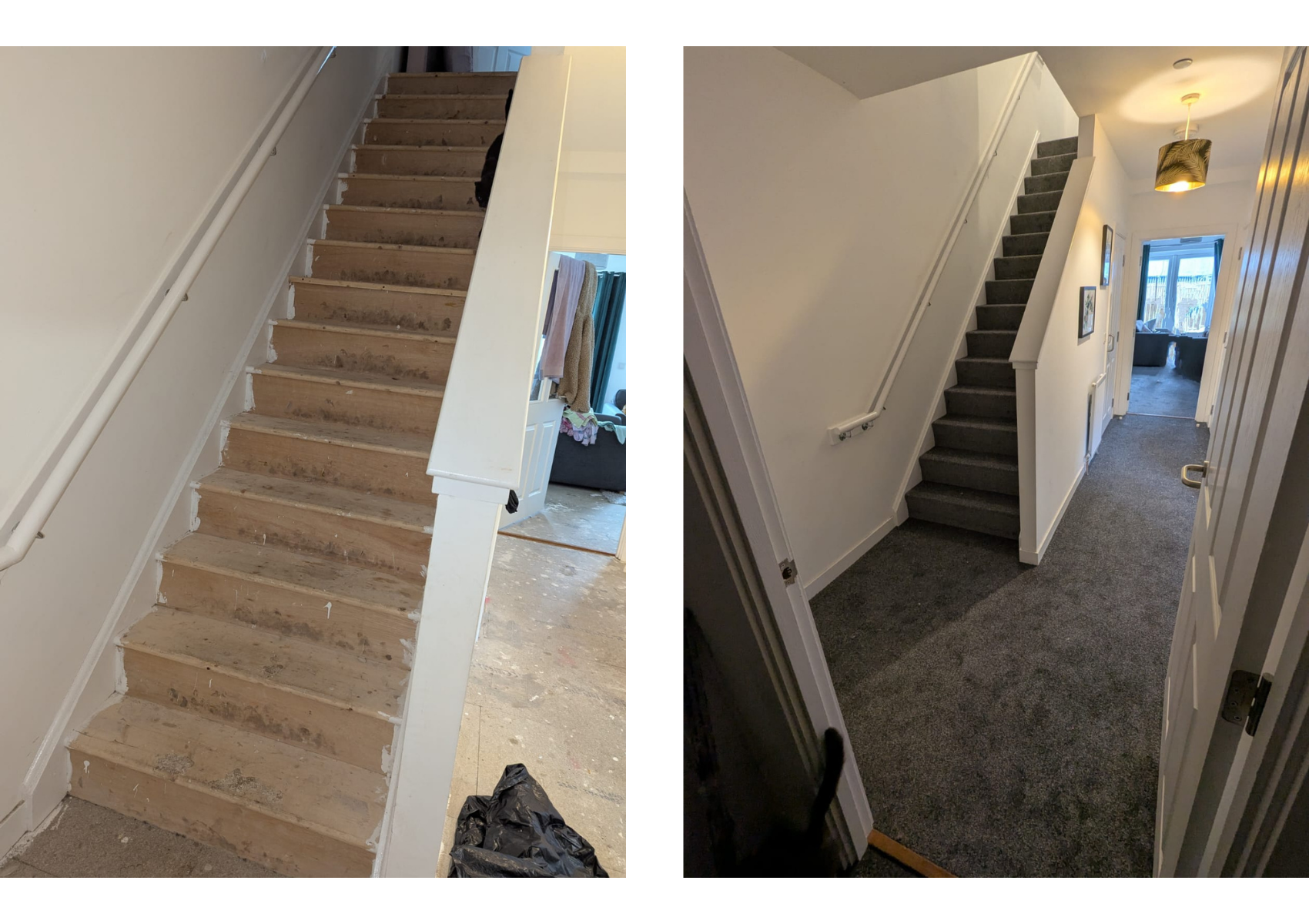
Once the tenancy is established, a related issue of concern is tenancy sustainment. Further support may be required to ensure tenants can manage the upkeep of their home both practically and financially. For example, Harbour Homes has identified tenants who have struggled to replace higher cost goods. This means they live with white goods or furniture that are no longer suitable for use. Other tenants struggle with health issues, both mental and physical, that can impact the upkeep of their home.
Responding with early intervention by the Tenant Advice Service
When determining the best way to engage with tenants, Harbour Homes’ Tenant Advice Service established an early intervention approach.
New tenants
All new tenants are contacted within the first month of their tenancy to identify any needs they may have and to offer a variety of services to them.
Tenancy sustainment officers make contact to ensure tenants have appropriate flooring, white goods and furniture. Grant applications are discussed and applied for where suitable. Tenants are also made aware of the team’s welfare rights officers who can assist with any benefit enquiries or applications. This proactive approach can help prevent the accumulation of rent arrears at the start of a tenancy. The Tenant Advice Service also has a money advice officer who can assist with budgeting and other financial issues identified in these early visits.
Households in established tenancies
For tenants identified as struggling to manage their household, the Tenant Advice Service takes a joined up approach and responds with practical help. The welfare rights officers assist with new and existing benefit claims, often making tenants aware of options they didn’t know were available to them. Tenancy sustainment officers have a vast directory of local services and support agencies that they help tenants to access. This includes support with mental and physical health, dependency issues, community involvement and befriending services. The money advice officer can advise tenants on income maximisation, budgeting, navigating changes in household income, and the full range of debt relief options available.
Ensuring a high standard of service delivery
The team believe that providing a holistic service enhances the customer experience and minimises stress that can be associated with having to engage with multiple agencies. The team actively encourages, where appropriate, cross-team referrals with other front-line staff at Harbour Homes to ensure that multiple issues can be addressed together.
To ensure a high standard of service delivery, the service offers a selection of options to best suit tenants’ individual circumstances. This includes office appointments, home visits, email and telephone advice, and more recently a new drop-in service. The Tenant Advice Service is also proactive in advising tenants of any upcoming changes that may affect them. This can be done via the tenant magazine, the website or social media.
Outcomes and achievements
Customer feedback
The service has received a high percentage of positive feedback from service users. Seventy per cent of respondents were very satisfied, and 30% satisfied with the service they received. Ninety per cent of respondents said the service received helped make a difference to their situation. One-hundred per cent reported being kept informed throughout the process. Likewise, 100% of respondents felt the service was easy to access and would recommend the service to others. This feedback is used to shape changes to the service and forms part of the annual service delivery plan.
The service received 198 individual referrals in 2025/26. Five-hundred-and-twenty-seven separate client cases were opened across the various services. The team achieved financial gain back to service users of £427,960
Lessons learnt
It has become apparent that offering a one stop holistic service is beneficial to Harbour Homes tenants. This can be evidenced by the number of cases that are generated by each referral. Advisers often find that the presenting issue is part of a larger more complex series of difficulties experienced by service users. Cross team referrals mean that service users have access to a wide range of advice and assistance, this negates the needs for multi-agency visits.
Castlehill Housing Association – Digital Switchover: Your Home, Your Choice
Application entry
- Project name: Castlehill Housing Association – Digital Switchover: Your Home, Your Choice
- Lead organisation: Castlehill Housing Association
Statement of support
Castlehill Housing Association's 'Your Home, Your Choice' project demonstrates excellence in customer service during one of the most significant changes affecting older people living in social housing in recent years.
The national move from analogue to digital telephone services created a major challenge for tenants living in 21 Independent Living schemes across Aberdeen City, Aberdeenshire and Moray. Many residents relied on community alarm systems connected through analogue telephone lines and were concerned about how the changes could affect their safety, independence and ability to access help in an emergency.
Castlehill Housing Association recognised that this was not simply a technology project. Through conversations with tenants, feedback from staff and ongoing engagement activities, it became clear that many residents were worried about losing a service they had trusted for many years. Tenants wanted clear information, reassurance and support to help them understand their options and make informed decisions.
In response, Castlehill Housing Association developed the 'Your Home, Your Choice' project. The project placed tenant wellbeing, communication and choice at the centre of every decision. Rather than taking a one-size-fits-all approach, the project team recognised that each resident had different needs, levels of confidence and support networks. The aim was to ensure every tenant felt informed, supported and empowered throughout the process.
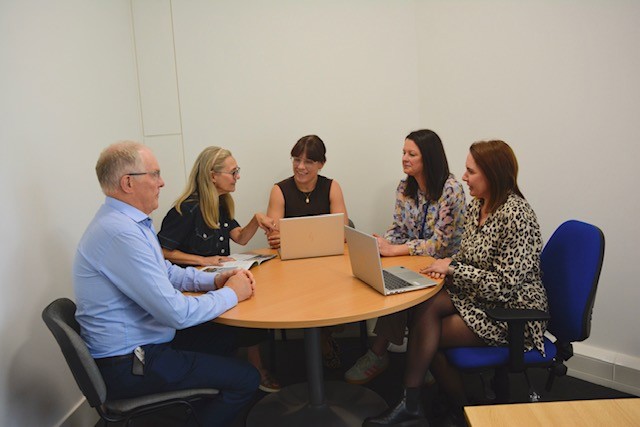
A twelve-month programme of communication and engagement was delivered to ensure tenants received information in a way that suited them. This included meetings in every Independent Living scheme, information leaflets, frequently asked questions, individual support sessions and ongoing assistance from scheme staff. Residents were given opportunities to ask questions, discuss concerns and receive practical support to explore alternative alarm services and technology solutions. Roadshow events enabled tenants to learn about the changes, view equipment and speak directly with service providers.
Throughout the project, staff demonstrated patience, empathy and professionalism. Conversations focused on what mattered most to residents: maintaining safety, independence and peace of mind. Information was provided in clear, accessible language and support was tailored to individual circumstances. This approach built trust and ensured tenants felt listened to, respected and supported throughout the transition.
The project demonstrated a strong commitment to customer choice. Rather than directing residents towards a single solution, tenants were supported to consider a range of options and decide what best met their needs. This ensured customers remained in control of decisions affecting their homes and support arrangements.
The project successfully delivered the transition away from analogue alarm systems across all 21 Independent Living schemes. Residents selected a range of solutions, including local authority alarm services, private alarm providers, wearable devices and other technology options. Some residents chose alternative arrangements after considering the information available to them.
Tenant feedback demonstrated the success of the approach. Eighty-two per cent of respondents understood why the change was taking place, while 66% rated communication from Castlehill Housing Association as excellent. The project also increased awareness of technology options and improved confidence in making decisions about future support arrangements.
Jennifer Swinswood, Housing Services Manager, said: "The 'Your Home, Your Choice' project demonstrates what can be achieved when a team combines technical expertise with genuine care for the people they serve. Throughout a complex period of change, the project team remained focused on ensuring tenants felt informed, listened to and supported. Their collaborative approach not only delivered a successful transition from analogue alarm systems but also strengthened tenant confidence, choice and independence."
Most importantly, Castlehill Housing Association transformed a potentially disruptive and worrying change into a positive customer experience. By listening to tenants, adapting support to individual needs and maintaining strong relationships throughout the process, the organisation ensured residents remained informed, engaged and in control of decisions affecting their homes and wellbeing. The project demonstrates how meaningful engagement, accessible communication and a person-centred approach can deliver outstanding customer service during a period of significant change.
Outcomes and achievements
The 'Your Home, Your Choice' project successfully supported tenants through the transition from analogue to digital telephone services across 21 Independent Living schemes in Aberdeen City, Aberdeenshire and Moray. The project achieved full implementation of the digital switchover programme while ensuring residents remained informed and supported throughout the process.
The project enabled tenants to make informed decisions about future alarm arrangements. Residents selected solutions based on their individual needs, including local authority alarm services, private alarm providers, wearable devices and other technology options. Some tenants chose alternative arrangements after considering the information and support available.
Customer feedback demonstrated strong levels of understanding and engagement. Eighty-two per cent of respondents understood why the changes were taking place, 67% requested support to apply for a digital alarm service and 66% rated communication from Castlehill Housing Association as excellent.
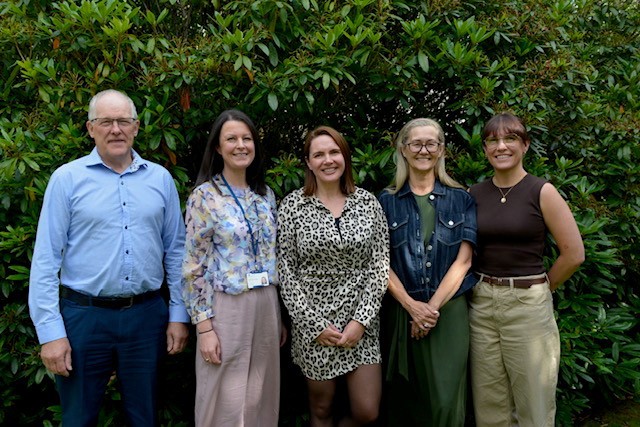
Mhorag Ewen, Director of Housing Services, said: "What makes this project so special is not simply that the team delivered a successful digital transition, but how they delivered it. They understood that for many residents this was about much more than technology. Through patience, empathy and genuine partnership with tenants, the team ensured residents felt informed, supported and empowered throughout the journey."
The project increased tenant confidence, strengthened relationships and improved awareness of available support options.
Muirhouse Housing Association - Healthy Homes, Heard Voices
Application entry
- Project name: Healthy Homes, Heard Voices
- Lead organisation: Muirhouse Housing Association
Statement of support
Delivering outstanding customer service is at the heart of Muirhouse Housing Association’s (MHA) approach to managing damp and mould. We recognise the significant impact damp and mould can have on residents’ health, wellbeing and quality of life. In response, we have developed a proactive, resident-centred service that combines rapid intervention, professional expertise, clear communication, practical support and innovative technology to deliver lasting solutions and positive customer outcomes.
When a tenant reports damp or mould, the case is prioritised immediately. Property inspections are completed within three working days, ensuring tenants receive a prompt response and reassurance that their concerns are being taken seriously. This early intervention allows us to identify the root causes of problems quickly, reducing the risk of further deterioration and preventing issues from escalating.
Our approach focuses on understanding and resolving the underlying causes rather than simply treating visible symptoms. Trained staff undertake a comprehensive assessment of each property, considering factors such as condensation, ventilation, heating, occupancy patterns and building defects. Following the inspection, a tailored action plan is developed, which may include repairs, ventilation improvements, environmental enhancements or other targeted measures designed to create a healthier and more sustainable living environment.
A key strength of the service is our commitment to communication and customer engagement. Following every inspection, residents receive a personalised letter outlining the findings, proposed actions and expected timescales. Practical advice on managing moisture, ventilation and heating is also provided, ensuring tenants are fully informed and empowered to help prevent future issues. This transparent approach builds trust, promotes shared responsibility and ensures customers remain at the centre of the process.
To provide ongoing support and reassurance, MHA installs the Aico HomeLINK environmental monitoring system in affected properties. This innovative technology continuously monitors humidity and temperature levels, providing valuable insight into how homes are performing over time. Through a dedicated tenant app they can access real-time information, helping them better understand their home environment and make informed decisions that support healthier living conditions.

The introduction of HomeLINK has transformed our service from a reactive response to a preventative, data-led model. Real-time environmental monitoring enables early identification of emerging issues, allowing us to intervene before problems become more serious. This improves outcomes for tenants, reduces disruption, minimises future repair costs and supports informed asset management decisions.
The impact of this approach is reflected in our performance. We achieve 100% inspection of damp and mould reports within three working days, maintain an average resolution time of five days, achieve 100% completion within target timescales, and have recorded zero repeat damp and mould reports within a twelve-month period. Every tenant reporting damp and mould receives tailored advice and support, while customer satisfaction with the service stands at 100%.
Most importantly, tenants tell us they feel listened to, supported and reassured throughout the process. By combining responsiveness, expertise, innovation and genuine customer care, MHA has created a service that not only resolves damp and mould issues quickly but also improves health, wellbeing and confidence in our services. Our approach demonstrates how housing providers can move beyond reactive repairs to deliver preventative, customer-focused solutions that create healthier homes and better outcomes for residents and transform lives for good.
Outcomes and achievements
Our enhanced damp and mould service delivers measurable benefits for residents and the association. All reports are assessed within three working days, ensuring concerns are addressed quickly and professionally. Early diagnosis and targeted remedial works enable faster resolution, reduce the risk of recurring issues and improve overall property conditions.
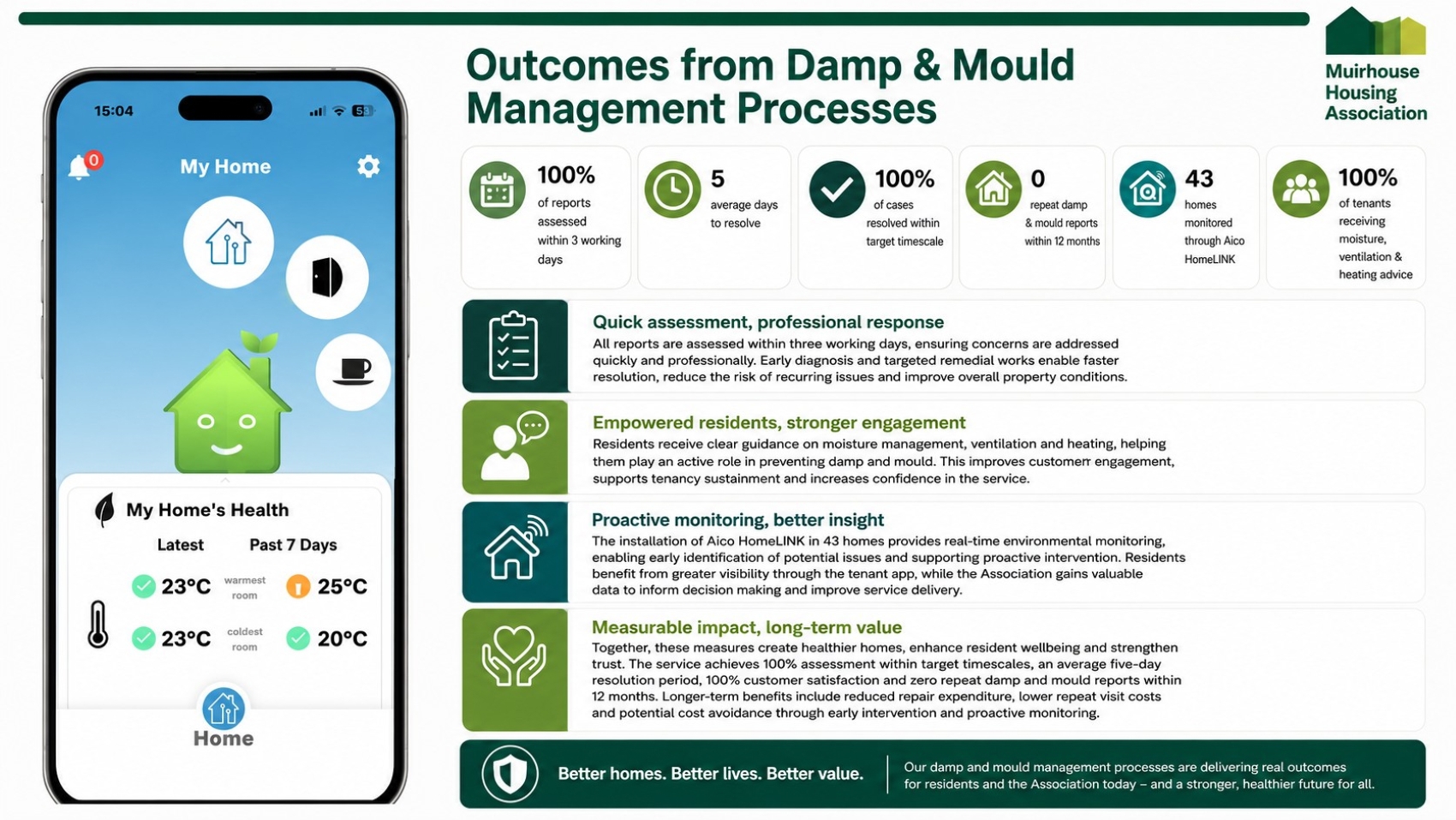
Residents receive clear guidance on moisture management, ventilation and heating, helping them play an active role in preventing damp and mould. This improves customer engagement, supports tenancy sustainment and increases confidence in the service.
The installation of Aico HomeLINK in 43 homes provides real-time environmental monitoring, enabling early identification of potential issues and supporting proactive intervention. Residents benefit from greater visibility of conditions within their homes through the tenant app, while the association gains valuable data to inform decision making and improve service delivery.
Together, these measures create healthier homes, enhance resident wellbeing and strengthen trust between tenants and the association. The service achieves 100% assessment within target timescales, an average five-day resolution period, 100% customer satisfaction and zero repeat damp and mould reports within 12 months. Longer-term benefits include reduced repair expenditure, lower repeat visit costs and potential cost avoidance through early intervention, proactive monitoring and delivering excellent customer service.
Homes for Good - Serving customers through relationship-based tenancy sustainment
Application entry
Statement of support
Serving customers through relationship-based tenancy sustainment
Homes for Good is Scotland’s first social enterprise landlord and letting agency, managing more than 600 homes across Glasgow, Ayrshire and the South of Scotland. Its customer service model combines high-quality property management with relationship-based tenancy sustainment, exceptional landlord support and a commitment to helping people often excluded from the private rented sector (PRS) access and sustain safe, secure homes.

The issue
Scotland is in a housing crisis. Many people who come to Homes for Good have been homeless, lived in unsafe or unstable housing, or struggled with poverty, ill health or loneliness. Too often, landlords turn them away – often when they’re ready to make a tenancy work. And even when they do get a home, they're left to cope alone, until small problems build into a crisis and the tenancy falls apart.
Homes for Good is different. We say yes where others say no.
Our tenancy sustainment team gets there first. They spot the problems early and work alongside tenants before a crisis hits. We work closely with every tenant to understand their life and shape support around it: help with money and benefits, sorting paperwork, connecting people to specialist services, or simply being someone who listens without judgement.
Our staff don't just manage tenancies. They, most importantly, build relationships that are grounded in kindness, respect and consistency. This is vital to ensure every tenant feels valued, not judged.
Brian’s story shows this approach in practice. While undergoing cancer treatment, Brian received a wealth of practical and emotional support from Tenancy Sustainment Manager Jacqueline Frew, including transport to hospital appointments, help with benefit applications and moral support.
Brian: “I’m just grateful I’ve got someone like Jacqui. The personal touch has been brilliant.”

This commitment to going above and beyond reflects the culture throughout Homes for Good, where staff support tenants before problems become crises, helping them sustain successful long-term tenancies.
Homes for Good regularly witnesses tenants rebuilding confidence, managing their finances independently, accessing employment, education and healthcare and creating settled homes after years of instability. Sometimes the biggest outcomes are found in seemingly small moments. For example, a tenant catching a bus on their own for the first time after living with severe anxiety.
Homes for Good’s commitment to lasting relationships extends equally to its landlords. Successful tenancies rely on informed, supported landlords who trust their letting agent. Through regular drop-in sessions and webinars, delivered with SafeDeposits Scotland, the Homes for Good team provides practical advice on property management, sustaining successful tenancies and the changing legal landscape. This approach has built a loyal landlord base while continuing to attract new landlords.
Long-standing Homes for Good landlord, Alice: “The whole ethos of Homes for Good appealed very much to me. I want my money to work hard, but being a decent landlord is also important. I think Homes for Good gets that balance right.”
Alongside its tenancy sustainment work, Homes for Good has raised more than £25 million in social investment, brought hundreds of empty homes back into use and developed initiatives including Love Home and a weekly tenant art class, helping reduce isolation, build confidence and strengthen communities.
Homes for Good demonstrates that outstanding customer service based on a relationship-based approach to tenancy sustainment can not only reduce homelessness and housing inequality but also create more secure, longer-lasting tenancies.
Outcomes and achievements
Homes for Good manages more than 600 homes across Glasgow, Ayrshire and the South of Scotland, including over 360 owned properties. Almost 90% of tenants in its owned portfolio are on low incomes, receiving benefits or in education, while 59% moved from homelessness or hidden homelessness, demonstrating the company’s ability to support people facing significant barriers to accessing the PRS.
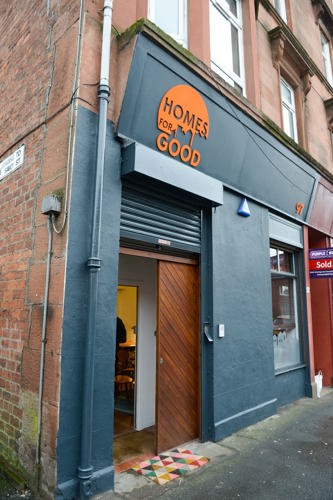
Its relationship-based customer service model has contributed to an average tenancy length of 3.2 years across the owned portfolio, reflecting the success of proactive tenancy sustainment and early intervention. Beyond sustaining tenancies, Homes for Good works with tenants to ensure the next step on their housing journey is a positive one.
Homes for Good also provides company lets for organisations including Right There, Simon Community Scotland, the Tara Project and Mears, supporting people experiencing homelessness, domestic abuse, addiction and poverty to access secure accommodation.
Homes for Good has successfully expanded into Ayrshire and the South of Scotland, while its partnership with Crisis, Good Place Lettings, has adapted this model in London. By 2029, Homes for Good aims to manage 1,000 homes, raise a further £20 million in social investment and establish an Impact Endowment Fund to secure long-term social impact.
Horizon Housing Association - Customer Experience Transformation
Application entry
- Project name: Customer Experience Transformation
- Lead organisation: Horizon Housing Association
Statement of support
The Comment That Changed Our Approach
A customer once told us: "Call me back when I ask you to." This simple request exposed a wider issue: trust depends on doing what we promise, communicating clearly and keeping customers informed. It became the catalyst for one of Horizon’s most significant customer service improvement programmes.
Understanding what customers were really telling us
During 2024/25, Horizon identified a growing issue: increasing complaints and declining customer confidence. While complaints represented only a small proportion of customer interactions, we recognised that every complaint reflected a customer who felt we had not met our standards.
Rather than focusing only on complaint numbers, we wanted to understand the root cause. We contacted customers who had complained asking what we could have done differently. We also analysed every complaint received over an 18-month period, using Pareto analysis to identify the small number of issues responsible for the majority of complaints.
The findings were clear. Delays in responding to customers and lack of regular communication accounted for most complaints. Different customers were raising different issues, but the message underneath was consistent: keep us informed, follow through on commitments.
Designing the solution with customers
We took the evidence directly to our Residents Improvement Group (RIG), made up of Horizon tenants, and asked them to challenge our thinking. RIG members reviewed data, considered customer feedback and unanimously identified communication as the single most important area for improvement.
Working with RIG, we strengthened our customer service standards. The revised standards placed greater emphasis on responsiveness, proactive updates and keeping customers informed. They reflected what customers told us mattered most: knowing who was dealing with their enquiry, understanding what would happen next and receiving updates without having to repeatedly chase.
Turning insight into action
Horizon understood what needed to change. The challenge was ensuring the whole organisation stayed focused on what customers had told us mattered most.
We brought together managers and frontline teams to develop a clear improvement plan. Rather than attempting to fix everything at once, we used the Four Disciplines of Execution methodology to focus organisational effort on the actions most likely to improve customer experience.
We established one wildly important goal: reduce formal complaints by 20%, from 93 to 74, by March 2026. To achieve this, we identified two lead measures directly linked to communication and customer experience. These were monitored every week for a full year, with teams holding regular accountability discussions, reviewing progress and agreeing actions to remove barriers.
The difference customers felt
The results exceeded expectations. Horizon set out to reduce complaints by 20%. Instead, complaints fell by 46%, from 93 to just 50. Complaints per 100 homes reduced from 13 to seven, while customer satisfaction with repairs increased from 87% to 93%.
Customers felt more informed and more confident that Horizon would deliver on its commitments. RIG members also reported hearing that customers felt listened to and better informed throughout the process.
A lasting change in culture
The programme delivered more than a short-term performance improvement: staff listened differently, used feedback more actively and took greater ownership of the customer journey. Customer insight became a driver of decisions and service improvement. The same disciplined approach was applied to repairs, helping reduce average non-emergency repair times from nine days to 6.8 days during 2024/25 and we used this same methodology in 2022/23 to reduce complaints from 153 to 97, improving repairs satisfaction from 81% to 89%.
One customer’s request to “call me back when I ask you to” changed how Horizon listens, communicates and follows through. By turning customer insight into clear standards, focused measures and weekly accountability, we achieved fewer complaints, stronger trust and transformed customer experience.
Outcomes and achievements
Project outcomes and achievements
Customer insight: Customers who had complained were contacted and asked what Horizon could have done differently.
Root cause analysis: Every complaint received over an 18-month period was analysed using Pareto Analysis.
Resident co-production: Residents Improvement Group reviewed the evidence and identified communication as the single most important area for improvement.
Improved service standards: Customer service standards were strengthened around responsiveness, proactive updates and keeping customers informed.
Clear improvement target: Wildly important goal set to reduce formal complaints by 20%, from 93 to 74, by March 2026.
Complaints reduction: Complaints reduced from 93 to 50, achieving a 46% reduction and significantly exceeding the original 20% target. Three-year transformation, complaints reduced by 67% from 153 to 50.
Complaint rate improvement: Complaints per 100 homes reduced from 13 to seven. Transformation over the last three years reducing from 22 to seven.
Repairs satisfaction: Customer satisfaction with repairs increased from 87% to 93%. Transformed over the last three years from 81% to 93%.
Customer experience: Customers reported feeling more informed, receiving updates more consistently and having greater confidence that Horizon would deliver on commitments.
Sustainable improvement: The methodology has since been applied in other service areas, including complaints in year two, repairs in year two, where complaints were reduced from 153 to 97 in 2023/24 and average non-emergency repair times reduced from nine days to 6.8 days during 2024/25.
East Ayrshire Council - Transforming Housing Services Through Trauma Informed Practice and Co-location
Application entry
- Project name: Transforming Housing Services Through Trauma Informed Practice and Co-location
- Lead organisation: East Ayrshire Council
Statement of support
Against the backdrop of Scotland's Housing Emergency and the increasing emphasis on prevention within housing policy, East Ayrshire Council's housing services have delivered a significant transformation by embedding trauma-informed practice and redesigning how services work together to prevent homelessness and sustain tenancies.
Rather than responding reactively to homelessness and tenancy breakdown, housing services took a deliberate decision to focus on culture first. Recognising that homelessness, rent arrears, anti-social behaviour and tenancy failure are often rooted in trauma, poverty and inequality, the service committed to embedding a trauma-informed Culture of Care across housing before extending prevention activity more widely.
Housing services comprise over 200 staff across specialist teams including neighbourhood housing, housing options, housing support, anti-social behaviour, homeowners services and policy and strategy. Prior to 2024, these teams operated across several locations. While effective in delivering core services, opportunities existed to strengthen collaboration, improve communication and intervene earlier when households began to experience difficulties.
Since 2022, housing services have been on a deliberate trauma-informed journey, recognising that customer experience, tenancy sustainment and homelessness prevention are intrinsically linked. In partnership with Homeless Network Scotland, a bespoke Culture of Care programme was developed and delivered to frontline housing teams. The programme equipped staff with the knowledge, confidence and practical skills required to adopt trauma-informed, strengths-based approaches that prioritise dignity, prevention and person-centred support.
A key element of the programme was helping staff understand homelessness prevention and tenancy sustainment as shared responsibilities. Rather than viewing prevention solely as the role of housing options, all housing teams were encouraged to identify risks earlier, have preventative conversations and take action before issues escalated into crises.
The programme also challenged how language is used within services. Staff were supported to move away from deficit-based and "othering" terminology and adopt more respectful, person-centred language. This cultural shift has helped strengthen relationships with customers, build trust and encourage earlier engagement with services.
The move to a co-located workspace in 2024 provided the practical environment needed for this culture to flourish. By bringing housing options, neighbourhood housing, housing support and anti-social behaviour teams together, barriers between services were removed and collaboration became part of everyday practice. Staff can now resolve issues in real time, share expertise and coordinate responses quickly, ensuring customers receive a seamless service rather than having to navigate multiple teams.
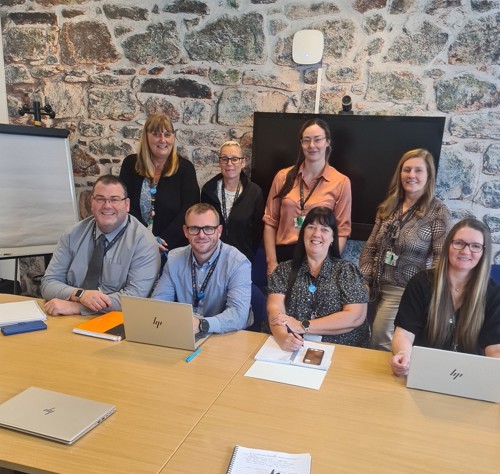
Listening to lived experience has also been central to the transformation. Senior managers regularly engage with care-experienced young people to understand how services are experienced in practice. Feedback from young people directly influenced a review of rent arrears correspondence after one young person described receiving arrears letters as "really stressful" and "terrifying". Housing Services subsequently redesigned communications to ensure they were clearer, more supportive and trauma-informed, reducing anxiety and promoting earlier engagement.
The success of this approach is reflected in the confidence and capability of staff. Culture of Care evaluation demonstrated that 96% of participants reported increased confidence in their role, while 82% reported improved awareness of local support services. Staff consistently report feeling more connected, supported and better equipped to manage complex situations.
This strong foundation subsequently enabled East Ayrshire Council to become one of only 15 local authorities selected to participate in the national Ask and Act homelessness prevention pilot. This reflects a workforce that is already prevention-ready, trauma-informed and confident in delivering early intervention.
By aligning culture, practice and organisational structure, East Ayrshire Council has created a housing service that is more responsive, collaborative and customer focused. Most importantly, customers now experience a service that seeks to prevent problems rather than respond to crises, helping more people remain safely and successfully in their homes
Outcomes and achievements
The transformation of housing services has delivered measurable improvements for customers, communities and staff.
Since embedding a trauma-informed Culture of Care and introducing co-location, East Ayrshire Council has achieved:
- A reduction in homelessness applications from 1096 in 2022/23 to 835 in 2025/26
- Repeat homelessness of just 0.7%, compared to the national average of 4%
- An increase in overall tenancy sustainment from 88.6% in 2022/23 to 90.8% in 2025/26
- Increased homelessness prevention and tenancy sustainment activity across all housing teams.
The Culture of Care programme has also strengthened workforce confidence and capability, with 96% of staff reporting increased confidence in their role and 82% reporting improved awareness of available support services.
Co-location has improved collaboration between teams, enabling earlier intervention, quicker decision-making and more coordinated responses for customers experiencing difficulties. Staff now work collectively to identify risks, address issues before they escalate and sustain tenancies wherever possible.
Customer feedback has directly shaped service improvements, including the redesign of housing correspondence to reduce stigma and anxiety.
Most importantly, the transformation has created a more compassionate, trauma-informed and prevention-focused housing service, ensuring customers receive earlier support, improved experiences and better outcomes while helping more people remain safely and successfully in their homes.
Wheatley Group - Shaping ‘Making homes and lives better 2026-31’ - Designing Services Around Real Lives
Application entry
- Project name: Shaping ‘Making homes and lives better 2026-31’ - Designing Services Around Real Lives
- Lead organisation: Wheatley Group
Statement of support
At Wheatley, we believe excellent customer service starts by listening. Through our engagement, more than 6,000 customers helped shape our new Making homes and lives better 2026–31 strategy. We achieved this, smashing our original 2000 target, through a digital campaign including video content and invitation to comment on our social channels, surveys promoted and sent directly to customers depending on their contact preferences, community conversations, engagement events, scrutiny activities and Stronger Voices consultations. We checked what we thought were customers' priorities, and our response to this, collecting free-text feedback on "what’s missing" to ensure our five-year plan addresses what our customers told us matters most:
- Safety and security - customers want to feel safe in their home and neighbourhood
- Invest in existing homes - customers want quality, comfort, and energy efficiency
- Transform communication and customer contact - excellent communication creates trust and satisfaction
- Continue to improve the repairs experience - customers want consistent, high-quality, and timely repairs completed right first time
- Create pride in place - enhance local environments which matter to wellbeing
- Keep rents fair and transparent - customers want to feel their rent is affordable and value for money
You can read more about how the ambitious customer engagement shaped our five-year strategy on our website, where we launched with video content as per customer feedback.

This was not a one-off consultation exercise. Customer insight is embedded throughout service design, policy development and continuous improvement activity across Wheatley. We are committed to ensuring the customer insight informs 100% of our customer-facing project and policy reviews.
For example, we use customer feedback from local engagement, annual tenant visits and complaints insight, as well as insights gained from Equality Impact Assessments and service reviews to understand what matters most to customers and identify where we can improve.
Recent policy review engagement on safeguarding and arrears emphasised the importance of clearer language, recognising different needs and vulnerabilities, earlier support and more personalised communication. As a result, policies were simplified, accessibility improved and personalised service principles strengthened throughout the framework.
We are also using technology and insight to improve customer experience. Building on customer feedback and our ambition to deliver personalised services, we are testing Natural Language Processing within our Customer First Centre to help better understand why customers contact us, identify support needs earlier and improve how services respond to vulnerability and individual circumstances.
Our annual equalities report demonstrates how we have used equity, diversity and inclusion data to inform our decision-making and strategic direction. We have used these principles to inform the refresh of our engagement framework itself, making accessibility and inclusivity a key principle. We, of course, then engaged customers on this, involving over 1,200 who gave us their thoughts which we are using to create local engagement plans. We’re also engaging customers around a key strategy priority – creating a Wheatley Standard for homes and neighbourhoods.
What makes Wheatley's approach distinctive is that customer feedback does not sit within consultation reports; it drives action. To name a few recent examples, customer insight has directly informed our strategy, engagement framework, reasonable adjustments policy, safeguarding policy suite and arrears approach, ensuring services are designed around customers' needs and experiences.
Outcomes and achievements
Customer feedback is directly shaping how Wheatley delivers services.
Through our customer engagement and equality data work, we identified that some customers were experiencing barriers when accessing services and wanted a more consistent approach to support. Customers told us that communication methods, appointments, processes and service delivery did not always reflect their individual needs, and that the support available was not always clear. With 45% of respondents to our 2022 customer equality survey identifying as having a disability, we recognise the continued need to strengthen our approach and ensure customers could access services fairly and confidently.
One example: in response, we are making services more personalised and ensuring our engagement is inclusive. These are a key strategic focus for us. A recent example of this in action is that we worked with customers to develop Wheatley's first reasonable adjustments policy.
The result is a clear, person-centred approach that makes it easier for customers to request support and for colleagues to provide it consistently. By embedding reasonable adjustments into our systems, processes and training, we are improving accessibility and ensuring customers can engage with our services in a way that works for them.

Customer influence has continued to grow at Wheatley. More than 1700 customers were involved through Stronger Voices in 2025/26 and over 6500 people engaged through community activities and consultation events.
Most importantly, customers can now see evidence that their feedback leads to action. By listening to customers, acting on what they tell us and embedding learning across the organisation, we are creating more responsive, accessible and personalised housing services that place customers at the heart of decision-making.