


Scotland Housing Awards 2026
Read all the shortlisted entries into this award category, Excellence in Housing Innovation, at the Scotland Housing Awards (SHA) 2026 and find out who won the award on the night.
This award is aimed at programmes or projects that demonstrate an innovative approach which has made a real difference to the lives of tenants or customers. This could be any new product, service, or technology – being able to demonstrate innovation is the key.
This award was sponsored by Govan Housing Group.
Winning project name
Gigha Energy Resilience Project
Winning organisation
Fyne Homes
Partner organisation
Clyde Net Zero
Statement of support
Gigha is an island of around 180 inhabitants situated off the west coast of the Kintyre peninsula. Fyne Homes developed and own 18 properties on the island for social rent, with many still having the original tenants.
Friday 24 January 2025 saw Storm Eowyn cause widespread power outages and disruption nationwide. One of the last areas in Scotland to have power reconnected was Gigha on 1 of February almost a week later. Tenants subsequently wrote to Fyne Homes about installing woodburners to provide a means of heat and cooking in the event of another storm. We arranged a drop-in session for all tenants in the Wee Isle Café in March to discuss tenant concern, with a high level of attendance and engagement. Given that the properties are new build and wouldn’t align with our net zero ambitions we did not support installation of woodburners, however we did propose a plan that would provide islanders with more energy resilience, address their inefficient heating systems and help to reduce their energy costs.
From discussions with our partners, Clyde Net Zero, we utilised ECO4 funding, coupled with funding from our own budgets to provide every property with a fully integrated renewable energy system with the capability to generate and store electricity to also use off grid should the need arise. Daikin air source heat pumps were installed to provide a more efficient heating source than the existing electric boilers. Instagen Solar PV system was installed with Tigo power optimiser fitted directly onto each panel, allowing them to operate independently and maximise generation. The integrated cloud-based monitoring enables remote performance monitoring, initiative-taking maintenance, and rapid fault identification, reducing maintenance visits to this remote island while ensuring each home continues to operate at peak efficiency. Combined with Fox EP5 battery storage (5.18kW) alongside Fox ESS EPS-BOX-SP, excess daytime solar generation can be stored for evening use, significantly increasing self-consumption, and reducing reliance on imported electricity from the grid.
As ECO4 funding only covered the installation of the solar panels and air source heat pump, to fund battery storage and off grid gateway Fyne Homes utilised gift aid funding from our subsidiary Fyne Energy which comes from profits from wind turbine generation from our wind farm in Kintyre.
Work commenced on site in September 2025 and is due to be completed in September 2026.
Adam and Lisa Murphy, 2 Grianan
We are delighted with the new heating system. It's made a massive difference to our heating - both financially and also comfort-wise. We are now able to keep the home at a comfortable temperature. The installers were extremely friendly and helpful, taking time to explain the system, answer questions and fix snags (the electrician even helped out over the weekend while he was at a wedding!). They were also very clean, tidying up after themselves perfectly which was appreciated! But now that everything is running it requires almost no input, it just seems to work! Plus, having battery storage makes us much more resilient. Since the system was installed we've only had one substantial power cut - a scheduled power cut for one day. We decided to test the system out, and we were able to run the dishwasher, laundry, the oven for several hours and keep the heating going. With more careful use, we should be able to keep going for several days. Knowing we have that degree of backup in the event of a major outage makes us feel much more secure, especially living on an island and with the previous history of power cuts.
Outcomes and achievements
Outcomes:
- Renewable innovation
- Warmer and healthier homes
- Reducing fuel poverty
- Energy resilience.
Geography shouldn’t be a barrier to innovation and combining renewable technologies with intelligent system design has created a scalable model for our social housing stock in rural and island communities. These installations have resulted in reduced carbon emissions, lowered energy bills, improved health and wellbeing, energy resilience, and a cleaner, more sustainable future for one of Scotland's unique communities.
A typical two-bedroom property's savings:
- Annual carbon savings: approximately three to four tonnes of CO₂e
- Annual energy bill savings: approximately £900–£1,400 per year
- Protection from energy price volatility.
During a planned power outage on the island, several properties reported that they were comfortably able to run their batteries in off grid mode for the full day and maintain electricity supply.
Adam and Lisa Murphy, 2 Grianan
We had a smart meter installed just shortly before the system was, and we noticed one day we were paying £35 per day for electricity. On a similarly dull, cold day, with the new system in place, it was £5 per day - and on a warm sunny day it is even less - occasionally under £1. This makes a huge difference to keeping our family afloat.
Shortlisted entries
Aberdeenshire Council - Every Case Visible, Every Tenant Heard: Transforming the Response to Damp, Condensation and Mould
Application entry
- Project name: Every Case Visible, Every Tenant Heard: Transforming the Response to Damp, Condensation and Mould
- Lead organisation: Aberdeenshire Council
Statement of support
Aberdeenshire Council’s damp, condensation and mould initiative has transformed its response to one of the most complex issues affecting social housing tenants. It is not simply a repair improvement; it is a redesigned service model that replaces a reactive, case-by-case approach with a structured, tenant-centred and data-informed way of recording, inspecting, tracking, communicating and following up on reports with care.

Damp, condensation and mould can affect comfort, wellbeing and confidence that a landlord is listening and acting. Aberdeenshire’s rural geography, varied housing stock and changing climate mean cases are rarely straightforward. The council recognised that responding well required more than individual repairs; it needed a coordinated model built around listening, early intervention, clear ownership, better information and trust.
The innovation is the combination of live data, case ownership, consistent tenant communication, planned review points and prevention. A basic spreadsheet has evolved into a SharePoint-based live dataset supported by a bespoke in-house Power App and Power BI dashboards, improving visibility of inspections, tenant contact, review dates, follow-up requirements and outstanding actions.
Before this change, visibility was fragmented and complex cases could depend on manual follow-up, individual knowledge or tenants re-contacting the service. Now, every case has a clearer status, contact history, review point and next action. Tenants receive better information about findings, works, contact routes and review arrangements, helping ensure concerns remain visible until resolved.
The model also strengthens prevention. By combining case information with stock intelligence, reporting dashboards, MobySoft damp and mould analytics and structured review meetings, the council can identify recurring themes, complex cases and risks earlier. This helps target resources, support investment decisions and understand where advice or practical action will have the greatest impact.
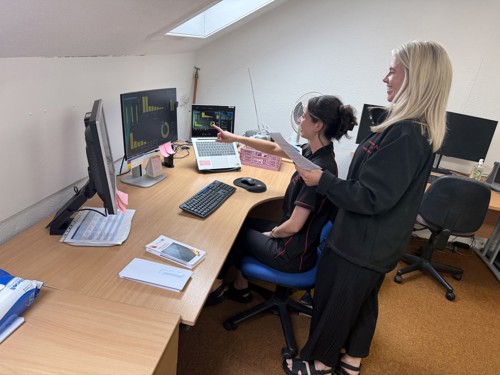
At Sheena Sharp Drive in Huntly, repeated reports of mould, condensation and ventilation concerns in new-build homes were identified as a possible pattern, not isolated repairs. Tenant reports, inspection findings, loft checks, ventilation reviews, virtual tour evidence and environmental monitoring prompted a coordinated review with the original contractor and cross-service input. This led to escalation beyond individual repairs, contractor recall activity, airflow and fan performance checks, remedial works and learning now informing wider reviews of similar new-build risks.
Delivery has been collaborative across asset management, TechHub, tenancy services, housing repairs and planned maintenance. Staff shaped procedures, training and digital tools, while tenant representatives helped improve guides, information materials and website messaging so they are clearer and more accessible. Three-month reviews keep complex cases visible and reduce the risk of tenants feeling they need to chase progress.
The results show impact at scale. Across 2024 and 2025, 2,473 damp, condensation and mould inspections were completed, with 98.3% meeting the 10-working-day target. Between September 2025 and May 2026, more than 900 investigation conclusion letters were issued within one day of inspection, giving tenants timely written updates at key stages.
The approach is sustainable and transferable because it is embedded in everyday practice, governance, staff training and continuing system development, rather than relying on one officer or short-term activity. It uses tools familiar across the sector, including SharePoint, Power Apps, Power BI, structured procedures and cross-service review, so other landlords could adapt it. It shows innovation in practice: using data, systems and partnership to listen better, respond sooner, protect homes, build trust and improve lives.
Outcomes and achievements
Aberdeenshire Council has delivered a clearer, faster and more accountable service for tenants reporting damp, condensation and mould. Across 2024 and 2025, 2,473 inspections were completed, with 98.3% meeting the 10-working-day target. Between September 2025 and May 2026, more than 900 investigation conclusion letters were issued within one day of inspection, giving tenants timely written information about findings, required actions and next steps.
The model has strengthened four key areas: speed and consistency of response; clearer tenant communication; better visibility and accountability for live and complex cases; and a stronger evidence base for prevention. Contact history, review dates, inspection outcomes and outstanding actions are now tracked consistently, supporting earlier escalation and more confident decisions.
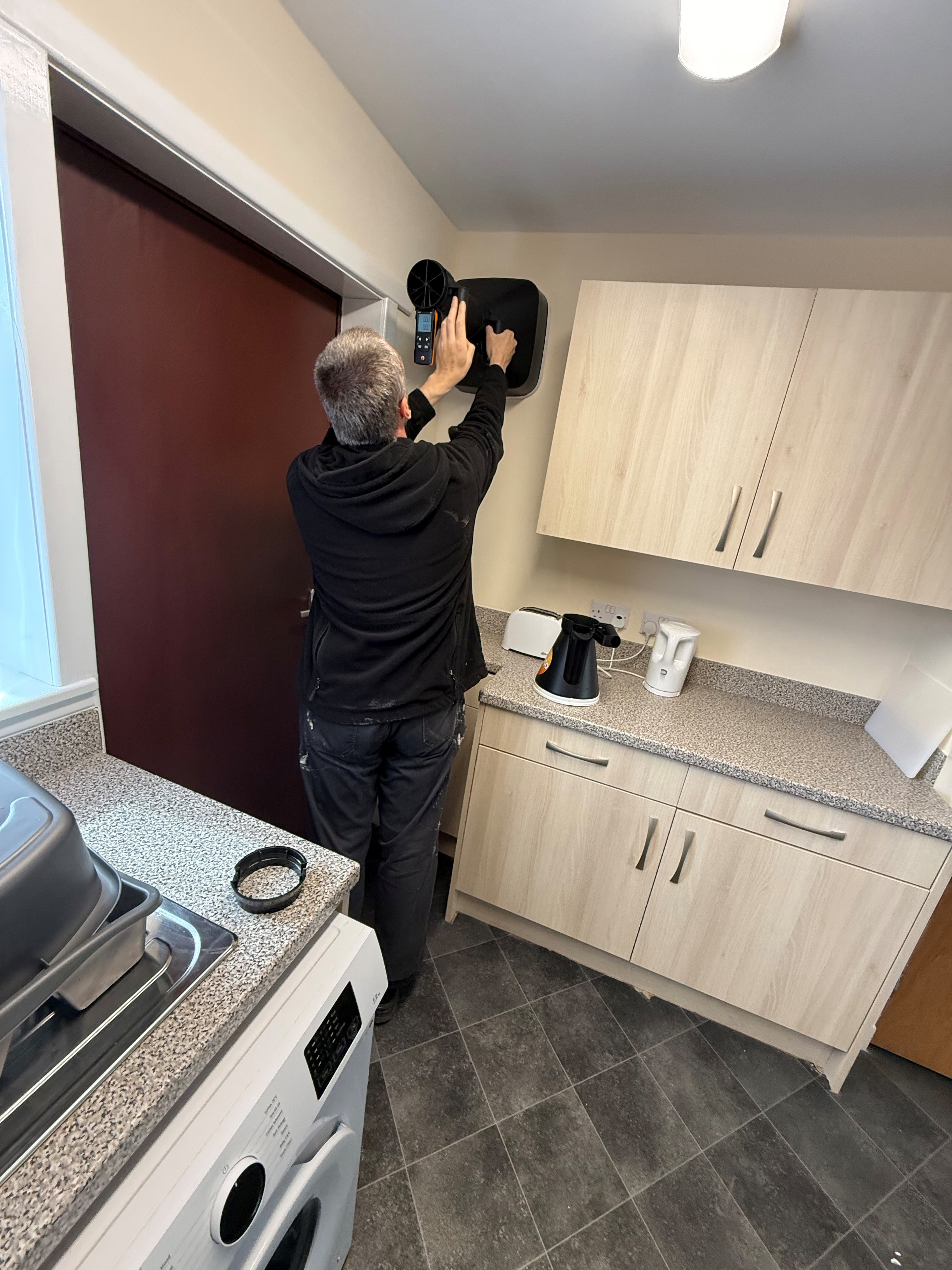
Analysis of contact records identified 572 positive or complimentary entries, with tenants recognising helpful communication, completed repairs and improved living conditions. Learning from live cases, including recurring ventilation concerns at Sheena Sharp Drive, now informs cross-service reviews, future asset planning and earlier intervention. The result is a sustainable, transferable model that improves tenant confidence, supports staff, strengthens accountability and delivers direct benefit for tenants, customers and communities.
Thriving Investments - Mid-Market Rent Fund (New Avenue Living)
Application entry
- Project name: Mid-Market Rent Fund (New Avenue Living)
- Lead organisation: Places for People
Statement of support
New Avenue Living Scotland is transforming affordable housing delivery through an innovative investment model, bringing together institutional investors, government and housing sector expertise to tackle one of Scotland's most pressing challenges: the shortage of high-quality, affordable homes for essential workers. Launched in 2019, the £222.5 million fund has pioneered a unique approach that accelerates housing delivery, supports community sustainability and creates long-term social value. The fund delivers at mid-market rent, a c. 35% discount to market rent for its 2,400 customers.
New Avenue Living Scotland was created to address a significant gap in the housing market. Many essential workers are increasingly priced out of suitable homes near employment opportunities while remaining ineligible for social housing. Traditional affordable housing delivery models alone cannot meet the scale and pace of demand. Through an innovative forward-funding approach, New Avenue Living acquires and converts stalled market-sale developments into affordable rental homes, increasing supply and bringing homes to market more quickly.
The project’s innovation lies in its combination of social purpose and institutional investment, bringing together a diverse partnership including Strathclyde Pension Fund, Scottish National Investment Bank, Nationwide Pension Fund and Places for People Scotland (PfPS). This collaboration enables long-term investment into affordable housing while delivering stable returns linked to inflation, demonstrating that social impact and commercial sustainability can work hand in hand.
The fund's place-based strategy focuses on locations within commuting distance of Scotland's major city centres, providing essential workers with affordable homes near employment, services and transport links. Aimed at low- and middle-income households (customers have an average income of £23,000), homes are let at below market rents through mid-market rent and rent tenure models. This reduces housing costs for customers while improving financial security and quality of life.
The impact on communities has been substantial. Across 12 developments on Scotland’s central belt, the fund operates 1,047 homes, with a further 144 under construction. These homes provide secure, high-quality housing for people who might otherwise struggle to live in high-demand areas. Customers can remain in the communities they know and love but would otherwise be priced out of. One customer from Seacole Square, Edinburgh, echoed this:
“I belong to the Craigmillar area and when I saw these flats being built, I thought this would be the perfect place to stay…everything is on your doorstep”.
By creating new housing opportunities close to jobs and services, the project supports economic participation, strengthens local communities and helps employers attract and retain essential workers. This helps to maintain economic diversity, preventing lower and middle-income households being displaced from areas experiencing growth and regeneration.
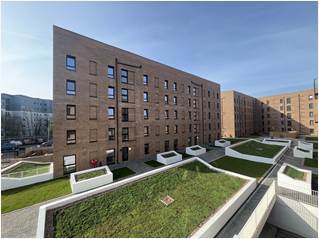
Sustainability has been embedded into the project from the outset. The fund delivers high-quality, sustainable and energy-efficient homes, all built to an EPC-B rating. This helps customers reduce energy consumption and household bills while supporting wider environmental objectives. All homes have also been developed on brownfield land, protecting urban green spaces. This commitment to measurable impact has been recognised through the award of the Financial Conduct Authority's Sustainability Impact label, reflecting the project’s positive social and environmental contribution through provision of affordable, energy-efficient housing.
This project demonstrates innovation in housing by finding new ways to mobilise investment, accelerate delivery and create lasting social impact. Combining institutional capital, government support and housing expertise, the fund has created a scalable and sustainable model capable of delivering more than 1,000 affordable homes while generating tangible benefits for customers, communities and investors alike.
Through its pioneering approach, proven outcomes and strong sustainability credentials, New Avenue Living Scotland is making a real difference to people's lives and setting a new benchmark for innovative affordable housing delivery.
Outcomes and achievements
The New Avenue Living Fund has delivered significant benefits for customers, communities and the wider Scottish economy. By providing affordable, high-quality homes for essential workers, it enables residents to live close to employment, services and transport links while supporting the long-term sustainability of local economies. The fund has generated £68.3 million in resident income, with £56.1 million of disposable income spent in local retail and leisure economies, helping key workers remain within the communities they serve.
Community investment has been integral to the fund's success. At Oxgangs Green, Edinburgh, PfPS secured a £2,000 donation for local social enterprise Best Bib ‘n’ Tucker, funding a six-month eco-crafting project for young people. In Glasgow's Royston Road community, PfPS awarded £1,500 to the North Glasgow Community Initiative and is co-hosting a community volunteering day to encourage local people to take ownership of communal and green spaces, strengthen community bonds and promote environmental stewardship.
The fund has also supported approximately 2,090 full-time equivalent construction jobs and generated £500 million of investment in Scotland's construction sector. By combining innovative funding, measurable social impact and environmental sustainability, New Avenue Living provides a scalable model for delivering affordable homes and creating thriving communities.
North Lanarkshire Council - Connection & Creativity: Reimagining Homelessness Prevention Through Co-production and Creativity
Application entry
- Project name: Connection & Creativity: Reimagining Homelessness Prevention Through Co-production and Creativity
- Lead organisation: North Lanarkshire Council
- Partner organisation: Simon Community Scotland
Statement of support
The Connection & Creativity Pilot demonstrates that innovation in housing is not always about creating new services. Sometimes the greatest innovation comes from rethinking how support is delivered and empowering people experiencing homelessness to shape solutions for themselves. Through a partnership between North Lanarkshire Council and Simon Community Scotland, the project tested an innovative, flexible and co-produced approach that placed wellbeing, social connection and personal aspiration at the centre of homelessness prevention.

People experiencing homelessness often face challenges beyond the absence of a home, including social isolation, low confidence, poor wellbeing and limited opportunities to participate in community life. Traditional approaches frequently focus on crisis intervention and accommodation. The project sought to test a different approach, recognising that confidence, connection and meaningful participation are essential foundations for long-term stability and positive outcomes.
With an investment of only £8,600, North Lanarkshire Council enabled Simon Community Scotland to develop a flexible test-and-learn model that empowered participants to identify activities and opportunities based on their own interests and aspirations. Rather than delivering a fixed programme, the pilot adapted continuously in response to participant feedback and choices. This co-produced approach increased engagement, ownership and participation while ensuring activities were relevant and meaningful to those involved.
Funding supported over 25 activities and wellbeing opportunities, including kayaking, fishing, horse riding, theatre visits, football matches, zoo trips, creative workshops, social activities and accredited First Aid training. The innovation was not the activities themselves, but the way they were used to strengthen relationships, improve wellbeing and create opportunities for personal growth and development.
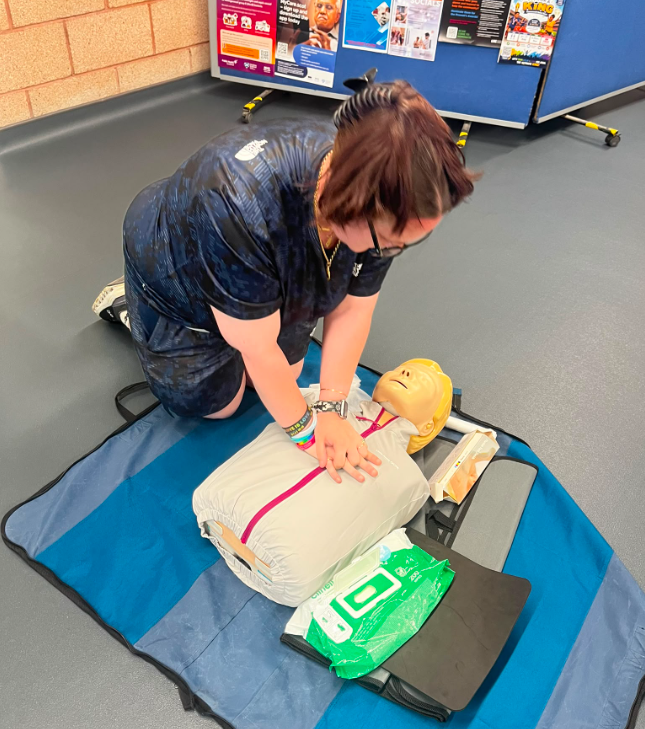
The project also created a lasting legacy through investment in resources that continue to benefit residents beyond the life of the pilot, including mobile phones, fitness equipment, creative materials and a greenhouse. These are not one-off purchases but long-term assets that continue to support participation, learning, wellbeing and social connection. Several participants have continued hobbies and interests independently using the confidence, skills and resources developed through the project.
Participants consistently reported improvements in confidence, wellbeing and social connectedness. Staff observed stronger relationships, greater engagement with support services and increased willingness among participants to try new experiences, develop skills and build positive routines. Shared activities helped break down barriers, creating opportunities for meaningful engagement and stronger trust between participants and support staff.
The pilot demonstrates that small-scale, flexible investment can achieve significant social impact. It offers a practical, cost-effective and replicable model that challenges traditional approaches to homelessness support and demonstrates how co-production, creativity and meaningful engagement can contribute to improved outcomes. The project provides valuable learning for future service design and shows that innovation does not have to be complex or expensive to deliver transformational change.
Outcomes and achievements
The Connection & Creativity Pilot successfully tested an innovative, co-produced approach to homelessness prevention and housing support. Through an investment of £8,600, the project delivered more than 25 participant-led activities and wellbeing opportunities tailored to individual interests and aspirations. Participants reported improved confidence, enhanced wellbeing, reduced social isolation and stronger social connections. Staff observed improved engagement with support services, stronger trusted relationships and increased participation in new opportunities.
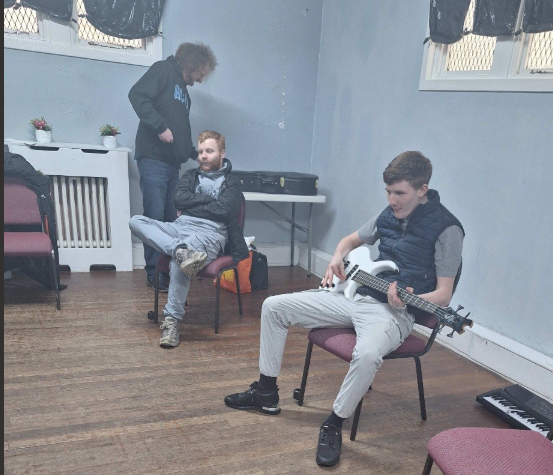
The pilot created a lasting legacy through investment in mobile phones, fitness equipment, creative resources and a greenhouse that continue to benefit current and future residents. Accredited First Aid training provided practical skills, increased confidence and opportunities for future volunteering, training and employment.
Most importantly, the project demonstrated that relatively small, flexible funding can deliver substantial social impact. The pilot has generated a practical and replicable model which shows how co-production, creativity and meaningful participation can strengthen wellbeing, improve engagement and support long-term positive outcomes for people experiencing homelessness.
The City of Edinburgh Council - A New Model for High-Rise Fire Safety
Application entry
- Project name: A New Model for High-Rise Fire Safety
- Lead organisation: The City of Edinburgh Council
- Partner organisation: Harmony Fire
Statement of support
Fire safety should not be managed as a cycle of identifying and closing isolated actions. The high-rise management and investment team within The City of Edinburgh Council wanted a more proactive model: one that considers the building as a whole, connects fire strategy with long-term asset management and protects the integrity of that investment beyond handover.
New and innovative ways of working
The City of Edinburgh Council and Harmony Fire developed an evidence-led approach across 30 of the council’s high-rise blocks. Rather than treating each Fire Risk Assessment action in isolation, the partners brought existing fire strategies, compartmentation evidence, building typologies and targeted site investigation together into one evidence base. In eight weeks, this created a validated view of life-safety risk across the portfolio and enabled a direct route towards delivery, cutting an estimated two years from the conventional consultant-led design and mobilisation process.
Three innovations underpin the approach. First, commercial: design and build capability was embedded within an SBCC Measured Term Contract, creating one joined-up route through design, building warrants, installation, compliance, certification and sign-off.
Second, product assurance: the programme uses fully tested 60-minute timber fire doorsets certified to EN1634 Parts 1, 2 and 3, providing clear traceability from specification through to installation.
Third, future-proofing: passive fire works were designed around the building’s future use, not simply today’s defects. Protected service routes, additional penetrations, fire collars and sleeves create defined paths for future utility installations, reducing the risk of subsequent works compromising completed compartmentation and protecting the council’s investment.
Improving service delivery and quality
Accurately modelled and jointly validated scopes have created a ‘no surprises’ approach, with learning from each building incorporated into the next. Quality assurance, certification and programme control are managed digitally through SafetyCulture and Smartsheet, supporting continuity from design through to handover and contributing to the council’s wider golden-thread requirements.
The programme is projected to reduce a ten-year modernisation journey to around four years and deliver £20 million in savings.
Best practice and community wellbeing. The programme is designed to work for every stakeholder after handover, not simply at the point works are completed. The partners have co-developed building management guidance, an awareness-raising programme for front-line staff and a resident education campaign so that fire doors, compartmentation and protected service routes are understood and maintained by everyone who interacts with the building.
Works are delivered in occupied homes with weekly notice-board bulletins, resident engagement evenings and daily concierge liaison, with three minor issues across the first 172 flats completed, and approximately 98% resident satisfaction.
This whole-building approach also considers the people and contractors who will interact with these assets in future. The aim is to maintain safe stay-put conditions, protected escape routes, safe access and evacuation for emergency services, and compartment lines that remain intact throughout the life of the building.

The innovation is not a single product or intervention, but a different way of managing building safety: evidence-led, joined-up and designed around the whole life of the asset. It gives Edinburgh a stronger basis for safety and investment decisions than a recurring cycle of FRA actions, while creating learning that can be shared with regulators and housing providers across the sector.
Outcomes and achievements
- Eight weeks to establish a validated, portfolio-wide life-safety risk picture across 30 of the council’s high-rise blocks
- Around two years removed from the conventional design and mobilisation journey by combining retrospective fire-strategy review, compartmentation evidence and a direct route towards delivery
- £20 million of projected savings for the council, subject to final verification of the agreed baseline
- A ten-year modernisation journey projected to reduce to around four years
- Design and build responsibility embedded within the SBCC MTC, creating one joined-up route from design and building warrant through installation, certification and sign-off
- Jointly validated, accurately modelled scopes have all but eliminated variations, creating a ‘no surprises’ approach to delivery
- Fully tested 60-minute timber fire doorsets certified to EN1634 Parts 1, 2 and 3, with traceability from specification through installation
- Passive fire investment future-proofed through protected service routes, additional penetrations, fire collars and fire sleeves for future utility installations
- Approximately 98% resident satisfaction across the first 172 flats
- A transferable whole-building approach designed to protect residents, emergency-service access, escape routes and the integrity of completed works.
Curb PSL - Two Digital Solutions, One Transformational Year
Application entry
- Project name: Two Digital Solutions, One Transformational Year
- Lead organisation: Curb PSL
- Partner organisations: Link Group Ltd
Statement of support
C~urb PSL (Private Sector Leasing) delivers a highly responsive and supportive emergency accommodation service on behalf of the City of Edinburgh Council to over 1,800 households. Across the last 12 months, not only has the portfolio grown, but staff have gone the extra mile by setting out to vastly improve the speed and quality of tenant support that’s provided, with outstanding results.
Before the project:
- Tenants lacked a simple digital route to manage their tenancy
- Housing officers were restricted to office based access to our systems
- Processes could be delayed and admin heavy.
Digital solutions were needed and C~urb PSL delivered not just one - but two app launches this year whilst continuing to deliver a highly reactive and vital service . These have transformed how tenants can engage with C~urb, and how housing officers manage inspections and tenancy support, and have vastly improved the service delivery.
Collaborative working
Both projects required strong collaborative approaches, consisting of dedicated project leads, supervisors, housing officers, income and administration staff, supported by Link Group Digital Services and software provider. All parties contributed ideas, ensuring the apps were shaped by real operational and tenant needs. By working together, testing, and sharing feedback, C~urb created apps that they felt confident in promoting and delivering.
My PSL offers tenants a user friendly, self-service tenant app, available 24/7, allowing them to manage their tenancy, report repairs, view rent balances or make rental payments and access support information to assist in tenancy sustainment. Contact via the My PSL app goes directly to the right team first time, whether it be repairs, tenancy requests or more. This helps reduce email traffic and gives both staff and tenants a streamlined experience.
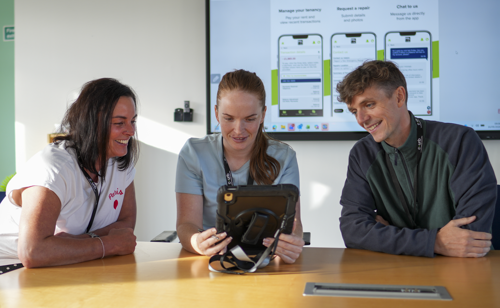
Go Mobile provides housing officers a simple mobile tool, allowing them access to housing management systems whilst working in the community with their tenants. Housing officers can complete inspections, report repairs, update tenancy information, all without the additional 'back office' admin time previously required to process through the housing management system.
Together, these apps have evolved tenant support and improved efficiency whilst enhancing the user journey at a time in tenants' lives where maximising available support is vital.
Thanks to these two innovations in how C~urb PSL delivers their service:
- Tenants who want to ‘self-serve’ can, with information going to the right team first time
- Tenants who need more support from their housing officers can get it - faster than ever - whether it be out at their home, by phone or via their app
- Staff have more time to engage with and support our most vulnerable tenants
- High take up from tenants and fast onboarding of staff was achieved by putting housing officers, administrators and other frontline staff into the heart of the digital project delivery team
- Both the tenant and staff experience is now continually improving as we develop the tenant and staff apps further.
Future development
C~urb PSL’s innovative digital transformation continues, with phase two already underway. This means expanding features in My PSL and Go Mobile, identifying increased automation opportunities, adding robust management reporting functions, and continually improving both apps based on real feedback from tenants and officers. A tenant review group is being assembled to feedback what additional functionality they would like to see in future phases of development.
Outcomes and achievements
MyPSL
- 1,907 recorded log ins to MyPSL across the first six months since its full launch in February 2026, following on from a successful marketing and roll-out strategy
- Improved customer experience has been a huge benefit, as shown in the recent tenant satisfaction survey feedback:
- “I love that I can pay my rent when it suits me”
- “Useful app that provides addresses and phone numbers for emergency assistance.”
- “Easier way to communicate and get more information.”
Go-Mobile
- 1,075 completed tenancy visits within the first three months of the launch, compared to 604 in the same period in 2025, bringing frontline face-to-face support and management to the forefront of the service
- Processing times for housing officers and administrators reduced, with 590 digital forms offering an immediate submission of requests, repairs and support
- Staff survey highlights the benefits of having the operational team at the heart of its design:
- “It’s a much smoother process when with a tenant and I don’t need to come back to the office anywhere near as much, meaning I can get through more visits” Paul Farley, Housing Officer
- “I spend more time actually supporting my tenants” Gemma Maitland, Housing Officer.
West Dunbartonshire Council - Rent Insights
Application entry
- Project name: Rent Insights
- Lead organisation: West Dunbartonshire Council
Statement of support
Rent Insights is an original, in-house innovation developed by West Dunbartonshire Council that has transformed how rent arrears are managed. In use for over two years, it has proven itself a stable, trusted part of everyday practice — improving outcomes for tenants while removing a significant commercial cost.
Like most social landlords, the council faced a persistent challenge. Arrears management was labour-intensive and reactive: officers manually reviewed large numbers of rent accounts to identify which tenancies needed attention, and much of that effort was spent on accounts that were in reality behaving perfectly normally. To help target the work, the council licensed a market leading arrears management solution at a cost of £65,000 a year.
The council believed it could manage this internally using data it already held. Rent Insights was conceived, scoped and built entirely in-house, with a business case developed and presented to the project board. At its core is a bespoke T-SQL algorithm of around 10,000 words that runs every day, categorising every tenancy by its payment behaviour and payment method and predicting the likelihood of future payments from those trends. This daily intelligence is presented through a front end which is designed around the way frontline officers actually work, and was embedded through hands-on training and implementation.
The impact on the service has been significant. Rather than officers checking accounts by hand, Rent Insights automatically manages caseloads so that around 70% of cases require no intervention, allowing housing officers to concentrate on the cases that genuinely matter. This means earlier, more focused engagement with the tenants that most need support, helping to sustain tenancies and prevent debt escalating. Feedback from the officers who use it every day has been consistently positive, and over the two years since go-live the council's arrears performance has strengthened relative to its peers, as measured through the Annual Return on the Charter (ARC).
The solution also delivers exceptional value and reliability. Because Rent Insights fully replaced the commercial product, the council cancelled that contract, saving £65,000 every year with no new licence fees, as it sits within the council's existing Integrated Housing Management System. In more than two years of live service it has proven extremely stable, with almost no downtime and only minimal internal maintenance, so the benefit is delivered year after year at very little ongoing cost.
Rent Insights reflects a wider ethos that runs through the council's housing service: building genuine in-house capability rather than relying on external suppliers. By investing in solutions built on data it already owns, the council retains the knowledge, control and flexibility to adapt as service need changes — and Rent Insights is the clearest example of the value that culture delivers.
Its significance extends well beyond a single organisation. Every social landlord manages arrears, and many pay suppliers to support management of accounts. Rent Insights shows that a council can build a self-owned solution, on its own data, that improves how officers target their effort, strengthens performance against national benchmarks and removes an ongoing cost.
Outcomes and achievements
In more than two years of live use, Rent Insights has delivered measurable benefits for both tenants and the public purse:
- Runs daily, categorising every tenancy by its payment behaviour and payment method and predicting the likelihood of future payment, so effort is always targeted using the latest data
- Automatically manages officer caseloads so that around 70% of cases require no intervention, letting housing officers focus on the cases that genuinely matter and engage earlier with the tenants that most need support
- The council's arrears performance has strengthened relative to its peers over this period, as measured through the Annual Return on the Charter (ARC) reported to the Scottish Housing Regulator
- Replaced a market-leading commercial arrears solution and cancelled its contract, saving £65,000 a year with no offsetting licence cost, and has proven extremely stable in service, with almost no downtime and minimal internal maintenance
- Consistent positive feedback from the officers who use it, delivered entirely in-house on the council's existing systems — reflecting a wider ethos of building in-house capability rather than buying repeatedly from suppliers.
Orkney Housing Association - Orkney Community Housing Bonds
Application entry
- Project name: Orkney Community Housing Bonds
- Lead organisation: Orkney Housing Association
Statement of support
At a time when housing organisations across Scotland faced increasing pressure to deliver more homes with constrained resources, Orkney Housing Association developed a groundbreaking, sector-first, Community Housing Bond that turned local investment into lasting social impact.

Orkney Housing Association's Community Housing Bond was developed to address one of the greatest challenges facing island communities: the shortage of affordable housing for local people, first-time buyers and key workers. The association recognised that traditional funding routes alone would not deliver the pace and scale of development needed to meet growing demand across Orkney. As a result, it developed an innovative community engagement and investment model that enabled local people, businesses and community organisations to become direct partners in housing delivery.
The Orkney Community Housing Bond provided an opportunity for those with a connection to Orkney to invest in the future of the islands while receiving a financial return. Rather than relying solely on commercial borrowing, Orkney Housing Association invited the community to invest directly in the creation of new affordable homes. This approach allowed local investment to remain within the local economy while helping to tackle a critical housing shortage.
The innovation was driven by a simple question: how can a community play a more active role in solving housing challenges while sharing in the benefits of housing investment?
The result is a model that delivers social, economic and housing outcomes simultaneously. Community investment is blended with traditional grant and debt funding to unlock additional development opportunities. The initial phase supported the delivery of an additional eight new low-cost home ownership properties for local first-time buyers, with future proceeds being recycled into additional affordable and key worker housing, with nine mid-market rent homes under construction presently. This created a sustainable cycle of investment that continues delivering housing benefits long after the initial bond issue.
The project represents a significant departure from conventional housing finance models. Investors are not purchasing property and receive no preferential access to housing. Instead, they become part of a collective effort to increase housing supply and strengthen communities. In doing so, the project transforms residents, businesses and organisations from passive stakeholders into active contributors to housing solutions.
The response from the community demonstrated both confidence in the association and the strength of local commitment to addressing housing need. The bond attracted almost 100 investors, including individuals, businesses and community organisations. Investments ranged from £1,000 to £35,000, reflecting exceptionally broad community engagement and support for the initiative.
The project also generated significant interest beyond Orkney. It received positive media coverage and attracted attention across the housing sector as an example of innovative thinking in affordable housing finance. The association's chief executive was invited to present the initiative at a national housing finance conference, sharing learning and demonstrating how community-based investment models can contribute to housing delivery challenges.
The Community Housing Bond aligns closely with the association's long-standing commitment to community ownership, community wealth-building, local decision-making and sustainable development. It strengthens local resilience by retaining investment, economic value and housing assets within Orkney while supporting future generations to live and work in the islands.
Most importantly, the initiative demonstrates that innovation in housing is not only about new technology or new buildings. It is about finding new ways to involve communities, unlock resources and deliver lasting solutions to housing need. The Orkney Community Housing Bond has created a pioneering model that has the potential to influence housing delivery far beyond Orkney while delivering real benefits for local people today.
Outcomes and achievements
The Orkney Community Housing Bond successfully demonstrated a new and innovative approach to funding affordable housing through direct community investment.
The initiative attracted almost 100 investors from across Orkney and beyond, including individuals, businesses and community organisations. Investments ranged from £1,000 to £35,000, demonstrating broad support and confidence in both the model and Orkney Housing Association and strong community engagement.
The funding secured has accelerated the delivery of new affordable homes, including low-cost home ownership opportunities for first-time buyers and future housing options for key workers and local residents. By blending community investment with public funding, the project has created additional development capacity and increased the pace at which housing has been delivered.
The initiative generated positive media coverage and raised awareness of housing challenges facing island communities. It has also attracted sector-wide interest, with the association's chief executive invited to present the project to other association’s boards and at a national housing finance conference as an example of innovative practice.
Most significantly, the project has created a sustainable funding mechanism that keeps investment, returns and housing benefits within the local community, offering a potentially replicable model for other housing organisations seeking innovative solutions to housing shortages.