


Scotland Housing Awards 2026
Read all the shortlisted entries into this award category, Housing-Led Approaches to Ending Homelessness, at the Scotland Housing Awards (SHA) 2026 and find out who won the award on the night.
This award celebrates projects, initiatives and organisations working to prevent or relieve homelessness in their communities.
This award was sponsored by the Scottish government.
Winning project name
Preventing Homelessness, Protecting Wellbeing: Acquiring Homes with Sitting Tenants
Winning organisation
East Ayrshire Council
Statement of support
Against the backdrop of Scotland's Housing Emergency and the growing need for preventative, supply-led solutions to homelessness, East Ayrshire Council enhanced its established property acquisition programme in June 2025 to allow the purchase of homes with sitting tenants or owners, creating an innovative homelessness prevention solution that protects health, wellbeing and housing stability while increasing council housing supply.

The council has operated a successful acquisition programme since 2017 and had acquired 265 properties by March 2026. Recognising increasing housing pressures and the growing demand for temporary accommodation across Scotland, the council identified an opportunity to use acquisitions more strategically to prevent homelessness before households reached crisis point.
The extension of the programme followed a case involving a 79-year-old tenant who had lived in his private rented home for 13 years and was at risk of homelessness after his landlord decided to retire. Rather than allowing the household to enter the homelessness system, Housing Options Services worked closely with the Homeowners (Private Sector) Service to acquire the property and grant a secure council tenancy, enabling the tenant to remain in his home.
This successful intervention demonstrated how acquisitions could be used not only to increase housing supply but also as a direct homelessness prevention measure. Following this, the Homeowners (Private Sector) Service actively promoted the opportunity to private landlords seeking to exit the sector, and acquisitions with sitting tenants became an integral part of East Ayrshire Council's homelessness prevention response.
To support delivery, new policies and procedures were developed to manage the legal, operational and practical complexities of the approach. Particular consideration was given to ensuring that property purchase, tenancy termination and the granting of a new secure council tenancy were completed seamlessly and without creating housing insecurity for tenants. New administrative arrangements were introduced to ensure a person-centred approach that reflected individual circumstances, preferences and vulnerabilities.
A key factor in the success of the initiative has been the strong partnership working between the Homeowners (Private Sector) Service, Housing Options, Legal Services and Housing Asset Services. This collaborative approach has enabled timely decision making, clear communication with tenants and landlords and consistent application of policy, ensuring acquisitions are delivered efficiently while safeguarding tenants' rights and wellbeing.
The benefits extend far beyond the prevention of homelessness itself. By enabling people to remain in homes where they have often lived for many years, the programme removes the distress and disruption associated with an unplanned move. One older couple described the acquisition as "life changing", expressing profound relief at being able to remain in the home they had occupied for 18 years. Another tenant explained that the intervention "meant the world" and avoided what would have been a highly distressing move later in life. Older people have avoided the trauma of relocation later in life, families have remained connected to schools and support networks, and individuals with disabilities or long-term health conditions have been able to remain in homes that continue to meet their needs.
Tenant feedback consistently highlights the relief of being able to stay in familiar surroundings and communities. Many tenants have also benefited from improvements undertaken following acquisition, including new kitchens, bathrooms, heating systems, rewiring and external works, enhancing both the quality of their homes and their overall wellbeing.
The initiative demonstrates how a strategic, supply-led approach can deliver meaningful homelessness prevention outcomes while also helping to address wider housing pressures. By intervening before crisis point, East Ayrshire Council has developed a sustainable model that protects health and wellbeing, reduces demand for temporary accommodation and provides long-term housing security for some of the most vulnerable households in the community.
Outcomes and achievements
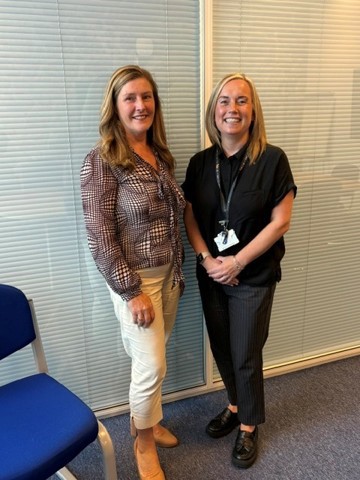
Since June 2025, East Ayrshire Council has acquired 39 properties with sitting tenants or owners, preventing homelessness for 64 individuals and enabling them to remain safely in their homes.
The programme has supported:
- Ten family households, including 15 children aged 16 and under
- Fourteen tenants aged over 65, including 10 aged over 70
- Households with an average tenancy length of 11.5 years
- Twenty households who had lived in their home for more than 10 years.
The initiative has delivered significant wellbeing benefits by preventing displacement and maintaining community connections for older people, families and individuals with disabilities or long-term health conditions. Tenant feedback highlights reduced stress, greater security and relief at remaining in familiar homes and neighbourhoods.
The programme has also generated wider housing benefits. Acquisitions have secured full ownership of 113 blocks and majority ownership of 54 blocks of flats, enabling major repairs, energy efficiency upgrades and housing improvements that benefit both new and existing residents.
Every acquisition represents a homelessness presentation that did not progress into temporary accommodation. By intervening before crisis point, the initiative has reduced demand for temporary accommodation, improved outcomes for households and demonstrated a sustainable, scalable model for homelessness prevention.
Shortlisted entries
West of Scotland Housing Association - Ready, Steady, Roots
Application entry
- Project name: Ready, Steady, Roots
- Lead organisation: West of Scotland Housing Association
- Partner organisations: Willowacre Trust, SFHA and Scottish government
Statement of support
Ready, Steady, Roots is West of Scotland Housing Association’s Scottish government/SFHA funded upstream homelessness prevention project. It turned the principle of Ask and Act into a practical, housing-led prevention model, identifying tenancy risk earlier and responding before difficulties became crisis, eviction or repeat homelessness. The project was built around a simple tenant journey: 'Ready', helping people become tenancy ready from day one; 'Steady', stabilising the home through holistic support; and 'Roots', helping tenants build local connection, confidence and belonging.

The project responded directly to the reality that homelessness prevention is rarely about one issue. Tenancy risk was often linked to rent arrears, poverty, poor mental or physical health, addiction, isolation, language barriers, poor home conditions, trauma, low confidence and difficulty navigating services. Through proactive contact, home visits, asset-based assessments and tenant-led support plans, WSHA created space for tenants to explain what was really affecting their ability to settle, sustain their tenancy and feel safe at home.
Ready, Steady, Roots supported 202 households across six local authority areas. Crucially, 66% of participants were Section 5 homeless-route tenants, meaning the project directly supported people who had already experienced homelessness and were at risk of struggling to sustain a new tenancy. It also helped established tenants where early signs suggested potential tenancy failure, including high arrears, non-engagement, poor property condition, health crisis or risk of abandonment.
The project’s strength was that WSHA did not simply 'ask' and then signpost, it built capacity to ‘act’. A dedicated officer worked alongside existing tenancy sustainment resources, housing teams, income maximisation colleagues, WSHA’s community services team and its charitable subsidiary, Willowacre Trust. Tenants were supported with welfare rights, money advice, energy advice, digital inclusion, starter packs, upcycled furniture, white goods, handyperson support, community activities, social connection, wellbeing and practical help to make their house feel like a home. A good ‘ask’ creates permission to talk about the whole situation, not just the symptom.
A key innovation was the project’s Cash First approach. This allowed WSHA to respond with dignity, pace and trust, giving tenants choice over what would make the biggest difference to their stability. 158 tenants received direct financial help alongside non-cash support and direct rent payments where that was appropriate. Help was provided with rent arrears, utility costs, food, household items, floor coverings, furniture, employment-related costs and children’s activities.
The project showed that trust and accountability can work together. In rent arrears cases, most tenants used Cash First payments, stabilising rent accounts and avoiding escalation, with a failure rate below 14% for rent. This enabled WSHA to prevent legal action or eviction risk in several acute cases, while giving tenants breathing space to engage with longer-term solutions.
The human impact was powerful. One tenant facing possible eviction, high arrears, poor health and a deteriorating home was supported through persistent outreach, welfare rights, arrears resolution, cleaning, decoration, furniture, blinds and planned investment works. Their arrears were cleared, their income increased by £60 per month, their home was transformed and trust was rebuilt. They described the support as “great” and “absolutely amazing.” Others described the project as “life changing,” “a life saver,” and the difference between having a tenancy and having “a proper home.”
Ready, Steady, Roots is award-worthy because it converted funding into lasting organisational change. Learning from the pilot has shaped WSHA’s tenancy sustainment model, including clearer referral pathways, risk triage, support planning, discretionary fund governance, KPI reporting and named responsibilities for Housing First, care leavers and tenancy flipping. It is compassionate, practical, measurable and scalable, showing how housing associations can prevent homelessness by listening early, acting quickly and helping tenants put down roots.
Outcomes and achievements
Ready, Steady, Roots supported 202 households across six local authority areas. 66% of recorded participants were Section 5 homeless-route tenants, demonstrating the project’s direct impact on preventing repeat homelessness and helping people move successfully from homelessness into settled housing.
The project reached tenants with complex and connected needs: 41% reported mental health issues, 37% had chronic physical health issues, 22% disclosed current or past addiction issues, and 14% were registered disabled. It also supported minority ethnic tenants, including refugees housed through the Section 5 route. The project also helped WSHA achieve a 94% tenancy sustainment rate.
One-hundred-and-fifty-eight tenants received direct financial help, with an average overall spend of £647 per tenant. More than £52,000 was paid directly to tenants through Cash First awards, helping with rent arrears, bills, food, utilities, household items, furniture, children’s activities and employment-related costs.
The project prevented escalation in high-risk arrears cases, with most tenants using rent arrears payments as agreed and an internal failure rate below 14%. Wider outcomes included improved home conditions, reduced isolation, stronger engagement, increased trust in WSHA and tenants describing the support as “life changing,” and “a life saver.”
Turning Point Scotland - Fife's Whole Systems Approach
Application entry
- Project name: Fife's Whole Systems Approach
- Lead organisation: Turning Point Scotland
- Partner organisations: Fife Council
Statement of support
Fife faces some of the most significant homelessness pressures in Scotland. In 2024/25, the Kingdom recorded over 2,600 homelessness applications, more than 480 children living in temporary accommodation and a repeat homelessness rate of around 4%. Local analysis identified relationship breakdown, domestic abuse, eviction, poverty, rent arrears, mental health challenges and substance use as key drivers of housing instability. Many households experiencing homelessness were known to multiple services long before crisis point, yet support was often fragmented and difficult to navigate.
In response, Fife Council and Turning Point Scotland established a Whole Systems Approach (WSA) to homelessness prevention and housing stability. Beginning as a high level concept, it has developed significantly over the last two years. The programme seeks to transform how services work together by ensuring the system follows the individual, rather than expecting individuals to navigate complex services themselves. Housing, health, social work, education, criminal justice, community safety, third-sector organisations and people with lived experience are brought together within quarterly learning cycles, task and finish groups and other mechanisms to focus on a shared goal of preventing homelessness through early intervention.
The approach is built around three core ambitions:
- Delivering earlier interventions to prevent housing crises
- Creating coordinated, person-centred support when homelessness occurs
- Embedding long-term system change informed by evidence and lived experience.
A major innovation has been the introduction of community navigators, employed by Turning Point Scotland and working directly within communities. Using a trauma-informed "sticky support" model, navigators help individuals access services, overcome barriers and remain engaged until support is firmly established. The programme has also established multi-agency task and finish groups, bringing together practitioners from housing, health, police, addictions, education and voluntary organisations to address specific issues such as rough sleeping and out-of-hours homelessness responses.
Linking to No Wrong Door Fife and No Wrong Door Scotland, the partnership has delivered tangible change. New initiatives include a rough sleeping reporting tool, weekly Navigator sessions at Fife College, improved homelessness information and advice, a ‘team around the home’ approach, enhanced out-of-hours processes, re-designed temporary accommodation with the creation of a rapid access accommodation hub and dedicated case reviews following individual experiences to understand the experiences of people facing repeat homelessness. Importantly, people with lived experience are now influencing service design through learning cycles and structured feedback mechanisms, ensuring policy and practice are shaped by those who use services.
The work has also attracted national recognition. Fife secured Scottish Government Test and Learn funding and became one of only 15 national homelessness prevention pilots, helping to shape implementation of Scotland's new Ask and Act prevention duties through the engagement of 16 public sector bodies. The project is now supporting partner organisations across housing, health, education and community services to identify housing risk earlier and intervene before homelessness occurs.
Evidence of success is emerging through a dedicated evaluation framework which is independently monitored by Indigo House as a learning partner. The approach is also generating new intelligence on the drivers and triggers of housing crisis, allowing services to target support more effectively. What makes the model particularly valuable is its replicability. Rather than creating new standalone services, it aligns existing resources around shared outcomes, collective accountability and prevention. Through community navigators, learning cycles, task and finish groups, Ask and Act development, data-led improvement and lived experience leadership, Fife is demonstrating how a coordinated whole-system response can reduce homelessness, improve housing stability and deliver better outcomes for individuals and communities.
Outcomes and achievements
Whole Systems Approach, delivered in partnership with Turning Point Scotland, has moved beyond strategy development to deliver tangible change to homelessness prevention, improved service coordination and systems reform:
- Community navigators in Cowdenbeath and Dunfermline have created new referral pathways, increased engagement with vulnerable households and ensured people remain connected to support services before crisis
- A capacity building pilot involving a range of public bodies is helping shape the implementation of Ask and Act homelessness prevention duties locally and nationally
- Workstreams have created a multi-agency homelessness prevention network, involving housing, NHS Fife, education, social work, criminal justice, housing associations, third-sector organisations and community groups
- Task and finish approaches provided evidence to develop two rapid access hubs with integrated accommodation as part of Fife’s Route Map to Legal Compliance. This has also been a main factor in lifting Fife Council out of Systemic Failure
- Introduced a rough sleeping reporting tool (Eyes on Rough Sleeping), creating real-time intelligence and faster intervention for people sleeping rough or at risk of rough sleeping
- Embedded lived experience into service design, leading to revised customer information, improved homelessness communications and direct influence on policy and operational changes through learning cycles and case reviews
- Established a performance and evaluation framework to drive continuous improvement.
The overall outcome is a more connected, trauma-informed and prevention-focused system where people receive the right support earlier, services work together more effectively and homelessness prevention is a shared responsibility across the public sector.
River Clyde Homes
Application entry
- Project name: Hope Starts at Home (River Clyde Homes Community Connector Initiative)
- Lead organisation: River Clyde Homes
Statement of support
River Clyde Homes (RCH), working with Inverclyde Council’s Health and Social Care Partnership, developed the Housing and Community Connector Initiative as a proactive response to increasing customer vulnerability and the need for earlier intervention to prevent homelessness. The idea was shaped by learning from Anthony Morrow, Community Connector Manager at Sanctuary Group, whose experience showed the impact of targeted, relationship-based support for people at risk of crisis.
In 2024, Anthony visited RCH to present Sanctuary Group’s Housing and Community Connection Project. His presentation highlighted how a dedicated connector model can identify risk earlier, reduce escalation and help customers sustain tenancies. The discussion focused on:
- Seeing vulnerability differently when customers are in crisis or at risk of homelessness
- Recognising the pressures on housing management staff when responding to complex needs alongside core housing responsibilities
- Using community benefits through the supply chain to fund preventative support
- Developing reliable, trusting relationships with customers before situations reach crisis point.
The presentation resonated strongly with RCH managers because it reflected the reality across services: more customers experiencing financial hardship, trauma, isolation, mental health concerns, and other pressures that can place tenancies at risk. It also reinforced the pressure on housing officers, who must balance core housing duties with responding sensitively to complex needs.
This learning helped RCH identify an opportunity to strengthen its response through a preventative, person-centred model. The aim was to create dedicated capacity to engage customers earlier, build trust, connect people to the right support, and sustain tenancies before issues escalated into crisis or homelessness.
A key challenge was funding the roles sustainably. Drawing on Sanctuary Group’s approach, RCH explored using community benefits through the supply chain. Close collaboration with the procurement team was invaluable, providing a route to fund a post that would support vulnerable customers while delivering lasting local value.
A tender exercise was subsequently issued for the procurement of a voids repair service through the Public Contracts Scotland website. Within the tender, a specific community benefit requirement was included to fund a housing and community connector post for two years, with a clear focus on supporting RCH’s most vulnerable customers and preventing homelessness.
This approach was extremely successful. RCH secured funding for its first 35-hour housing and community connector post through community benefits, and the successful applicant commenced in post in July 2025.
Having successfully delivered one community connector role, we have now delivered two, through separate procurement processes. The success of this initiative has also demonstrated to other managers within the business as to what can be achieved through procurement with some proactive thinking. The ambition is to continue developing the initiative so that prevention becomes embedded across the service response.

The RCH Housing and Community Connector Initiative would not have progressed without the learning, encouragement and ongoing support provided by Anthony Morrow and his team at Sanctuary Group. Their contribution included trauma-informed training for housing staff, shadowing opportunities for the housing and community connector, and assistance with the development of supporting documentation. This partnership approach helped RCH translate learning into practical action.
The initiative is already demonstrating the value of early, relationship-based intervention. By combining partnership learning, innovative procurement and a clear focus on tenancy sustainment, RCH has created a model that supports its most vulnerable customers before crisis occurs. The Housing and Community Connector Initiative is a strong example of how housing services can work differently, use resources creatively and take practical action to prevent homelessness.
Outcomes and achievements
In less than 12 months, the initiative delivered clear, measurable impact, supporting 56 RCH customers to sustain their homes through early, practical intervention.
- Prevented four tenancies from being recovered through potential abandonment and five tenancies from being recovered due to escalating rent arrears
- Provided 14 fuel poverty vouchers worth £1,300
- Supported seven tenants with compliance checks, helping keep homes safe.
The value is reflected in customer feedback: “You have made me feel like I am not facing things on my own. Your patience, understanding and support helped me improve my quality of life at home.”
RCH procurement team described the role as a “creative and effective community benefit”, moving beyond traditional supplier proposals to identify specific opportunities for customers. The approach helped sustain tenancies while creating an employment opportunity — a clear “win, win.” Supplier support was strong and 90% of tender bids offered full funding for the role.
Anthony Morrow, Sanctuary Group said, “It was a pleasure to work with RCH on developing this work. The team were open to trying to do things a bit differently, they adopted the learning from us and made it their own, Sanctuary is proud to work alongside them to prevent tenancy failures and homelessness.”
South Lanarkshire Council - South Lanarkshire’s housing-led response to the Housing Emergency: Partnership, Planning and Temporary Accommodation Transformation
Application entry
- Project name: South Lanarkshire’s housing-led response to the Housing Emergency: Partnership, Planning and Temporary Accommodation Transformation
- Lead organisation: South Lanarkshire Council
Statement of support
South Lanarkshire Council’s housing-led approach to ending homelessness is delivered through a strategic, partnership-based response to the housing emergency.
Following sustained increases in homelessness demand, pressure on temporary accommodation and wider housing supply challenges, the council has moved beyond reactive crisis management to a whole-system model focused on prevention, evidence-led planning, high-quality temporary accommodation and sustainable move-on to settled housing.
The approach is framed through the council’s Homelessness Strategic Action Plan. The plan is structured around prevention, alleviating the impact of homelessness, supporting children and young people affected by homelessness, and strengthening partnership, governance and system integration, particularly to meet more complex or multiple needs and remove barriers to support. This provides a coherent framework for action across housing, homelessness and health partners.
One key element is the council’s temporary accommodation planning approach. Annual demand and supply modelling maintains consistent, up-to-date forecasting of need, household composition, support needs, occupancy and gaps in provision. This intelligence informs investment decisions, service redesign and the council’s temporary accommodation mix: furnished homes in communities, rapid access First Stop provision and supported accommodation for the proportionately small number of households requiring this for a period. This modelling has created clearer governance, stronger assurance and a more proactive approach to capacity planning.
This approach has enabled the council to reshape its temporary accommodation pathway in response to changing demand. It prioritises self-contained furnished properties as ordinary homes within communities as the main temporary accommodation response, while retaining specialist pathways where immediate or intensive support is required.
The approach paved the way for the delivery of two new, high-quality temporary accommodation services. Rapid access First Stop provision at Willow Gate in Hamilton and supported accommodation at Harriett Gardens in Rutherglen, delivered in partnership with Social Bite. These new units sit within the wider strategic model, alongside work to increase temporary furnished properties, convert appropriate temporary lets to Scottish Secure Tenancies, strengthen and grow Housing First and improve tenancy sustainment.

Partnership working is central to delivery. The South Lanarkshire Homelessness Strategy Partnership Group and related governance arrangements ensure performance monitoring, shared accountability and coordinated action across services and sectors. This includes Housing Options and pathway planning with tailored support for people affected by domestic abuse, care experienced young people and households with complex needs. In addition, the group is also preparing for forthcoming Ask and Act duties. The approach recognises that, while housing is key, homelessness cannot be solved by housing alone and requires joint action across health, social care, support, employability, community safety and housing supply.
South Lanarkshire’s approach demonstrates how a housing service can use partnership, evidence, governance and innovation to reshape the local homelessness system. It shows how data-led temporary accommodation planning can be used, not only to manage pressure, but to improve dignity, reduce unsuitable accommodation, support planned move-on and strengthen routes into settled housing. The approach is practical and firmly grounded in housing-led principles: prevent homelessness wherever possible, provide suitable accommodation where it cannot be prevented, and help households move to and sustain a settled home as quickly as possible.
Outcomes and achievements
South Lanarkshire Council’s approach has delivered a stronger, more planned response to homelessness pressures, utilising partnership strengths, demand and supply modelling to guide capacity decisions, strengthen governance and align provision to household need.
Data informed the decision to increase accommodation pathways, reducing reliance on unsuitable accommodation that emerged following increased homelessness demand, while improving emergency response options and planned move-on, and maintaining the council’s core approach that temporary accommodation should be ordinary homes within communities wherever possible.
Performance evidence shows a positive direction of travel, with stabilising presentations, increased prevention activity, high levels of lets to homeless households and no Unsuitable Accommodation Order breaches reported year to date. Housing First, tenancy sustainment and partnership pathways continue to support households with complex or vulnerable needs, reduce repeat homelessness and sustain tenancies rates above 90%.
The approach has strengthened system-wide ownership through a shared action plan, reporting arrangements and joint priorities covering prevention, children and young people, temporary accommodation, health and support needs, and settled housing outcomes. It provides a practical model for using evidence, partnership and housing-led planning to respond to the housing emergency and forward plan, including scaling down temporary accommodation through conversion to secure tenancies where viable.
Link Group Ltd - From Displacement to Home: Link Group’s Ukrainian Resettlement Programme
Application entry
- Project name: From Displacement to Home: Link Group’s Ukrainian Resettlement Programme
- Lead organisation: Link Group Ltd
Statement of support
The war in Ukraine forced many people to leave their homes and seek safety in other countries. In Scotland, many Ukrainian families arrived through the Homes for Ukraine programme, often after trauma, uncertainty and major disruption to family life. As some host arrangements came to an end, families and individuals needed safe, settled homes quickly. Without this, they were facing temporary accommodation, repeated moves, or homelessness at the very point when they most needed stability.

Link Group responded by working with the Scottish government, several local authorities, and its own housing, asset management, development and maintenance teams. The aim was not simply to provide accommodation, but to create permanent, affordable homes where families could feel safe, put down roots and plan for the future. This housing-led response gave them safety, stability, and the chance to settle in local communities.
Through the Ukraine Long Term Resettlement Fund, Link Group secured funding to bring empty or hard-to-let homes back into use. Housing teams identified suitable properties within their localities. Asset teams coordinated major repairs and improvement works to create safe, warm, furnished homes. Local authority partners matched homes with individuals and families who needed them, working together turning empty properties into secure safe homes.
Partnership working was central to the success of the programme. This would not have been possible without the Scottish government’s Ukraine Long Term Resettlement Funding and staff, funding and guiding Link Group throughout the process. As the needs of the displaced Ukrainian people changed, Link adjusted its approach, working with local authorities to match other properties, in different areas to secure homes.
The programme supported Link Group’s commitment in homeless prevention. By providing settled homes, individuals and families avoided crisis associated with sponsorship or when temporary arrangements end. Children of the families housed could attend local schools; adults could find work, access health and community support, and begin to rebuild routines. In Fife a number of rehoused DUPs continued with their further education studies. Everyone had a stable homebase from which they could make life choices and build their lives with dignity.
The programme was about more than providing a property. Link Group’s housing services helped individuals and families understand their tenancy, access local services, and settle into their communities. This support reduced the risk of tenancy failure and consistent sustainment.
The project was a good example of homelessness prevention for refugee and resettled families. Its strength is that it combines practical housing delivery with person-centred support and tenancy sustainment. This approach can be used by others as it brings together government funding, strong partnership working, good use of existing homes, and practical support that helps people keep their homes.
At a time when demand for housing remains high, Link Group’s Ukrainian Resettlement Programme shows what can be achieved when organisations work together around a clear purpose. By turning empty properties into secure homes, Link Group gave displaced Ukrainians safety, dignity, and the chance to build their new life in Scotland. For tenant Inna Borysivik, moving to a permanent home meant feeling “very safe and more secure.” She described Link as helpful when issues arise and said she feels calmer and more confident about the future, while Ukraine remains very much in her heart. Her experience captures the real impact of the programme: a permanent home, practical support and renewed hope after displacement.
Outcomes and achievements
- Secured and used £770,000 of Scottish government funding to bring homes back into use for displaced Ukrainian individuals and families
- Provided 15 long-term resettlement homes for individuals and families fleeing the war in Ukraine
- Repaired and prepared a wider programme of 12 properties through the Ukraine Long Term Resettlement Fund
- Helped prevent homelessness by providing permanent affordable homes as hosting and temporary arrangements came to an end
- Built a strong partnership model involving Link Group, the Scottish government, local authorities, and C~urb Property Maintenance
- Adapted the programme as needs changed, including finding alternative properties in a number of locations
- Supported individuals and families to settle, maintain their homes, and take part in local community life
- Created a practical approach that other housing providers could use to help prevent homelessness for refugee and resettled families
Impact: Families displaced by war moved from uncertainty into secure, affordable homes. This gave them a stable base for school, work, wellbeing, and settling into their new communities.