


Welsh Housing Awards 2026
Read all the shortlisted entries into this award category, Excellence in Tenant Participation, at the Welsh Housing Awards (WHA) 2026 and find out who won the award on the night.
This award recognises innovative approaches to engagement with tenants, enabling them to take a full and active role in the scrutiny of their landlord.
Winning project name
Valleys to Coast's Customer and Community Voice Commitment
Winning organisation
Valleys to Coast
Statement of support
Valleys to Coast launched its Customer and Community Voice Commitment last year, aiming to transform how tenants influence decision-making and service delivery.
Co-produced in partnership with tenants and Co-production Network Wales, the commitment addresses traditional engagement barriers by offering clear choices on how, when, and where tenants participate - in whatever way suits them, and whatever time they have to spare.
The framework operates across four distinct functional pillars to capture diverse tenant voices:
- Insight: Captures feedback through weekly community drop-ins, quarterly estate walkabouts, monthly satisfaction pulse surveys, and a monthly digital "Question of the Month" feature.
- Oversight: Empowers tenants to check and challenge performance through a refreshed Customer Panel, Scrutiny Sessions, and a dedicated Reading Group.
- Foresight: Involves tenants in early-stage strategic planning, including focus groups, Net Zero Heroes for housing quality standards, and customer representation on senior recruitment panels.
- Hindsight: Reviews completed projects and complaints to ensure continuous learning and prevent repeated mistakes.
Engagement activity is aligned with the 12 STAR core themes, enabling the organisation to gather insight monthly around themes that can be fed directly into service delivery and improvements.
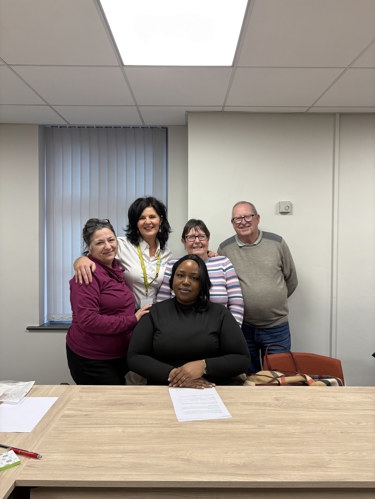
To ensure true inclusivity, the organisation actively targets underrepresented groups. A new Equal Voices Group provides a supported environment for tenants with specific lived experiences, ensuring their needs shape operational policies. The work this group has undertaken, including supporting the development of a Contractor Code of Conduct, helped Valleys to Coast to gain Tai Pawb’s QED (Quality in Equality and Diversity) Award.
A new Reading Group supports accessible communications by encouraging customers to read, review, and feed back on letters and publications, including information guides and web articles. Most recently this has included reviewing appointment letters for annual compliance checks - changing the layout and wording to make it more informative and less ‘scary’, as part of the organisation’s ‘No Access’ Project Group.
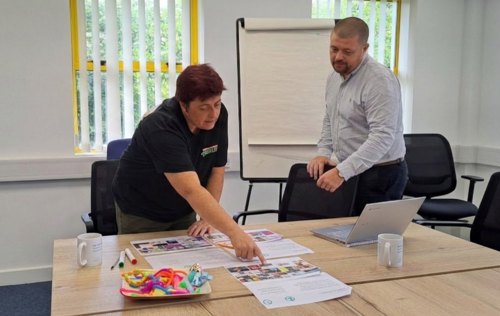
Recognising that traditional daytime meetings exclude working, studying, or caring tenants, Valleys to Coast has introduced out-of-hours monthly drop-in events, quarterly evening roadshows, and flexible digital feedback options with emailed survey open rates reaching 68%.
Tenant voice directly drives strategic decision-making at the highest levels.
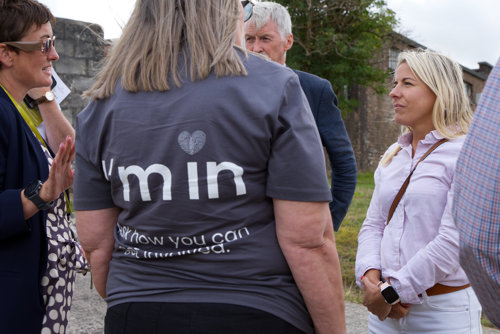
Customer insight gathered across key five-year milestone moments was used to revise the organisation’s Corporate Plan, with feedback shaping the development of the new corporate vision and purpose statements.
Additionally, tenant feedback led to the co-design of the brand identity for the new development subsidiary, Sylfaen, where a sub-group of Customer Panel members joined with colleagues and a design agency to create the brand identity and story ahead of the company launch in April.
Governance processes ensure accountability flows directly from tenants to executive leadership and the board.
Customer panel members were invited to participate in the Annual General Meeting, with a representative joining the Chair of the Board and Chief Executive on a live Q&A panel.
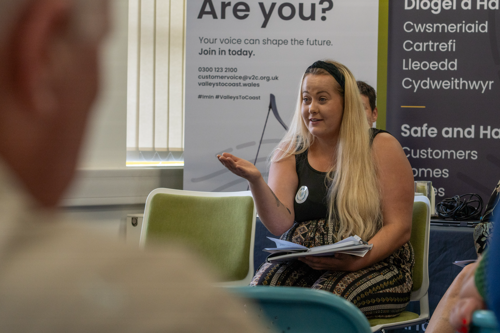
Customers are playing a vital role in the organisation's self-assessment of regulatory compliance, joining a Scrutiny Session where they can check and challenge performance against Valleys to Coast’s five pillar strategies and voting on whether they feel the organisation is compliant with regulations.
Furthermore, tenants regularly support recruitment - most recently sitting on the interview panel to select the Executive Director of Finance and Transformation, ensuring tenant priorities influenced senior leadership recruitment.
Through continuous innovation, plain-language communication, and accessible pathways, Valleys to Coast has embedded tenant scrutiny into its core governance culture.
Outcomes and achievements
Independent annual satisfaction surveys conducted by Acuity Research & Practice (2025–2026) demonstrate significant performance gains driven by tenant involvement:
- Increased participation satisfaction: Satisfaction with opportunities to participate in decision-making rose by 8% year-on-year to 64%.
- Enhanced trust: Satisfaction with how the organisation listens to resident views and acts upon them jumped by 12% to 62%, while overall trust in the landlord rose to 65%.
- Operational improvements: Direct customer feedback led to the creation of monthly out-of-hours drop-ins and evening roadshows, expanding access for working tenants. A redesign of the complaints procedure using direct tenant input helped reduce active complaints from 235 down to 81 and brought Housing Ombudsman response compliance to 100%.
- Advocacy and reputation: The Net Promoter Score climbed 10 points from +4 to +14.
- Growth in engaged customers: During the 2025-2026 period, over 1,200 face-to-face customer interactions were recorded across 142 community events, and there are now 85 regularly engaged customers on our database, against a target of 300 over five years.
Shortlisted entries
Hafod - Participation through innovation: Hafod's healthy homes journey
Application entry
- Project name: Participation through innovation: Hafod's healthy homes journey
- Lead organisation: Hafod
Statement of support
Hafod has developed an innovative approach to tenant participation by placing customers at the centre of decision making, service improvement and the delivery of healthier homes. Through its ‘Safe and Healthy Homes’ initiative, Hafod has moved beyond traditional consultation and created opportunities for customers to actively influence how technology, engagement and housing services are delivered.
At the heart of this approach is the installation of 986 Aico HomeLINK systems across Hafod homes. Rather than viewing this as a technology project, Hafod recognised it as an opportunity to empower customers and strengthen participation. Customers were involved from the outset through engagement events designed to explain the purpose of the technology, gather feedback and encourage open dialogue. Information was presented in clear, jargon-free language to ensure all customers could participate and understand how the project could benefit them.
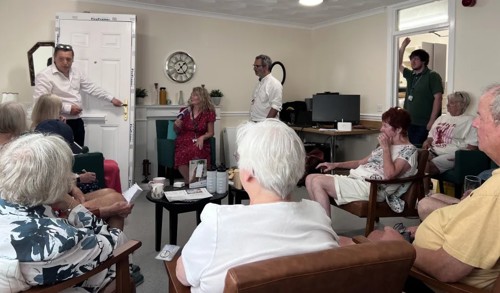
A key element of Hafod's approach has been making participation accessible and inclusive. Hafod recognised that digital exclusion could prevent some customers from fully benefiting from the project. In response, tailored support was provided through the Decarbonisation Engagement Officer, digital inclusion team and partner organisations. Customers were offered one-to-one support, telephone guidance, face-to-face demonstrations and practical assistance to use the HomeLINK customer application. This ensured participation was not limited by age, confidence or digital skills.
Hafod has also embraced innovative engagement methods to create meaningful conversations with customers. Community events, coffee mornings and in-person demonstrations allowed customers to explore the technology, ask questions and influence how engagement was delivered. Feedback from these events informed communication approaches and helped shape ongoing support arrangements. Rather than a one-way flow of information, customers became active participants in the project's development and success. This includes supporting customers to share their stories with other customers.
The HomeLINK resident application has given customers greater visibility of conditions within their homes, including temperature, humidity and indoor air quality. Customers can view real-time information and receive recommendations to improve comfort and wellbeing. This has shifted customers from being passive recipients of services to active partners in maintaining healthier homes. Feedback from customers has shown that having access to this information creates a sense of ownership and pride, while increasing awareness of factors that can contribute to damp, mould and poor indoor environments.
Importantly, customer participation has directly influenced decision making. Feedback has helped Hafod understand barriers to digital engagement, improve communications and shape future resident support. Engagement activity has also provided valuable insight into our customers experiences of fuel poverty, home comfort and the impact of housing interventions. This information helps inform future service planning and investment decisions.
Hafod's approach demonstrates that tenant participation is most effective when customers are given the knowledge, confidence and tools to influence outcomes. By combining innovation, digital engagement and meaningful dialogue, Hafod has empowered our customers to play an active role in shaping services, improving homes and influencing decisions that affect their daily lives.
Outcomes and achievements
- 986 customers now have access to connected home technology that supports greater understanding of their home environment and wellbeing.
- Customers received tailored support through home visits, telephone guidance, engagement events and digital inclusion activities, ensuring broad participation regardless of digital confidence.
- Customer feedback directly influenced communication methods, support arrangements and ongoing engagement activities.
- Community events and demonstrations created accessible opportunities for customers to ask questions, share experiences and influence service delivery.
- Customers have become more informed about issues such as damp, mould, indoor air quality and energy use, enabling them to take proactive action within their homes.
- Engagement activities increased digital confidence and encouraged wider participation from customers who may not normally engage with technology-based services.
- Customer insight has informed future decision making around healthy homes, retrofit investment and resident support services.
- Hafod has created a customer-centred participation model that empowers tenants to influence outcomes, scrutinise services and shape the future delivery of healthier homes.
Cynon Taf Community Housing Group - Customer Commitment
Application entry
- Project name: Customer Commitment
- Lead organisation: Cynon Taf Community Housing Group
Statement of support
In 2024, Cynon Taf Community Housing Group (CTCHG) undertook its first organisation-wide co-production service review to develop a Customer Commitment shaped directly by tenants and colleagues. The initiative was driven by a clear message from tenants: they wanted greater clarity about the standards of service they could expect, stronger accountability from the organisation, and a more transparent relationship with their landlord.
From the outset, CTCHG was committed to ensuring the process reflected the principles of genuine co-production rather than traditional consultation. The aim was not simply to gather views, but to work alongside tenants as equal partners in designing a framework that would influence how services are delivered across the organisation.

Recognising that tenants engage in different ways and face varying barriers to participation, CTCHG developed a multi-layered engagement approach. Initial consultation took place through informal discussions at the tenants' away day, an online survey, and a text-message survey. Providing multiple engagement channels ensured that tenants with different digital abilities, time commitments, and support needs could participate in ways that suited them.
To deepen engagement, three tenant focus groups were held across Rhondda Cynon Taf. These sessions were promoted through both printed letters and SMS notifications to maximise reach and encourage participation from a diverse range of tenants. The face-to-face discussions enabled participants to share their experiences openly and explore in detail what matters most to them when accessing services.
The process also recognised the importance of colleague involvement. Mixed focus groups brought together representatives from housing, customer services, supported housing, maintenance, community development, development, business improvement, and people and culture. This ensured that tenant expectations could be considered alongside operational realities, helping to create a commitment that was ambitious, achievable, and meaningful.
The most significant stage of the project was a co-design workshop where tenants and colleagues came together to review all engagement findings and collaboratively shape the final Customer Commitment. Working as equal partners, participants refined the language, structure, and content of the document to ensure it reflected both tenant priorities and organisational values.
Accessibility and inclusion were central throughout the review. Clear guidance, supportive facilitation, accessible materials, varied session times, and digital support were provided to ensure all participants could contribute confidently. Particular effort was made to encourage contributions from tenants who had not previously engaged in consultation activities, helping to broaden participation and strengthen representation.
The co-production process delivered substantial improvements to service design and organisational practice. A fully co-produced Customer Commitment was developed using plain language and grounded in tenants' lived experiences. The project established a shared, tenant-informed framework that all teams can reference when delivering services. Feedback highlighted the importance of respect, kindness, politeness, and patience in every interaction, and these values now form a core part of the commitment.
The review also strengthened transparency and accountability. Tenants clearly expressed a desire to understand how their views influence decisions, resulting in a stronger focus on feedback loops and communication. Accessible versions of the commitment, including easy-read and dyslexia-friendly formats, were produced to ensure equitable access for all tenants.
Importantly, the project has created a foundation for future tenant-led service improvement. The Customer Commitment is not viewed as a standalone document but as the first stage of a wider programme of co-produced service standards covering areas such as repairs, communication, neighbourhood management, and complaints.
The impact has been significant. Tenants reported feeling listened to, respected, and valued throughout the process, leading to increased trust and confidence in CTCHG's services. Colleagues gained a deeper understanding of tenant priorities, positively influencing organisational culture and service delivery. Most importantly, the project has embedded a sustainable model of co-production within CTCHG, creating a lasting cultural shift towards designing services with tenants rather than for them.
Outcomes and achievements
The Customer Commitment project delivered meaningful and measurable outcomes for tenants, colleagues, and the wider organisation. Through a comprehensive co-production approach, CTCHG created its first organisation-wide Customer Commitment, written in plain language and shaped directly by tenant feedback and lived experience.
The project strengthened trust and confidence between tenants and CTCHG. Participants reported feeling genuinely listened to and valued, while clearer service expectations improved transparency and accountability. Tenants identified respect, kindness, politeness, and effective communication as key priorities, and these themes now underpin the organisation's approach to customer service.
The initiative also increased participation by offering a variety of engagement methods, successfully involving tenants who had not previously taken part in service reviews or consultation activities. This helped ensure the commitment reflected a broader range of experiences and perspectives.
Internally, colleagues gained a deeper understanding of tenant priorities and developed stronger relationships with residents through the co-production process. The project created greater alignment across departments by establishing a shared framework for service delivery.
Beyond the immediate outputs, the Customer Commitment has become a foundation for future service improvement work. It provides a sustainable model for ongoing co-production and is already informing the development of future tenant-led service standards across key service areas, embedding tenant voice at the heart of decision-making and continuous improvement.
Tai Tarian - Make our house a home - Co-designing the Tai Tarian repairs promise
Application entry
- Project name: Make our house a home - Co-designing the Tai Tarian repairs promise
- Lead organisation: Tai Tarian
Statement of support
It’s not often you can link social housing reactive repairs with song writing and a music video.
But a unique collaboration led by colleagues from Tai Tarian’s transformation and housing operations teams, co-design facilitator Andre van Wyck from community story work and 20 tenants who were committed to helping us improve our services and shape the direction we would take on reactive repairs, was how we set out to co-create the Tai Tarian Repairs Promise.
This promise is our pledge to create a more responsive and trusted repairs service that has been genuinely shaped in partnership with the tenants who use it.
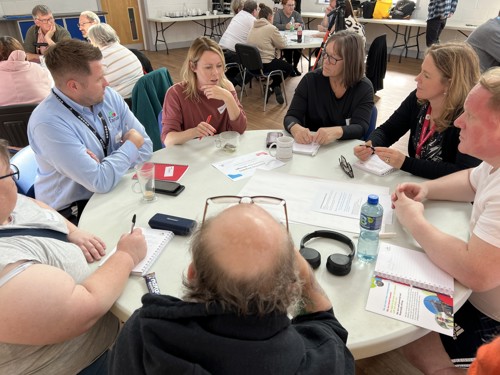
The journey to achieving that promise would see a bespoke repairs song being created using words from the tenants. A song was thought to be a more inclusive way of communicating the promise, as Neath Port Talbot has a low reading age. A song capturing the essence of the promise would help some of our tenants understand what we are trying to achieve.
To make sure our tenants could effectively co-design the future of reactive repairs, a series of “Repairing Repairs, Repairing Trust” workshops were set up in a neutral venue. The goal of the sessions was for tenants and staff to work in unison and change the customer experience of our Reactive Repairs service for the better.
Several Repairs Roadshows were held to identified tenants who expressed an interest in joining our Tenant Voice groups to inform, involve, and influence how we deliver services and make decisions.
Transformation Officer Emma Hanford approached these tenants who agreed to commit to sharing their ideas, experiences and honest opinions.
Once 20 tenants were on board, we then sent out invitations for the five events and kept regular contact in the run up to the sessions to build relationships with the tenants
Emma said:
“I wanted to make sure we had a wide range of ages, abilities, disabilities, represented, and people from across the borough. Getting broad and varied responses and experiences.”
To help build trust, tenants were asked to bring a photograph of personal significance to the first session that needed restoring or editing. These images were enhanced and returned at the end of the process, representing the faith tenants place in us to help make things better.
Session one was all about home and memory. Tenants explored what “home” means beyond bricks and mortar, focusing on safety, belonging, and personal stories.
This session helped build trust and connection between tenants and staff, laying the foundation for co-design.
Session two focused on tenants sharing their experiences and informing the definition of what a fair and responsive repair process should look like including the end-to-end process, customer care and service, access issues and emergency repairs.
After the early sessions Andre took comments and feedback our tenants had shared in the workshops to create a song that would form the repairs promise and the direction of our processes in the future.
“These sessions have been incredibly powerful so far, not just for hearing tenants’ experiences, but for building real trust and understanding”. Kevin Evans, Head of Property Services, Housing Operations
The opening lines to “Make our House a Home” summed up the direction the process then took, with the subsequent three sessions focussing on fairness in repair priorities and access, improving two-way communication, and defining what high-quality repairs should look and feel like.
Outcomes and achievements
Alongside the new Repairs Promise, tenants played a key role in creating a revised Repairs Policy and identifying future improvement opportunities across the organisation, using their lived experiences to help shape change.
Tenants told us:
"The sessions were good, well presented. It was nice to see Tai Tarian engaging and collaborating with tenants, they listened and took on board what we had to say." – Carol.
"In fairness to the staff, it wasn’t always easy for them to hear what some of us had to say, but they did listen, it’s like a weight’s been lifted." – Anthony.
The Repairs Promise sets out clear commitments to deliver repairs safely, respectfully and to a high standard, with better communication and trust throughout the process. It explains repair categories and timescales, helping tenants understand what to expect. It also sets clear standards for both Tai Tarian staff, its contractors and tenants.
The promise is already influencing our Elevate programme, including future improvements, with tenants continuing to help shape decisions. We are committed to improving the repairs services and strengthening tenant relationships. This work has also been recognised externally, leading to an invitation to speak at a national TPAS Cymru conference in November 2026.
NITVC - National Independent Tenant Voice Cymru (NITVC)
Application entry
- Project name: National Independent Tenant Voice Cymru (NITVC)
- Lead organisation: NITVC
- Partner organisation: Foundational Economy Alliance
Statement of support
The Foundational Economy Alliance is pleased to nominate our partner National Independent Tenant Voice Cymru.
From the first days of devolution the Welsh government encouraged partners – housing associations, councils and national organisations like Shelter Cymru, TPAS and Tai Pawb – to sit around the table and help shape the policies and practices to deliver better homes and communities across Wales. But for a decade there has been a vacant chair, the one reserved for a national independent tenant organisation.
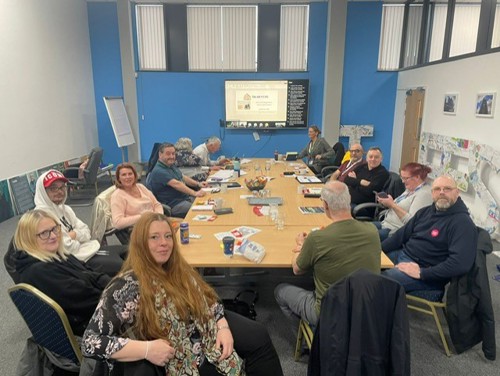
In the past 12 months that has changed. When a few tenants got together in Pontypridd in January 2025 to set up National Independent Tenant Voice Cymru (NITVC) they never imagined how far things would come in a short time.
NITVC is now firmly established as a key player in housing with aims to:
- Make sure tenants are ‘in the room’ before any important decisions are made about their homes and communities – from rents and repairs to safety and quality standards.
- Build an independent organisation owned and led by tenants.
- Work co-operatively with government, landlords and other partners
- Campaign to make sure everybody has the right to a safe, comfortable, good quality, affordable home.
- Be open to all tenants and encourage those less well represented to join us across the many diverse Welsh communities.
NITVC has established strong links with the Welsh government across several areas including tenant engagement and rent policy. Solid relationships have also been established with national organisations such as Shelter Cymru and Tai Pawb. The ‘no strings’ support of progressive landlords such as Trivallis, Merthyr Valleys Homes and Taff has also been invaluable.
Getting the message out far and wide has been crucial. NITVC members have spoken at over 25 in person and online events organised by the Chartered Institute of Housing Cymru and UK, Tai Pawb, Shelter Cymru, the Housing Quality Network, the Northern Ireland Federation of Housing Associations and others.
They have engaged with a growing number of landlords individually and via networks such as the Landlord Engagement Network (LENS) and worked with the 25-landlord net zero initiative Tai Ar Y Cyd and played a leading role their tenant engagement work.
There has been considerable interest from tenants in England NITVC have supported a number of individuals and groups hoping to build a similar organisation across the border.
A key priority has been reaching out to tenants across Wales including holding regular online and in person consultation events. In July and August 2025 the focus was the Welsh government’s new Rent Standard. The overwhelming response was a concern about the growing gap between the rents landlords set and what tenants can realistically afford. Tenants were also struggling with other increasing cost-of-living pressures and recent announcements energy prices will rise by 13% a year in July will make this winter much more stressful.
In March this year NITVC held open What Tenants Want sessions based on their unfiltered views on what was important to them. Not surprisingly rents, affordability and the cost-of-living crisis in general came high up the list again. Tenants specifically want the Welsh government to act on the growing affordability gap caused by rent and service charge increases. The fact that ‘outlining proposals on making renting in Wales fairer’ is a key Plaid Cymru commitment is encouraging and NITVC is looking to working with the new Welsh government on this.
NITVC has also linked up with several housing association chief executives and finance directors with the Foundational Economy Alliance to explore ways of addressing the growing affordability gap (for tenants) and viability gap (for landlords).
Outcomes and achievements
NITVC has gone from strength to strength and now has representation from tenants of 13 landlords and counting.
In January NITVC gave evidence to the Senedd inquiry into damp and mould. Feedback was very positive and NITVC’s influence can be clearly seen in the committee’s report.
In September NITVC launched a campaign to find long term, sustainable solutions to the cost-of-living crisis as opposed to ‘sticking plaster’ ones. The current stage involves gathering evidence – data, case studies – to support the campaign. They are also working in partnership with others such as Shelter Cymru, the Foundational Economy Alliance and CIH (who are hosting a joint NITVC webinar on affordability in November).
NITVC is increasingly able to get tenants around the housing ‘top table’. As their partner organisation we are seeing this influence grow and are confident that government and others will increasingly recognise that listening to the authentic voice of tenants will be crucial to delivering housing ambitions for Wales.
In the words of NITVC Co-ordinator Emma Nicholas:
- ‘However well-intentioned landlords and support organisations are they can’t speak for tenants. So most of all we want recognition that tenants need to have their independent voices heard at all levels’
Vale of Glamorgan County Borough Council - Repair Customer and Staff Mapping Journey Mapping and Action Plan 2026 (Tenant Service Quality Assesors)
Application entry
- Project name: Repair Customer and Staff Mapping Journey Mapping and Action Plan 2026 (Tenant Service Quality Assesors)
- Lead organisation: Vale of Glamorgan County Borough Council
- Partner organisation: Vale Homes - (Tenant Consultative Body - Working Group)
Statement of support
Vale homes launched their new Tenant Participation Strategy in 2022 the focus of this was to ensure we take a proactive approach to:
- Involving tenants,
- Investing in TP work, (both with staff time and finance) to support involvement
- Ensuring that tenants can influence
- Feel that their contributions are calued.
Our vision was to “Create a culture where we develop and maximise the opportunities for tenants and leaseholders to contribute towards creating tenants and leaseholders centred services”
To this end we relaunched our Tenant Working Group which is a consultative body that meets every eight weeks with tenants to talk about services, policies and any new development in the housing team/or in the wider Welsh housing sector and to take tenant feedback – as part of this we also launched a new Service Quality Assessor project where any involved tenant or anyone that wants to become involved in taking a deep dive into our services can do so. The topics would be entirely customer led and the Vale housing team including the councils service improvement team would support any work that comes from this.
Following concerns raised by tenants in our consultative body about the repairs service, an initial survey was undertaken with the consultative body where over 80% of residents raised their dissatisfaction with the repairs service – a further tenant survey was developed with the consultative body focusing on key areas of concerns for tenants – these were mainly concerns around communication, response times and service quality. This helped us gain a better understanding of the customer experience, once we analysed the feedback from this questionnaire, we commenced our tenants' led Repairs Customer Journey Mapping Exercise.
The mapping exercise brought together tenants from the Service Quality Assessor project, Housing management and housing and repairs teams as well as the council's contact centre staff. As a council we do not have a dedicated call centre for housing calls, this was part of the problem.
The mapping exercise undertaken aimed to understand the repairs process from the customer's perspective and to identify opportunities for improvement, focusing particularly on communication, response times and service quality.
The involved tenants shadowed the council’s contact centre call staff (following data protection training), listened into repair calls, had meetings with repairs staff, looked at the repairs system and learned about how repairs are recorded, scheduled and completed. The exercise provided valuable insight into both the customer and staff experience.
A mapping exercise commenced and the repairs journey was mapped across five stages:
- Reporting the repair
- Diagnosing the repair
- Booking and scheduling
- Completing the repair
- Follow-up and closure.
At each stage, participants identified strengths, challenges, bottlenecks and potential improvements focusing particularly on communication, response times and service quality.
This work culminated into a three-page Customer Journey Mapping Report and 14-page action plan with 33 actions to be undertaken by the housing management team, repairs team or call centre team.
This work has been owned and led by tenants the report has been shared with wider tenants, managers and service teams. The recommendations in the Repairs Customer Journey Action Plan are being implemented, and staff report on a three monthly basis to the consultative body – the action plan is to be implemented within 12 months.
A review will be undertaken 12 months after implementation to assess the impact of the changes.
This work has served true to the aspiration of the councils vision to create a culture where we develop and maximise the opportunities for tenants’ involvement and the creation of tenant centred services.
Outcomes and achievements
Cultural shift - The team has been successful in developing a culture of seeking tenant feedback to improve services. Voids/ASB and income teams have expressed an interest in the Consultative Body reviewing their service areas – the teams relentless focus on tenants’ involvement and an awareness on how tenants can improve positive change has resulted in this paradigm shift.
Internal joint working and influencing change - a large percentage of feedback related to actions that the call centre needs to undertake to make the repairs journey more accessible and streamlined. The call centre has now implemented a new automation system which filters calls through to the relevant sections – training has also been undertaken with repairs and call centre staff. 75% of the consultative body report a positive experience in using the call centre now.
Investment/Involvement/Influence and feeling valued – 100% of tenants involved in this work found it to be meaningful, felt valued and were rewarded through Value in the Vale scheme. They felt they have been able to influence/improve service delivery. 75% of tenants involved now are new to TP, 30% of the action plan has been completed, we are on track to deliver the remaining 70% on time within 12 months.