


Welsh Housing Awards 2026
Read all the shortlisted entries into this award category, Supporting Communities, at the Welsh Housing Awards (WHA) 2026 and find out who won the award on the night.
This award recognises projects, initiatives and organisations which have gone above and beyond, working to support their communities during difficult times.
This award was sponsored by Hugh James.
Winning project name
Sustaining a Legacy - Children's Residential Care Home Community Regeneration
Winning organisation
The Community Impact Initiative C.I.C.
Partner organisation
Tai Heulwen
Statement of support
About Us
The Community Impact Initiative C.I.C. (Cii) is a not-for-profit organisation that strives to achieve positive, meaningful change in communities facing hardship through engaging local people in the regeneration of long-term empty homes.
Each renovation brings community members together to combat a range of social issues, supporting local people to improve their wellbeing, build meaningful relationships, learn new skills, achieve qualifications, and find a path to employment.
Every regenerated property is then used to house vulnerable people in partnership with local authorities and partner charities.
Since we started in 2016, we have supported over 600 community members to improve their lives and have regenerated 14 long-term empty properties into energy-efficient housing for people in need.
The project (Sustaining a Legacy)
This year, the Cii took on our largest community regeneration project to date, which supported 48 community members in Dowlais to overcome a range of social and economic challenges.
The project was centred around the regeneration of a three-story property that had been empty for over 10 years. The Cii purchased the property to be used by not-for-profit housing partners Tai Heulwen, in response to the critical demand for a children’s residential care home in the area.
Sustaining a Legacy received 90 referrals from community members who wanted to take part. The majority of referrals came from community members who were experiencing multiple overlapping disadvantages, including long-term unemployment, poverty and social isolation.
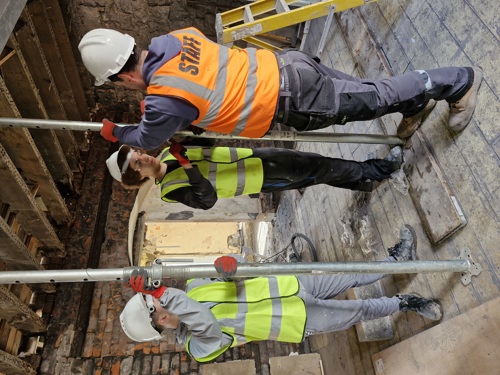
During their time on the project, community members received one to one wellbeing and progression support to help them to identify their career goals and overcome a range of personal and professional barriers.
The project saw significant positive changes in the self-esteem, motivation and aspirations of community members, many of whom broke cycles of generational unemployment.
- ‘My goal is to keep putting into the project as much effort as I can because so far I have felt so rewarded. My friends have noticed I seem brighter and have more hope for the future. I spent a long time with no hope at all, and this is giving me my spark back.’ – Community member
- ‘Yesterday was a rocky day, but coming to the project made me feel purposeful and like I can achieve things.’ – Community member
The property is unrecognisable, and with some final touches, it will open as a children’s residential care home in winter 2026.

Collaborative working
Sustaining a Legacy is a reflection of meaningful collaborative working between multiple cross-sector organisations who prioritise community values:
- Referral partners: Community members were referred to the project through a range of referral partners, including the Job Centre Plus, Merthyr Valleys Homes and South Wales Police.
- Specialist support organisations: The Cii worked in collaboration with specialist support organisations to ensure that community members with complex needs received holistic support. Significant partnerships were built with organisations including Cwm Taf Morgannwg Mind, Safer Merthyr Tydfil and New Pathways.
- Progression partners: The project was supported by multiple progression partners who supported the Cii in preparing community members to enter employment, training or education. The partners supported with interview preparation, site visits and offered employment opportunities to community members. The progression partners included Sacyr, Sunbelt Rentals and The College Merthyr Tydfil.
Outcomes and achievements
Of the community members who engaged with the project;
- 84% reported an improvement in their mental health, welfare and confidence.
- 88% reported feeling more connected to their community.
- 88% reported feeling more positive about themselves and their future.
- 84% progressed to employment or further education.
Case study:
Evan (Some details have been changed or omitted for the protection of the individual)
Evan was referred to the project by the Children Looked After (CLA) employment mentoring officer. At the time of his referral he had disengaged from education, had no employment aspirations and few social connections.
Evan attended the project five days a week; during this time, he built an excellent relationship with tutors and developed a positive routine and mindset. He learnt a range of personal and professional skills and built supportive friendships with other community members.
Despite having a negative experience of education, Evan demonstrated commitment during revision sessions with our Wellbeing and Engagement Officer and passed his CSCS test.
Evan secured employment with a local construction company. The Cii assisted Evan’s transition into the workplace and continues to provide him with wellbeing and welfare support.
Shortlisted entries
Hafod - Fir Tree Drive: Together creating lasting impact
Application entry
- Project name: Fir Tree Drive: Together creating lasting impact
- Lead organisation: Hafod
Statement of support
The Fir Tree Drive Community Initiative is an outstanding example of how community-led action can strengthen neighbourhoods, reduce hardship, improve wellbeing, and create lasting social value. Through a combination of practical support, resident participation, volunteering opportunities, wellbeing activities, and access to support services, the project has developed into a trusted community hub that empowers local people to shape and support their own community.
At the heart of the initiative is the Fir Tree Drive Food Pantry, which supports approximately 45 customers and families each week. For a contribution of £4.50, households can access groceries with an estimated value of £20, helping to ease financial pressures during a period of continued economic uncertainty. The pantry's impact extends far beyond food provision. Delivered by local volunteers, it creates opportunities for customers to develop skills, build confidence, and take an active role in supporting their neighbourhood, fostering ownership and pride within the community.
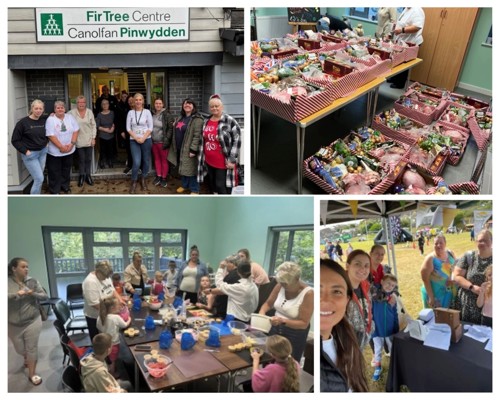
A key strength of the project is its ability to create meaningful opportunities for people to connect. Weekly coffee mornings provides a welcoming environment where customers can meet, share experiences, and reduce loneliness and social isolation. These informal gatherings have become valuable "breathing spaces" where people can step away from daily pressures, access peer support, and build trusted relationships with neighbours and community workers. As a result, customers report feeling more connected, supported, and confident in seeking help when needed.
The initiative also promotes community pride and environmental sustainability through its community garden. Customers of all ages, including local children, work together to grow fruit, vegetables, and flowers, with produce contributing directly to the food pantry. The garden provides a peaceful outdoor breathing space that supports physical and mental wellbeing while encouraging learning, healthy lifestyles, and intergenerational engagement. Children gain hands-on experience, develop new skills, and contribute positively to their local environment.
Recognising the importance of personal growth and wellbeing, the project delivers a range of activities designed to develop confidence and bring people together. Children's creative play sessions encourage learning and social interaction, while cake-making classes provide practical skills and opportunities to build friendships. Future plans include arts-based sessions alongside digital support, creating additional breathing spaces where customers can express themselves creatively, develop digital confidence, and improve social connections in a supportive environment.
The project also ensures customers can access advice and support locally through regular drop-in sessions with Hafod colleagues and partner organisations. These sessions provide early intervention, practical guidance, and signposting in a familiar and trusted setting, helping customers address challenges before they escalate while strengthening relationships between services and the community.
What makes Fir Tree Drive particularly deserving of recognition is its resident-centred approach. Activities have been shaped by local need, with customers actively involved in volunteering, participation, and decision-making. The initiative enables people not only to receive support but also to contribute their time, skills, and ideas, creating a culture of empowerment and collective responsibility.
By combining financial support, opportunities for volunteering and learning, wellbeing activities, breathing spaces, and meaningful community engagement, the Fir Tree Drive Community Initiative embodies the spirit of the CIH Supporting Communities Award. It has delivered significant benefits for customers, strengthened community resilience, and created a sustainable model of community-led support that continues to evolve in response to local needs.
Outcomes and achievements
- Supports approximately 45 families each week through the Fir Tree Drive Food Pantry, helping reduce food insecurity and ease cost of living pressures.
- Provides affordable food with dignity and choice, enabling customers to access groceries worth around £20 for £4.50.
- Increased customer participation through a volunteer-led model, building confidence, skills, and community ownership.
- Created valuable breathing spaces through weekly coffee mornings, helping customers reduce isolation, improve wellbeing, and build supportive relationships.
- Enhanced community pride and environmental sustainability through the community garden, where customers and children learn new skills and grow produce for the pantry.
- Delivered creative activities, including cake-making sessions and children's activities, improving confidence, skills, and social connections.
- Improved access to housing, financial, and wellbeing support through regular local drop-in sessions, enabling early intervention and practical advice.
- Customers report feeling more connected, supported, and empowered, with stronger relationships across the community.
- Future arts and digital inclusion activities will further develop confidence, creativity, digital skills, and community cohesion.
Overall Impact: The project has strengthened resilience, reduced isolation, increased participation, and created a sustainable, customer-led community that supports wellbeing and long-term positive outcomes.
Cynon Taf Community Group - Gower Davies Court Residents Association – Building Community, Reducing Isolation
Application entry
- Project name: Gower Davies Court Residents Association – Building Community, Reducing Isolation
- Lead organisation: Cynon Taf Community Group
Statement of support
The Gower Davies Court Residents Association is a tenant-led community group based within Cynon Taf Community Housing Group's sheltered housing scheme in Ynysbwl. Formally constituted in January 2025, the association was established to strengthen community cohesion, reduce loneliness and isolation, and improve the wellbeing of older residents through accessible, inclusive, and resident-led activities.
At the heart of the association's success is its commitment to collaborative working. Led by elected officers Idris (Chairperson) and Mike (Treasurer), the group works closely with residents, Cynon Taf Community Housing Group's community engagement team, local community organisations, grant funders, and wider community members to ensure activities respond directly to local needs. This partnership approach has enabled the group to create a welcoming environment where residents feel empowered to shape activities, contribute ideas, and support one another.
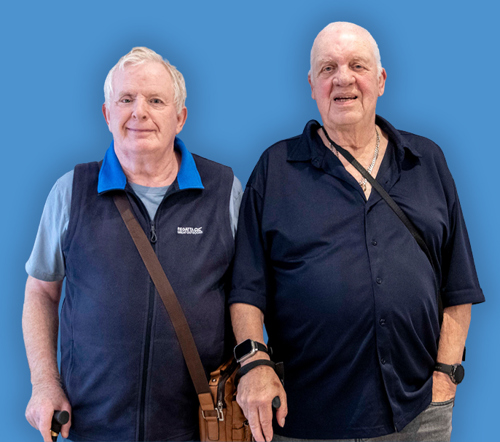
Through collaboration and shared leadership, The group delivers a range of community-focused initiatives including weekly coffee mornings, breakfast clubs, exercise sessions, craft workshops, Warm Spaces activities, and seasonal community events. By hosting all activities within the Gower Davies Court community lounge, the group removes barriers to participation for residents with mobility issues or health concerns and ensures a familiar, accessible, and trusted setting for everyone involved.
The project was established in response to significant challenges facing many older residents, particularly loneliness, social isolation, declining confidence, bereavement, and reduced opportunities for meaningful social interaction. These challenges were further exacerbated by wider economic pressures and increasing concerns about mental wellbeing among older people living independently.
The grouos response has been both practical and compassionate. Weekly social activities provide consistent opportunities for connection, helping residents establish friendships, maintain routines, and participate in community life. Warm Spaces sessions have offered comfort and companionship during winter months while supporting residents struggling with the rising cost of living. Exercise and wellbeing sessions encourage physical activity, improve mobility, and promote healthier lifestyles in a supportive atmosphere.
A key strength of the project is the dedication of resident volunteers. Idris and Mike continually invest their own time to attend training courses, networking opportunities, funding events, and conferences to strengthen the group's sustainability and impact. Their commitment has enabled the association to secure grant funding that supports free or low-cost activities and ensures opportunities remain accessible to all residents regardless of income.
Beyond organised activities, the group has developed a culture of mutual care and resilience. Residents experiencing bereavement, poor health, or periods of social isolation receive informal support, regular check-ins, and encouragement from fellow members. This peer-led approach helps vulnerable individuals remain connected to their community and reduces the risk of loneliness becoming entrenched.
The association's collaborative approach extends beyond the housing scheme itself. Local community members regularly attend activities, helping to strengthen relationships between residents and the wider Ynysbwl community. The group also actively supports local foodbanks through annual Christmas collections, demonstrating a commitment to giving back and supporting other vulnerable people within the area.
Idris and Mike are outstanding ambassadors for tenant-led community action. Their representation of Cynon Taf Community Housing Group at national TPAS conferences has showcased the value of resident leadership and shared learning, inspiring others while highlighting the positive outcomes that can be achieved when communities are empowered to lead change themselves.
The Gower Davies Court Residents Association demonstrates how collaborative working can successfully overcome social isolation, improve wellbeing, and build stronger communities. Through compassion, commitment, and resident leadership, the group has created a thriving community hub where people feel welcomed, valued, connected, and supported. It stands as an inspiring example of how grassroots community action can transform lives and create lasting positive change for individuals and communities alike.
Outcomes and achievements
Since its formation in January 2025, the Gower Davies Court Residents Association has delivered significant and measurable outcomes for residents and the wider Ynysbwl community.
The project has recorded over 900 attendances across coffee mornings, breakfast clubs, wellbeing sessions, and community events, with average weekly participation of 15 to 20 residents and a 20 to 25% increase in engagement since becoming formally constituted. Around 70% of regular attendees report feeling less isolated, while many describe activities as a "lifeline" that provides purpose, friendship, and something positive to look forward to each week.
Exercise and wellbeing sessions have contributed to increased confidence, mobility, and physical activity among participants. Warm Spaces activities have supported residents through winter months, reducing social isolation while helping address the emotional impact of rising living costs.
The association has also strengthened community resilience, providing ongoing support to residents experiencing bereavement, health issues, or reduced confidence. Idris and Mike have personally supported at least 12 residents through regular contact, encouragement, and signposting.
Hedyn - Long Meadow Development
Application entry
- Project name: Long Meadow Development
- Lead organisation: Hedyn
- Partner organisation: Hale Group
Statement of support
We are delighted that our Longmeadow development is reaching its handover milestone with JG Hale Group Ltd. The project represents a significant investment in Lliswerry, transforming a former sheltered housing scheme into 35 sustainable houses and apartments designed for the future. Alongside the new homes, Hedyn and JG Hale Group Ltd have delivered a wide-ranging programme of community benefits and social value projects, creating lasting opportunities for local people.
Using an Asset Based Community Development approach, the programme responded to priorities identified locally and supported health and wellbeing, education, inclusion, sport, creativity and the environment. Initiatives shaped through consultation and collaboration with residents, schools, community organisations and specialist partners, ensuring that the benefits reached beyond the construction site.
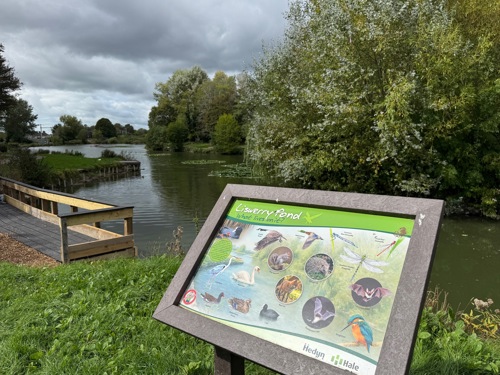
Lliswerry Fishing Ponds: HEDYN and Hale created two accessible fishing pegs for disabled users and installed educational boards developed with Natural Resources Wales and fishing kit. These improvements have helped the ponds establish family fishing sessions and expand provision for children and adults with additional learning needs, making an important local asset more inclusive while supporting outdoor learning, recreation and wellbeing.
Placemaking and public art: Creative projects have transformed overlooked spaces, including the Pontfaen shop mural and bespoke Broadmead and Moorland signs. Working with Lliswerry Primary School, Lliswerry High School, local artist Andy O’Rourke and Tanio, children and young people took part in creative sessions, graffiti project and sign refurbishment. The work has built skills, strengthened community pride, increased engagement with harder-to-reach groups and helped reduce opportunities for anti-social behaviour.
Lliswerry Primary School: In response to concerns about unsafe parking outside the school, the programme supported practical road-safety and active-travel measures. Character-logo cut-out parking signs were purchased to discourage inconsiderate parking, and safe-cycling sessions were funded for every Year 5 and Year 6 pupil, promoting safer journeys, confidence and healthy travel habits.
Local sport and resource reuse: Youth sport received practical support through Lliswerry Lizards and Corries Football Club, including laptops and defibrillator. A wider recycling initiative with Men’s Shed also enabled refurbished Hedyn laptops to be donated locally, while the construction site’s defibrillator kit was donated after completing its standby role.
Raven House Trust: Regular donations and hands-on support at community days have helped sustain the trust’s essential work. A kitchen refurbishment, delivered as a Hale social value project, has strengthened facilities for the food bank and community cooking programme, creating a more effective and welcoming space for volunteers and residents.
Sheltered scheme garden project: New garden furniture and board games were donated to the residents’ social group, creating more opportunities for people to come together, build relationships and enjoy shared activities. This simple intervention has supported wellbeing, encouraged participation and helped reduce loneliness and isolation.
Community environmental project: Working with the estates team, additional planting was introduced to improve local green spaces and enhance biodiversity. Pollinator-friendly plants and wildflower seed have been added across grassed areas, providing habitat and food sources for wildlife while making the neighbourhood more attractive for residents.
Taken together, these projects show that Longmeadow is about more than delivering homes. The development has used construction investment to create inclusive facilities, support learning, encourage active lifestyles, strengthen community organisations and improve the local environment. Crucially, the work has been carried out with the community rather than simply for it.
As Longmeadow reaches handover, its legacy can already be seen in safer spaces, stronger partnerships and new opportunities for participation. We are proud of what has been achieved with JG Hale Group Ltd and our community. Longmeadow demonstrates how housing development can generate social value and help create a healthier, more connected and sustainable Lliswerry for everyone.
Outcomes and achievements
Throughout the Longmeadow project, we supported initiatives across health and wellbeing, arts and creativity, environmental improvement and sustainability, delivering practical benefits while strengthening local pride, participation and connection.
The principle is simple: people respond to their surroundings. Broken windows theory suggests visible neglect can contribute to further decline, reflecting what communities understand instinctively: places shape how people feel, behave and relate to one another.
Community art has turned overlooked spaces into visible expressions of identity and belonging. Residents, schools, artists and local organisations helped shape and deliver the work, building skills, opening conversations and engaging groups that can be harder to reach.
Regeneration is often measured through homes, buildings and investment, all vital during a housing crisis. However, successful places are emotional as well as physical. By combining sustainable development with community-led action, Longmeadow has improved local spaces, supported wellbeing, reduced isolation and anti-social behaviour, and fostered ownership.
Over the project period, we supported more than 2,400 people, invested approximately £37,000 in community benefit and social value, and created 24 employment and work experience opportunities: seven apprentices, two trainees, five work placements and ten new appointments. The project shows lasting regeneration must happen with communities, not simply to them.
Cartrefi Conwy - One Team, One Home
Application entry
- Project name: One Team, One Home
- Lead organisation: Cartrefi Conwy
Statement of support
Wales, like the rest of the UK, is living through one of the most difficult housing periods in a generation. Rising costs and growing waiting lists mean every empty home Cartrefi Conwy returns to use is a home taken off that list and given back to someone's life. Since April 2026, Cartrefi Conwy has transformed how it manages empty homes — through a genuine change in how its teams and contractors work together, not new technology or extra budget.
One Team, One Home has been driven by outstanding collaboration between surveyors, the building maintenance team, empty homes team and its subcontractor partners, the allocations team and housing officers. Each partner now plays a defined role in one end-to-end process that returns homes faster, without losing quality, value for money or customer focus.
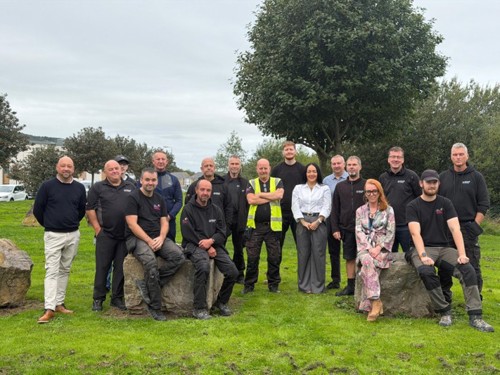
A key driver has been a significant increase in early, pre-vacancy inspections carried out by the surveying team. By identifying works requirements before a property even becomes empty, the team has improved forecasting, sharpened resource planning and given greater visibility of upcoming workloads — allowing materials, operatives and programmes to be coordinated in advance and letting homes progress efficiently from the earliest possible point.
The building maintenance empty homes team has undergone a fundamental shift, moving from a trade-based model to a fully integrated approach that now extends beyond Cartrefi Conwy's own workforce. Operatives share collective responsibility for delivering completed homes, improving communication between trades, cutting downtime and building real ownership of outcomes. To meet demand, the team has brought local subcontractors fully into the delivery model as genuine partners rather than overflow capacity, working to the same standards and programme, with one shared goal: returning homes faster. This strong contractor collaboration has retained investment in the local economy, supported local employment and created opportunities for regional businesses, while helping clear the backlog of empty homes faster.
Alongside this, the allocations team has changed how homes are prepared for letting — identifying suitable applicants earlier and coordinating viewings while works are still under way, so key stages of the customer journey now run in parallel with repairs. Housing officers then carry that momentum through to completion, working closely with new customers to complete sign-ups at the earliest opportunity and ensure a smooth move into their new home.
None of this was achieved by any one team or contractor alone — it is the product of every team and subcontractor partner choosing to plan together, share risk together and be measured against one shared outcome: a genuinely "one team" culture.
The difference this has made is tangible. The total number of homes actually standing empty across Cartrefi Conwy has fallen from 103 in May 2026 to 74 in September 2026 — a 28% reduction in four months, and the clearest sign yet that this collaborative approach is putting homes back into communities faster than ever. Families and individuals on Cartrefi Conwy's waiting list are moving into good-quality homes sooner; fewer properties are sitting empty and unproductive in neighbourhoods that need them occupied; and local subcontractors and their employees have benefited directly from the extra work and trust placed in them as delivery partners. For a community facing real difficulty accessing housing, this is not a back-office efficiency story — it is a story about people getting a safe, warm, good-quality home sooner, delivered by a genuine partnership of people who chose to work as one.
Cartrefi Conwy is proud to nominate One Team, One Home for the Supporting Communities award because it shows what sustained collaborative working — between internal teams and subcontractor partners alike — can achieve: more homes, occupied faster, for the communities they serve.
Outcomes and achievements
Since One Team, One Home began in April 2026, Cartrefi Conwy has returned 140 empty homes to full completion, with 123 already re-let into new tenancies — real households moving into good-quality homes. The total number of homes actually standing empty has fallen from 103 in May 2026 to 74 in September 2026, a 28% reduction in four months. Homes live/in-progress at any one time have also fallen steadily, from 72 in May to 43 in September, even as completions and re-lets more than tripled over the same period — clear evidence homes are moving through the pipeline faster. £496,684 of survey-identified works is currently being progressed, tracked and reconciled weekly by Cartrefi Conwy's teams and their subcontractor partners working side by side. Pre-vacancy inspections, an integrated trade team, earlier allocations and faster sign-ups have combined to compress the time each home spends empty, cutting rent loss and reducing the time waiting-list households spend without a settled home. Local subcontractors, brought fully into the delivery model as trusted partners, have added vital capacity at peak demand while supporting local employment. Together, these results show a sustained, measurable improvement achieved through strong collaborative working across every team and contractor partner involved.
Pembrokeshire County Council - Don't Walk By
Application entry
- Project name: Don't Walk By
- Lead organisation: Pembrokeshire County Council
Statement of support
Don't Walk By is an innovative, person-centred initiative developed by Pembrokeshire County Council's housing services to strengthen early intervention, improve safeguarding awareness and maximise the positive impact of frontline interactions with residents.
The programme encourages staff to take a proactive approach when entering a customer's home, recognising opportunities to identify concerns relating to wellbeing, property conditions, safeguarding and independent living. Rather than focusing solely on the purpose of their visit, staff are empowered to identify wider support needs and connect residents with appropriate services before issues escalate.

The initiative was developed following recognition that frontline staff, particularly housing officers and building maintenance tradespeople, are uniquely placed to observe residents' living conditions and personal circumstances. As trusted professionals regularly welcomed into customers' homes, they often encounter indicators of vulnerability that may otherwise go unnoticed.
Engagement with frontline teams identified gaps in knowledge and confidence relating to safeguarding, support services and effective customer conversations. The programme was therefore designed to equip staff with the skills and confidence to recognise concerns, engage sensitively with residents and seek appropriate support when needed.
A key objective of Don't Walk By is to strengthen both adult and children's safeguarding awareness. The programme enables staff to recognise indicators of vulnerability, neglect and risk, ensuring concerns are identified early and residents are connected to the most appropriate support services.
The success of Don't Walk By is built on strong partnership working across housing, building maintenance, children's and adult safeguarding services, adult intake teams, and Public Protection. This collaborative approach has created a coordinated support network, enabling more timely and effective intervention for residents.
Beyond developing frontline knowledge, the programme has acted as a catalyst for improving multi-agency working across the authority. Through engagement with staff and partner services, barriers relating to referral pathways, service responsibilities and access to specialist advice were identified and addressed. This has resulted in clearer processes, improved communication and stronger support for vulnerable residents.
The initiative has strengthened relationships between services, improved information sharing and reinforced a collective commitment to preventative support. It has also highlighted opportunities for ongoing professional development, with particular emphasis on safeguarding awareness, professional curiosity and the confidence to have supportive but challenging conversations with customers.
The programme includes:
- A pocket resource guide containing key information on housing repairs, safeguarding, tenancy management, environmental health and housing-related support, together with contact details for specialist services.
- Multi-agency training workshops delivered by children's and adult safeguarding practitioners to over 200 housing and building maintenance employees, using real-life scenarios encountered by frontline staff.
- Supporting resources providing ongoing guidance and practical advice.
- A cross-service working group established to oversee programme development, address barriers and share learning.
- Regular toolbox talks within building maintenance teams to reinforce key messages and maintain awareness.
A significant strength of the programme has been the delivery of face-to-face training. These interactive sessions have encouraged open discussion, enabling staff to explore real situations they may encounter in customers' homes and develop the confidence to respond appropriately.
By developing knowledge, confidence and partnership working, Don't Walk By has embedded a culture in which staff are empowered to act. The programme ensures opportunities to support vulnerable residents are recognised and acted upon, helping to create stronger, safer and more resilient communities across Pembrokeshire.
Outcomes and achievements
The primary aim of Don't Walk By is to equip customer-facing staff with the knowledge and confidence to identify concerns relating to safeguarding, wellbeing, independent living and property conditions, ensuring residents receive the right support at the earliest opportunity.
The programme has strengthened frontline teams' ability to recognise vulnerability, take appropriate action and connect residents with specialist services. By promoting earlier intervention, it helps prevent issues from escalating into crisis situations, enabling residents to access support sooner and reducing the need for more significant statutory intervention.
The impact of the initiative was demonstrated within the first week of its launch, when a frontline employee identified a resident struggling to maintain their independence at home.
Following a referral to the adult intake team, an appropriate care package was arranged, enabling the individual to continue living safely and independently within their own home.
The programme has also strengthened multi-agency collaboration through clearer referral pathways, improved information sharing and a more coordinated approach to supporting vulnerable residents. Following the success of the pilot, discussions are underway to extend Don't Walk By across additional local authority services, further embedding a preventative, community-focused approach across Pembrokeshire.
Awen Homes - Making a Difference When It Mattered Most
Application entry
- Project name: Making a Difference When It Mattered Most
- Lead organisation: Awen Homes
Statement of support
In November 2025, Monmouth experienced devastating flooding that forced residents from their homes with little warning, leaving many families facing the loss of possessions, security and stability. Hundreds of households were affected across Monmouth and surrounding areas, including some of Monmouthshire Housing Association's most vulnerable tenants, including older residents, people living with disabilities and households with significant health and support needs.

The response that followed demonstrated the difference that can be made when communities come together and when colleagues are prepared to go above and beyond for the people they support. From the first hours of the emergency, Monmouthshire Housing Association mobilised a coordinated response involving colleagues from neighbourhoods, property services, customer services and leadership teams. Working alongside Monmouthshire County Council, Natural Resources Wales, emergency services, local businesses, voluntary organisations and community volunteers, our focus was simple: ensuring every affected tenant was safe, supported and able to begin their recovery.
Colleagues were present at emergency rest centres from the morning of the floods, supporting residents who had been evacuated during the night. Working with partners, staff helped residents access emergency accommodation, food, clothing, medication, transport and welfare support. As the scale of the incident became clear, teams coordinated practical assistance, secured emergency funding and helped residents navigate the challenges that followed the loss of their homes. What made the response effective was its personal approach. Every affected household was allocated a dedicated point of contact, ensuring residents had someone they knew and trusted throughout their recovery.
Daily communication, welfare checks and face-to-face support helped residents navigate overwhelming circumstances, from replacing essential possessions and accessing financial assistance to understanding their housing options and planning their next steps. The impact of this approach was immediate and measurable.
By the end of the first day, every displaced MHA tenant had been accounted for and moved into safe accommodation. Staff went far beyond their traditional role as a landlord, helping vulnerable residents access medication, arranging transport, sourcing essential items and acting as advocates during a traumatic period. One family lost almost everything and discovered they had no contents insurance. Through coordinated support from MHA and its partners, they were able to access financial assistance, secure accommodation and replace essential household items. What could have resulted in homelessness instead became the start of recovery, providing the stability and reassurance they needed to move forward.
The long-term impact has been equally significant. All affected tenants requiring alternative accommodation were rehoused or placed in suitable temporary accommodation, while the 18 most severely affected households received intensive support through longer-term recovery arrangements. Many of these households remain displaced while extensive repairs continue, requiring support and regular communication. Residents were helped to access financial assistance and hardship funding, food vouchers were secured ahead of Christmas, and wellbeing support was provided to those struggling with the emotional impact of the floods. The response demonstrated the exceptional commitment of MHA colleagues, who went beyond their day-to-day roles to support tenants through one of the most challenging periods of their lives.
Through compassion, visible leadership and a relentless focus on residents, they helped people move from crisis to recovery with dignity and confidence. Beyond the response, the floods strengthened relationships between residents, community groups and partner organisations, helping create a more resilient community and shaping future emergency response arrangements. While many residents are still awaiting a return to their homes, MHA colleagues continue to support them through their recovery journey. The impact continues to be felt through the lives rebuilt, the trust strengthened with tenants and the confidence residents have that, when they needed us most, MHA was there.
Outcomes and achievements
The response ensured every Monmouthshire Housing Association tenant was safely accounted for and supported from the earliest stages of the emergency. Within the first day, all displaced tenants had been moved into safe accommodation, providing immediate security and stability during significant uncertainty.
Every affected household was allocated a dedicated MHA contact who remained alongside them throughout recovery. This personalised approach ensured residents had a trusted individual coordinating support, providing regular communication, welfare checks and helping them navigate practical, financial and emotional challenges.
Residents were supported to access emergency accommodation, food, clothing, medication, transport, hardship funding and financial assistance. Essential household items were sourced and provided, helping families meet immediate needs and begin rebuilding their lives.
For vulnerable residents, tailored support ensured health, care and wellbeing needs continued despite displacement.
The response prevented homelessness among affected households, including families who had lost possessions and lacked insurance cover.
Longer-term recovery arrangements were established for the 18 most severely affected households, ensuring they remained safe and supported while extensive property repairs progressed.
Beyond the immediate crisis, the project strengthened trust between residents and MHA, enhanced partnership working and helped build a more resilient community better prepared for future emergencies.